About Capra caucasica Güldenstaedt & Pallas, 1783
Shoulder Height and Weight
West Caucasian turs (Capra caucasica Güldenstaedt & Pallas, 1783) reach up to 1 meter (3.3 feet) tall at the shoulder and weigh approximately 65 kilograms (143 pounds).
Body and Limb Structure
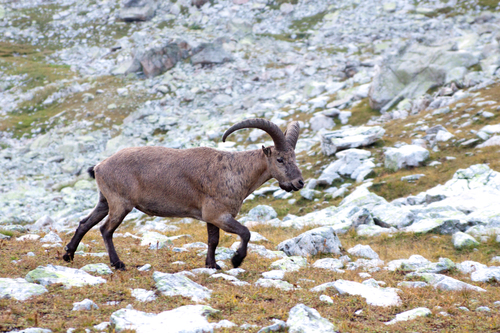
They have large, narrow bodies and short legs.
Coat Coloration
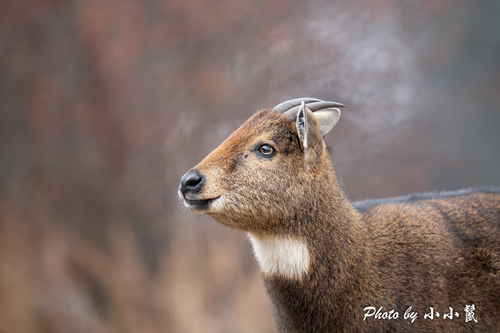
Their coat is chestnut, with a yellow underbelly and darker legs.
Horn Characteristics
Their horns are scimitar-shaped and heavily ridged; male horns measure around 70 centimeters (28 inches), while female horns are much smaller.
Sexual Dimorphism
This species is sexually dimorphic, with males being larger than females.
Habitat and Diet
West Caucasian turs inhabit rough mountainous terrain between 800 and 4,000 meters (2,600 and 13,100 feet) above sea level, where they feed mainly on grasses and leaves.
Altitude Range Shift
They were historically found at much lower altitudes, but human activity and climate change have forced them to move upward.
Current and Historical Range Size
Their current total range is approximately 4,500 square kilometers (1,700 square miles), which was much larger before the 20th century.
Pleistocene Distribution
During the Pleistocene epoch, this species ranged as far from the Caucasus as southern France.
Activity Pattern
The West Caucasian tur is nocturnal: it feeds in open areas at night and shelters during the day.
Herd Size Dynamics
In summer, they live in herds of around ten individuals, and herd sizes increase to roughly 20 individuals in winter.
Reproductive Cycle
Their mating season runs from November to January, and young (kids) are born between May and July.
Natural Predators
Known predators of West Caucasian turs include steppe wolves and lynxes; Persian leopards and Syrian brown bears may also act as predators.
Legal Hunting Status
Humans pose a risk to the species through hunting: legal hunting of West Caucasian turs occurs from August to November in Russia, while the species is fully protected in Georgia.
Illegal Poaching Drivers
Illegal poaching also occurs, targeting the animals for their meat, skin, and horns, which are used to make traditional drinking horns called Kantsi.
Natural Mortality Cause
Many West Caucasian turs also die in avalanches.
IUCN Conservation Status
The species is listed as Endangered on the IUCN Red List, with an estimated wild population of 3,000 to 4,000 individuals.
Population Decline Threats
The population continues to decline due to livestock grazing in its native habitat, poaching, and harsh winters.