About Breviceps gibbosus (Linnaeus, 1758)
Taxonomic Classification
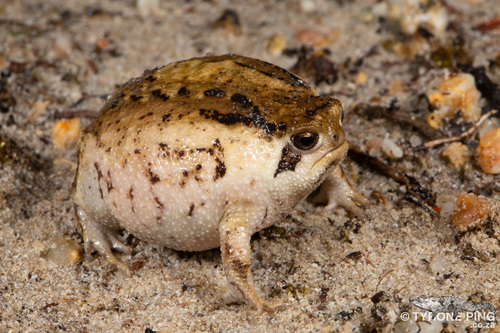
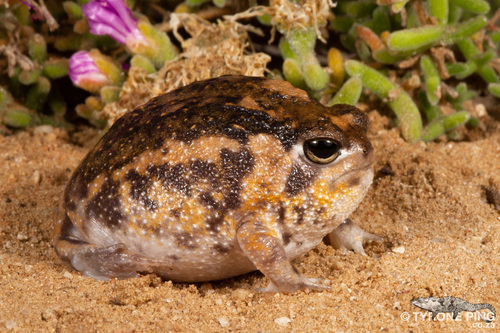
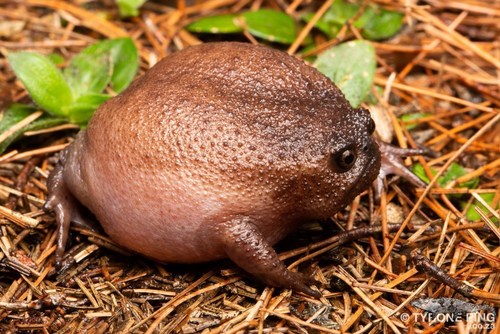
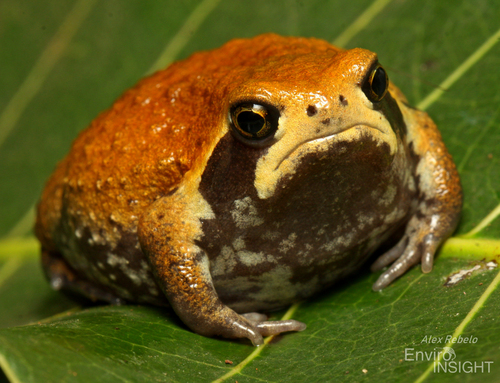
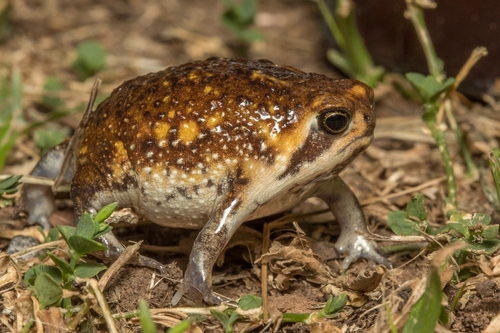
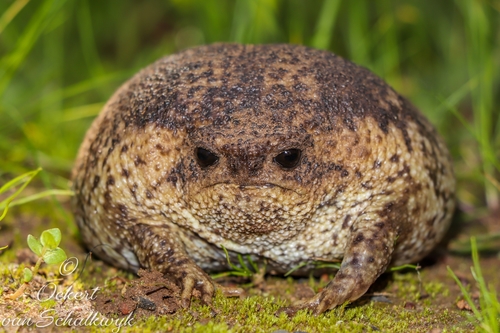
Breviceps gibbosus, commonly known as the Cape rain frog or giant rain frog, is a species of frog in the Brevicipitidae family.
Adult Size
Adult individuals of this species grow up to 45 mm in length.
Taxonomic History
It was the first African frog species to be scientifically described, named Rana gibbosa by Carl Linnaeus in 1758.
Genus Traits
It is the most common and largest species among rain frogs.
Common Name Origin
The common name "rain frog", which applies to the entire genus, comes from the belief that these frogs bring rain.
Geographic Range
This species is endemic to South Africa, where it ranges across the far southwestern Cape, from Cape Town northward to as far as Citrusdal.
Habitat Types
Within this range, it lives in Mediterranean-type shrubby vegetation including fynbos and renosterveld, as well as farm pastureland, rural gardens, and urban areas.
Threats
It adapts well to suburban gardens, but like most frog species, it is vulnerable to poisoning from herbicides and predation from domestic pets.
Fynbos Biome Endemism
It is endemic to Fynbos biomes in the southwestern part of South Africa's Western Cape, where these ecosystems consist of lush natural shrubland, forests, and woodlands.
Fynbos Biome Distribution
Fynbos biomes occur in both the Southern and Western Cape of South Africa.
Burrowing Behavior
Cape rain frogs live underground in burrows they build themselves, by burrowing backward while scooping sand to cover themselves.
Modified Habitat Presence
They can also be found in developed areas including agricultural land, pine plantations, and residential gardens.
Emergence Pattern
The Cape rain frog spends most of its life underground, and usually only emerges just before rain, which is the origin of its common name.
Additional Active Conditions
It may also be seen during misty or damp conditions.
Ecosystem Role
Its burrowing behavior contributes to aerating soil in the southwestern Cape.
Diet
It feeds on worms and small insects.
Defense Behavior
When alarmed, it makes itself appear larger by swallowing air, which led to its Afrikaans common name blaasoppie.
Burrowing Morphology
As a burrowing frog species, it has thick, muscular legs that allow it to dig burrows for shelter.
Breeding and Swimming Traits
This species does not need open water to breed, and in fact cannot swim—it will drown if placed in water.