About Asystasia gangetica (L.) T.Anderson
Growth Form
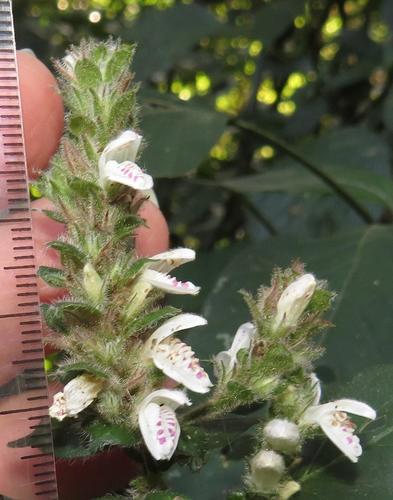
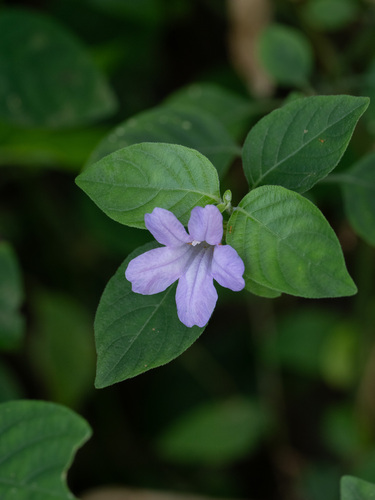
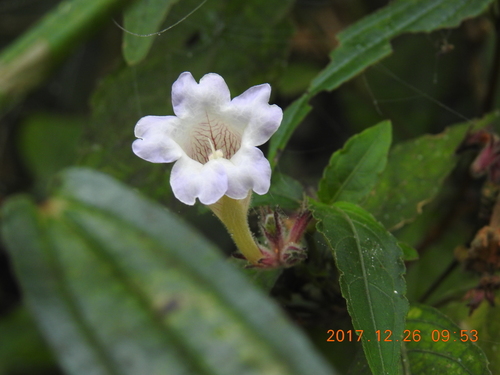
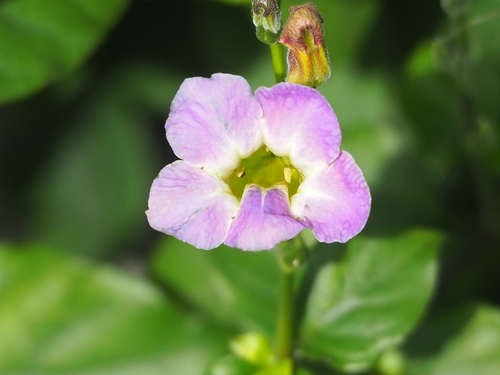
Asystasia gangetica (L.) T.Anderson is a spreading herb or groundcover that grows up to 600 mm tall, and can reach 1 m in height when supported.
Stem and Leaf Characteristics
Its stems root easily at the nodes, and it produces simple, oppositely arranged leaves.
Fruit Characteristics
Its fruit is an explosive capsule that is green when young, and turns brown as it dries after opening.
Global Distribution
This species is widespread across the Old World Tropics, and has been introduced and naturalized in tropical regions of the Americas and Hawaii.
Australian Regulatory Status
Both of its subspecies have been introduced to Australia; here, A. g. micrantha is included on the National Environmental Alert List, and any sighting of this subspecies must be reported.
Subspecies Native Ranges
The original native ranges of the two subspecies are unclear, but it is likely that A. g. gangetica was originally limited to Asia, while A. g. micrantha was originally limited to Africa.
Seed Germination Traits
A 1947 study by Ernest Akamine found that the seeds of this species have no apparent dormancy mechanisms, and germinate freely as long as 135 days after being expelled from the parent plant.
Reproductive Timing
Flower production can start as early as 40 days after germination, and seed development begins 57 days after germination, allowing the plant to produce viable seed in as little as 72 days.
Seed Dispersal Mechanism
When seeds ripen, they are expelled explosively through hooked retinacula.
African Edible Use
In some regions of Africa, the leaves of Asystasia gangetica are eaten as a vegetable, and the plant is used as an herbal remedy in traditional African medicine.
Medicinal Use in Nigeria
Across many parts of Nigeria, its leaves are used in traditional African medicine to manage asthma.
Ornamental Use
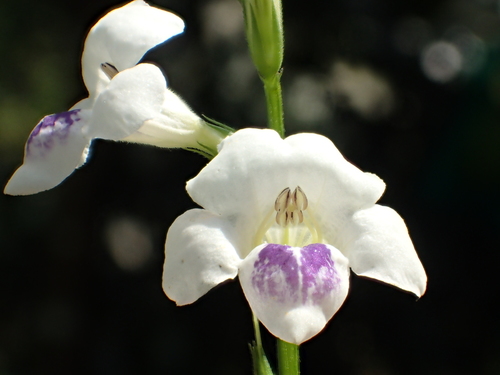
This plant is also grown as an ornamental plant.