About Astragalus lentiginosus Douglas ex Hook.
Scientific Name
Its scientific name is Astragalus lentiginosus Douglas ex Hook.
Growth Form
Astragalus lentiginosus is a perennial herb, and occasionally grows as an annual.
Leaf Characteristics
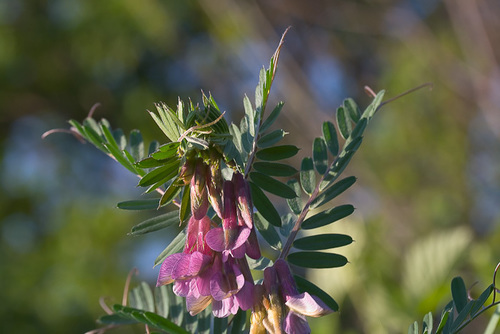
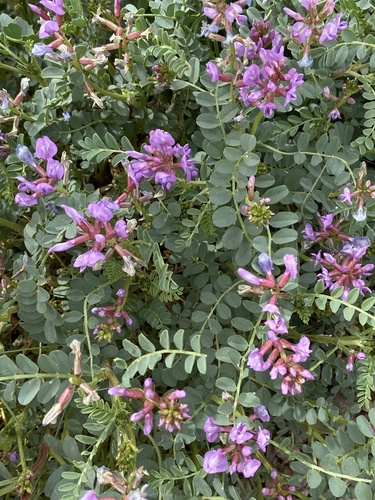
Its leaves reach up to 15 centimetres (5.9 inches) long, divided into many pairs of small leaflets.
Plant Habit and Texture
The plant grows in a form ranging from prostrate to erect, and its texture ranges from quite woolly to nearly hairless.
Inflorescence and Flower Traits
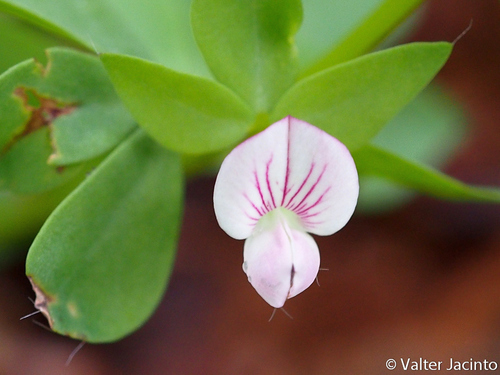
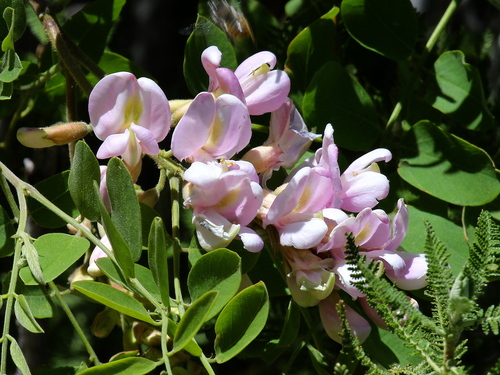
The inflorescence holds up to 50 pea-like flowers that may be purplish, whitish, or a mix of both colors.
Legume Pod Features
Most varieties share one unifying characteristic: an inflated, beaked legume pod with a groove along its side.
Pod Maturation and Seed Dispersal
When the pod dries, it develops a papery texture, and splits open starting at the beak to release its seeds.
Etymology of Species Epithet
The species epithet lentiginosus refers to the red mottling commonly found on the pods, which resembles freckles.
Bloom Period
The plant's bloom period falls between the months of March, April, and May.
Species Distribution Range
As a whole species, Astragalus lentiginosus is distributed throughout the Great Basin of North America, ranging west from the Rocky Mountains to the California Coast Ranges, south into Mexico, and north to British Columbia.
Variety Habitat General
Its varieties are largely limited to marginal habitats such as disturbed sites in the arid regions of the continent.
Edaphic Specialist Varieties
This group also contains a number of edaphic specialists that grow at desert seeps, which frequently have high levels of calcium carbonate.
Commercial Cultivation Status
Astragalus lentiginosus is currently not cultivated commercially.
Propagation Method
Propagation from seed requires scarification of the seed coat to allow the embryo to absorb water.
Zuni Traditional Use of Pods
The Zuni people eat the pods of the diphysus variety fresh, boiled, or salted.
Pod Storage for Winter Use
These pods are also dried and stored for use during the winter.