About Astragalus australis (L.) Lam.
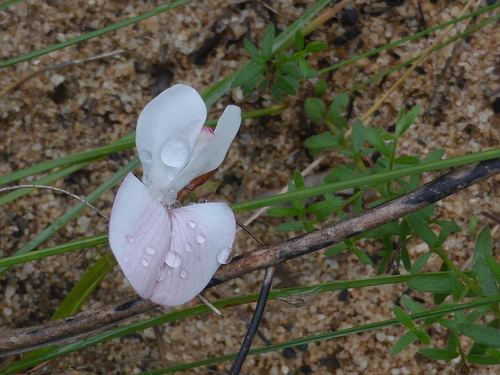
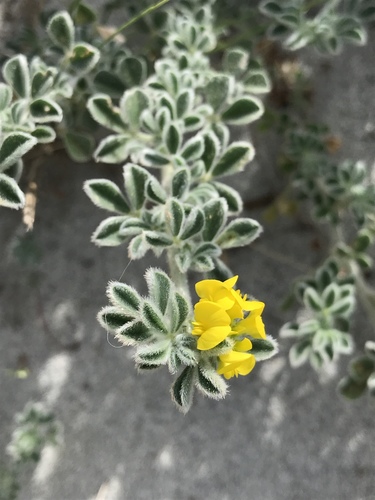
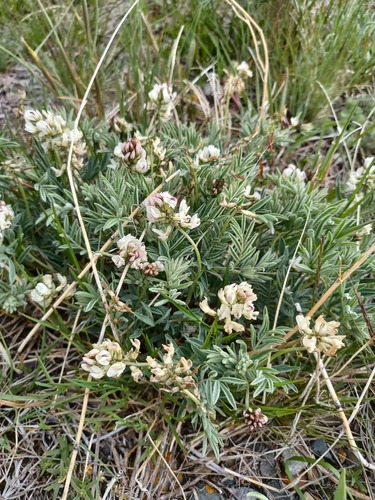
Scientific name: Astragalus australis (L.) Lam. This plant grows spreading and erect stems that reach up to 25 centimeters tall, growing from a caudex. Its stems are covered in a dense coat of hairs, and its leaves are arranged alternately along the stems. Each full leaf is 3 to 4 centimeters long, and is made up of multiple small leaflets only a few millimeters in length. The leaflets are covered in ashy gray hairs. The inflorescence is a raceme that holds up to 15 flowers; the flower petals may be greenish, white, purplish, or pinkish, with green veins and purple tips. The fruit is a hairless legume pod that matures to a deep red color, and grows up to 2.6 centimeters long. This pod contains up to 12 seeds. In terms of ecology, this species grows as far north as Banks Island in the Canadian Arctic Archipelago. It grows at the seaside, most often on gravelly ridges. It was historically used as food by the Cree and Stone peoples of North America. One recognized variety is the rare var. olympicus, commonly called Cotton's milkvetch, which is endemic to the Olympic Mountains of Washington in the United States. This variety grows on subalpine mountain ridges with sparse vegetation.