About Apium graveolens L.
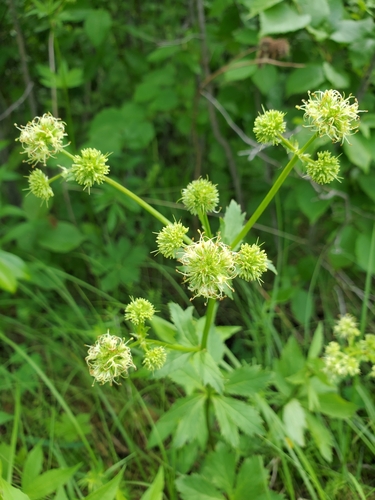
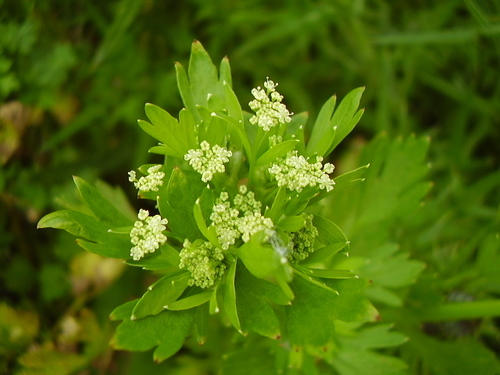
Apium graveolens L., commonly known as celery, has pinnate to bipinnate leaves with rhombic leaflets that measure 3–6 centimetres (1–2+1⁄2 inches) long and 2–4 cm (1–1+1⁄2 in) broad. Its flowers are creamy-white, 2–3 mm (3⁄32–1⁄8 in) in diameter, and borne in dense compound umbels. The seeds are broad ovoid to globose, with a length and width of 1.5–2 mm (1⁄16–5⁄64 in). Modern celery cultivars have been selected to develop either solid petioles (leaf stalks) or a large hypocotyl. A celery stalk easily splits into visible "strings", which are bundles of angular collenchyma cells located outside the vascular bundles. Celery is grown from seed, sown either in a hot bed or in the open garden depending on the season. After one or two thinnings and transplantings, once plants reach a height of 15–20 cm (6–8 in), they are planted out in deep trenches to facilitate blanching, a process done by earthing up soil to exclude light from the stems. Self-blanching celery varieties, which do not require earthing up, currently dominate both commercial and amateur celery growing markets. Celery was first cultivated as a winter and early spring vegetable. It was used as a cleansing traditional medicine to treat scurvy, which developed from winter diets that relied on salted meats and lacked fresh produce. By the 19th century, the celery growing season in England had been extended to run from early September to late April. In North America, commercial celery production is dominated by the 'Pascal' celery cultivar. Home gardeners can grow a range of cultivars, most of which differ from the wild species mainly by having stouter leaf stems. These cultivated varieties are divided into two classes: white and red celery. Celery stalks grow in tight, straight, parallel bunches, and are typically sold fresh in this form, without roots and with only a small amount of green leaf remaining. The stalks can be eaten raw, used as an ingredient in salads, or added as a flavouring to soups, stews, and pot roasts.