All Species Plantae

Sanicula marilandica L. is a plant in the Apiaceae family, order Apiales, kingdom Plantae. Not known to be toxic.

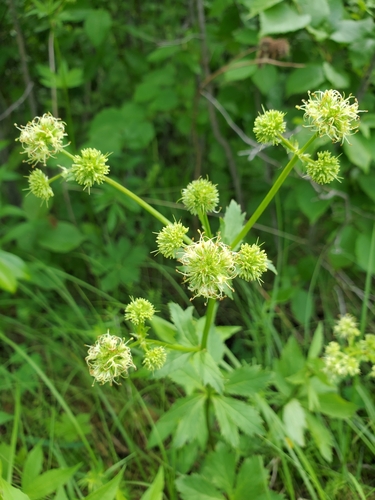
Photo of Sanicula marilandica L. (Sanicula marilandica L.)
Plantae

Sanicula marilandica L.

Sanicula marilandica L.

Sanicula marilandica, or Maryland sanicle, is a widespread North American flowering plant rare in Pacific coast regions and Texas.

Identify with AI — Offline
Family
Genus
Sanicula
Order
Apiales
Class
Magnoliopsida
⚠️ Toxicity Note

Insufficient toxicity evidence; avoid direct contact and ingestion.

About Sanicula marilandica L.

Common Names and Distribution

Sanicula marilandica, commonly known as Maryland sanicle or Maryland black snakeroot, is a flowering plant widespread across North America. It is rare along the continent's Pacific coast and in Texas, and is listed as Sensitive in Washington state.

Leaf Structure

Its leaves have deeply incised lobes that all radiate from the same point. There is no fixed number of leaflets per leaf, but leaves most commonly have 5–7.

Height and Flowering

The plant itself is not tall, but its fruiting stalk can reach up to 2 feet in height, bearing tiny green flowers in spring.

Fruit Characteristics

In fall, this stalk holds dehiscent fruit that splits open, and the fruit bears small spines.
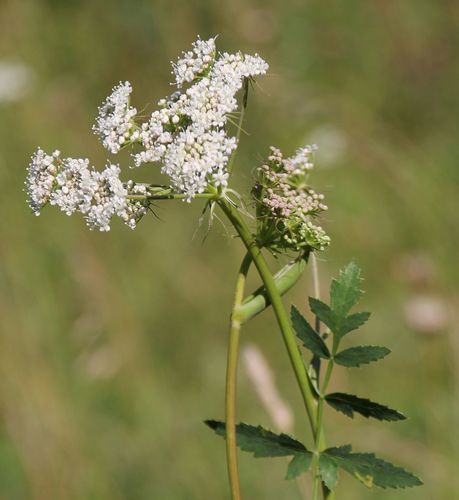
Photo: (c) Varina Crisfield, some rights reserved (CC BY-NC), uploaded by Varina Crisfield · cc-by-nc

Taxonomy

Plantae Tracheophyta Magnoliopsida Apiales Apiaceae Sanicula

More from Apiaceae

Sources: GBIF, iNaturalist, Wikipedia, NCBI Taxonomy · Disclaimer

Start Exploring Nature Today

Download iNature for free. 10 identifications on us. No account needed. No credit card required.

App Store
Scan to download from App Store

Scan with iPhone camera

Google Play
Scan to download from Google Play

Scan with Android camera