About Anarrhinum bellidifolium (L.) Willd.
Classification and Habitat
Anarrhinum bellidifolium, commonly known as Daisy-leaved Toadflax, is a perennial herbaceous plant belonging to the Plantaginaceae family. Native to the Mediterranean region, it thrives in rocky areas, meadows, and along roadsides.
Size and Growth Form
The plant reaches a height of 30-60 cm and has a bushy appearance, with numerous stems arising from the base.
Leaf Features
Its leaves are lance-shaped with serrated edges and are arranged alternately along the stem.
Flower Appearance
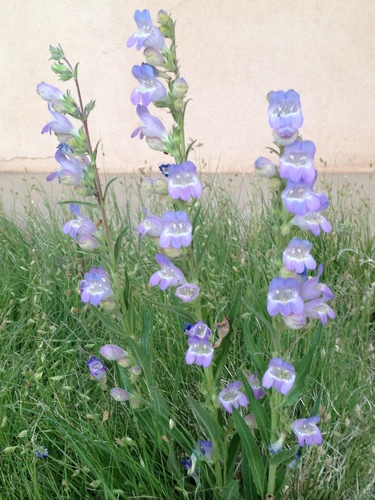
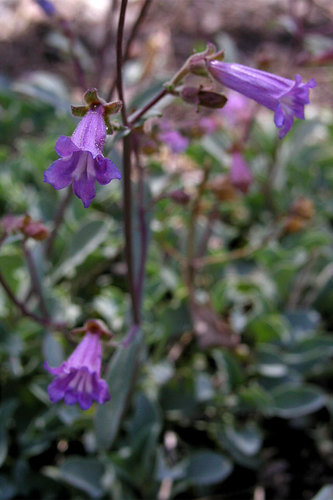
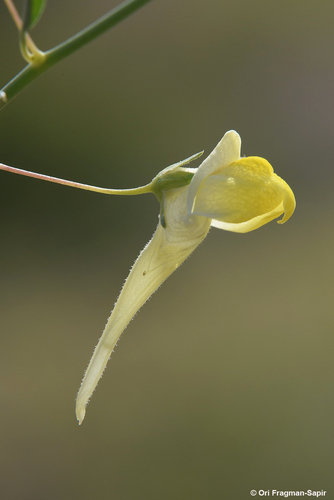
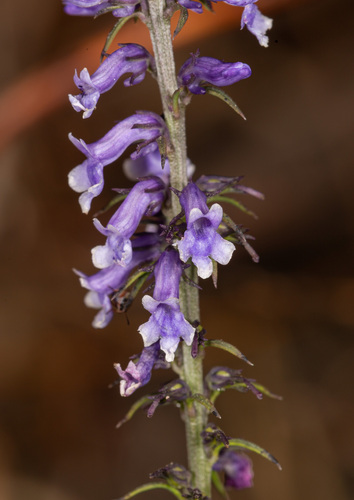
The flowers of Anarrhinum bellidifolium are small and tubular with five petals, giving them a daisy-like appearance.
Blooming Period
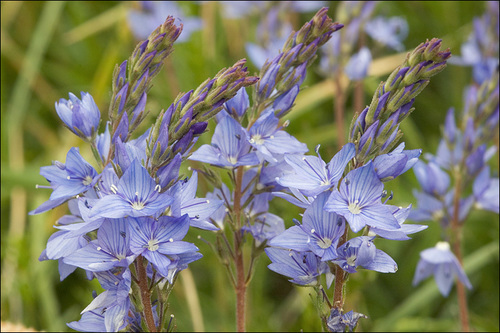
They bloom from late spring through summer in shades of pink or purple on long spikes that rise above the foliage.
Ornamental Use
Known for its attractive flowers, this plant is an excellent choice for garden borders or rock gardens.
Growing Conditions
Anarrhinum bellidifolium prefers well-drained soil and thrives in full sun or partial shade. Once established, it can tolerate drought conditions.
Maintenance Tips
The plant requires minimal maintenance, but regular deadheading can promote continuous blooming throughout the growing season.
Traditional Medicinal Applications
In traditional medicine, Anarrhinum bellidifolium has been used as an anti-inflammatory agent for treating respiratory ailments such as bronchitis and asthma.
Active Compounds
This is due to its high content of flavonoids, which possess anti-inflammatory properties.
Ornamental Value
Overall, Anarrhinum bellidifolium is a visually appealing perennial herbaceous plant that adds color and interest to any garden setting.
Dual Benefit Summary
Additionally, it offers medicinal benefits through its traditional use in herbal medicine practices.