About Amphilophium buccinatorium (DC.) L.G.Lohmann
Classification and Origin
Amphilophium buccinatorium, commonly known as the trumpet vine or cow itch vine, is a fast-growing woody vine belonging to the Bignoniaceae family. Native to Central and South America, it has been introduced as an ornamental plant in many regions worldwide.
Stem and Growth Habit
This vine features a thick stem, capable of growing up to 10 cm in diameter, and can climb to heights of 30 meters with the assistance of aerial roots.
Leaf Features
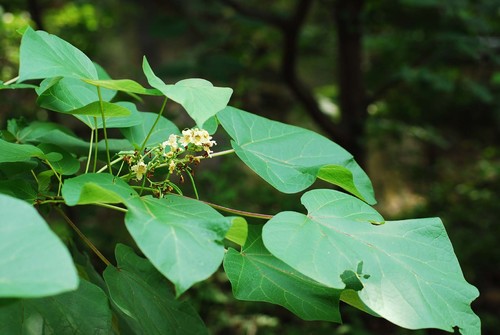
The leaves are compound, with ovate leaflets measuring about 5–10 cm in length and having serrated edges.
Flower Traits
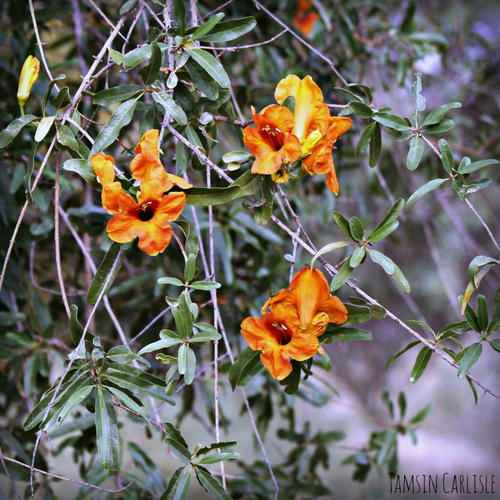
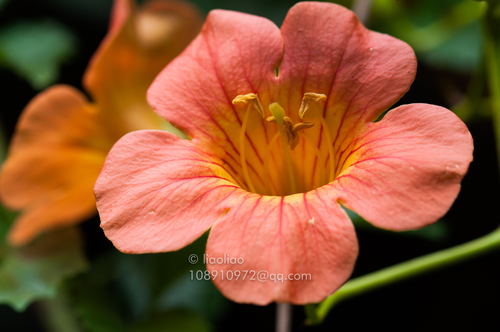
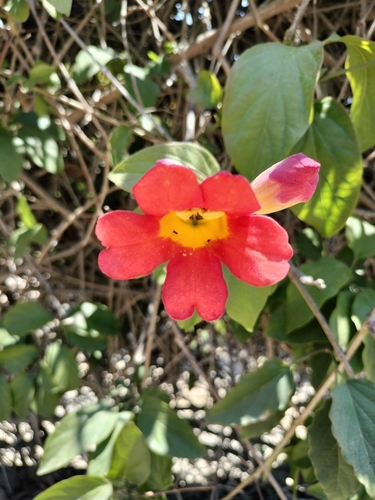
The trumpet-shaped flowers are orange-red and bloom in clusters at the ends of branches during the summer.
Light and Soil Preferences
Amphilophium buccinatorium prefers full sun or partial shade and well-drained soil, although it can accommodate a variety of soil types, including sandy, loamy, and clay soils.
Water Requirements
Once established, it is drought-tolerant but requires regular watering during its first year of growth.
Ecological Roles
The plant's bright flowers attract hummingbirds, which feed on the nectar, while its leaves serve as food for caterpillars of certain butterfly species, such as the Gulf Fritillary (Agraulis vanillae).
Invasive Risks
While Amphilophium buccinatorium is prized for its beautiful flowers and rapid growth, it should be planted with caution. If not properly managed, it can become invasive, especially near natural areas where it may outcompete native plants for resources such as light, water, and nutrients.