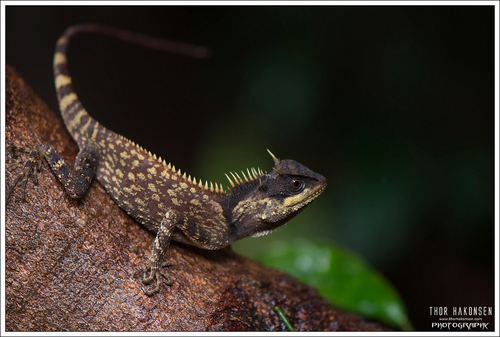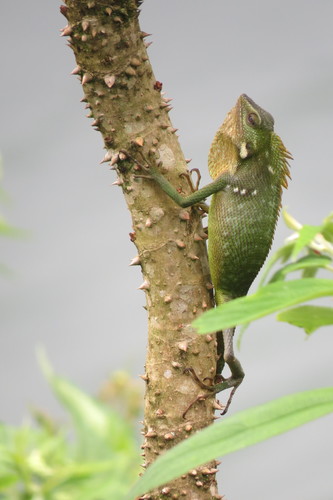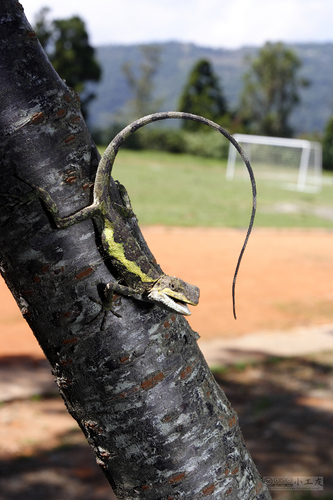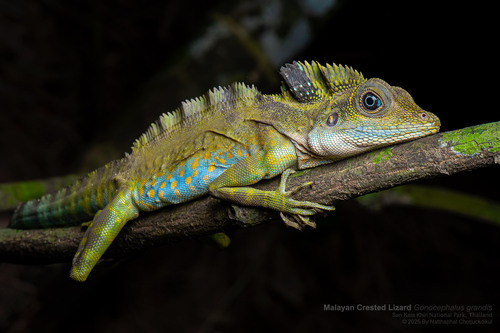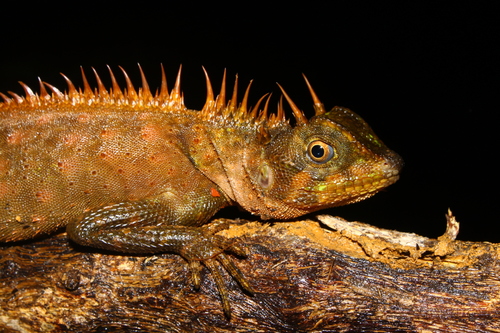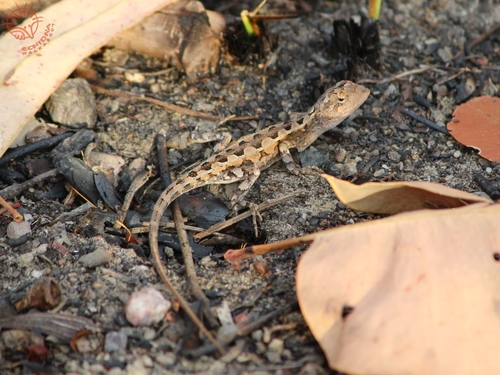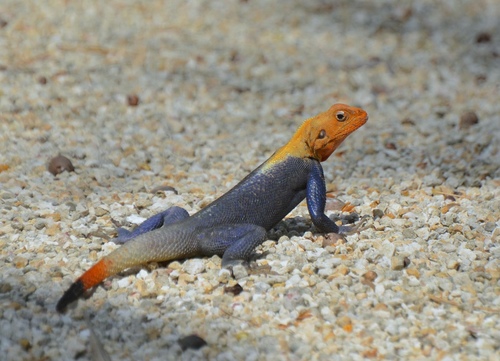
About Agama picticauda (Peters, 1877)
Nomenclature and Taxonomy
Agama picticauda, also commonly known as Peter's rock agama and the African redhead agama, is a species of lizard belonging to the family Agamidae.
Native Range
The species is native to West Africa, where it occurs from Mauritania in the west to Nigeria in the east.
Initial Florida Introduction
A. picticauda was first introduced to Florida in 1976 through the pet trade, first colonizing Homestead and other areas of Miami-Dade County.
Florida Southward Spread
Since its introduction, it has spread to other parts of South Florida, including the Florida Keys.
Other Introduced Populations
Introduced populations of A. picticauda also exist in La Réunion and the Comoros, while single specimens have been reported from Cape Verde, Madeira, and Madagascar.
2020 Florida Population Growth
Sightings of the species in South Florida increased rapidly at the end of 2020, which indicates the local population has also grown rapidly in recent years.
2024 Florida Northward Expansion
According to the Florida Fish and Wildlife Conservation Commission, further sightings recorded in 2024 confirm the population has expanded northward into Central Florida, reaching as far north as Volusia County.
Caribbean Invasion Risk
Multiple Caribbean-based biologists and conservationists have drafted an awareness letter that highlights the threat A. picticauda would pose to reptiles across the Caribbean Lesser Antilles if the species becomes established there.
Caribbean Sightings 2022–2023
Several individual specimens were sighted in the British Virgin Islands and The Bahamas in 2022 and 2023.
2025 Saint Barthélemy Interception
In March 2025, a shipment arriving on the island of Saint Barthélemy contained several A. picticauda individuals, all of which were captured shortly after arrival.
Mosquito-Borne Disease Risk Hypothesis
A 2024 study from the University of Florida suggests this invasive lizard, now found in over 20 Florida counties, may indirectly increase the risk of mosquito-borne diseases such as West Nile virus.
Prey Interaction Mechanism
Because A. picticauda preys on the also invasive brown anole, it reduces the number of anoles available for mosquitoes to feed on.
Disease Transmission Pathway
This shift in available prey may lead mosquitoes to seek out humans for blood meals, potentially increasing the spread of these diseases.