About Actaea spicata L.
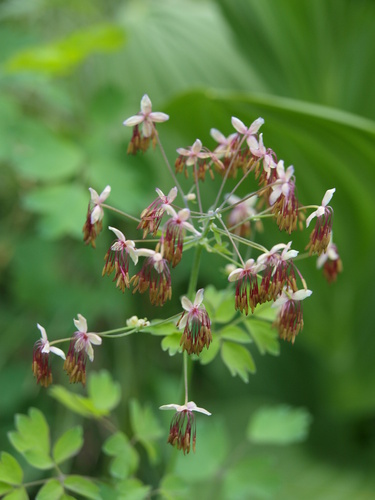
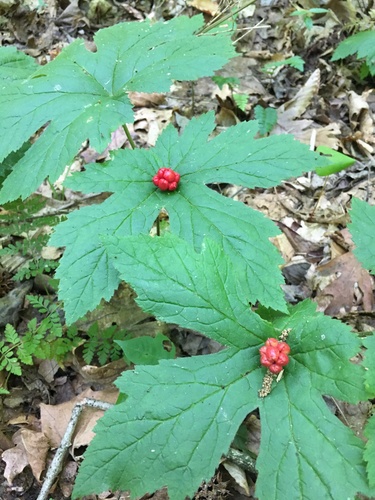
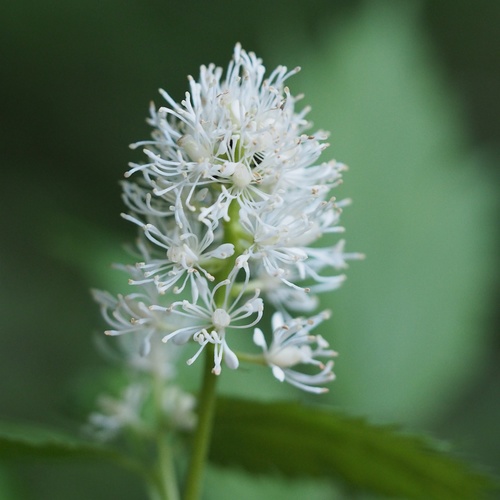
Actaea spicata L. is an herbaceous perennial plant that reaches up to 65 cm (2 ft 2 in) in height. Its basal leaves are large, and are either biternate or bipinnate. Its leaflets have more-or-less distinct toothed edges. This species produces white flowers with 3 to 6 petaloid sepals, arranged in an erect raceme. Its fruit is a berry that turns black when ripe, measuring 10–13 mm (0.4–0.5 in) across. Fruits persist for an average of 57.5 days, and each fruit contains an average of 11.4 seeds. On average, fruits are 90.7% water by weight. In their dry weight, fruits contain 2.4% carbohydrates — which may be the lowest recorded for any European fleshy fruit — and 1.0% lipids. In its ecology, granivorous rodents sometimes remove the fruits of this plant. They consume most of the seeds but only eat a small proportion of the fruit pulp. Some seeds inevitably escape predation, so these rodents also act as seed dispersers for Actaea spicata. Actaea spicata is cultivated as an ornamental plant. It is toxic if ingested, and is also an irritant, so it requires careful handling. It has been used as a homeopathic remedy to treat arthritis and joint pain.