About Acacia elata A.Cunn. ex Benth.
Scientific Name
Acacia elata A.Cunn. ex Benth.
Description
Growth Habit
Acacia elata, commonly known as cedar wattle, is a tree that typically grows to a height of 7–20 m (23–66 ft), with a diameter at breast height of up to 0.6 m (2 ft 0 in).
Bark and Branchlets
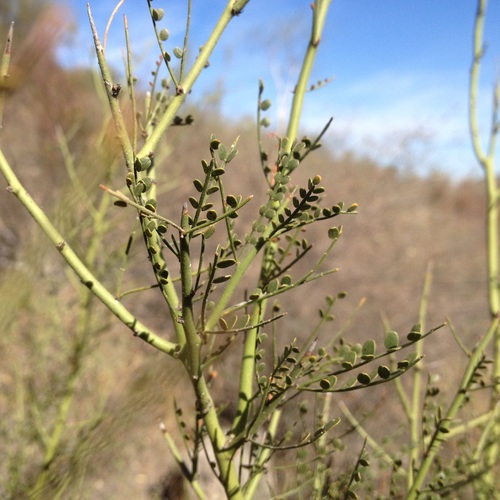
Its bark is dark brown to black and deeply fissured at the base of the tree. Branchlets are terete, and covered in soft hairs when young.
Leaf Structure
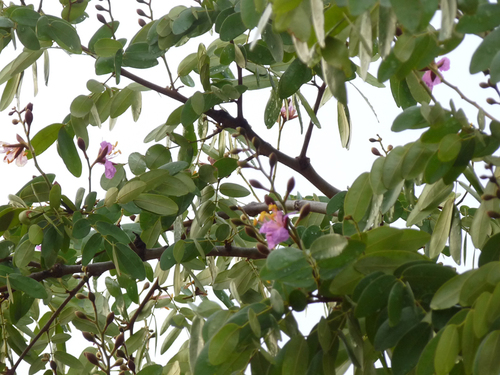
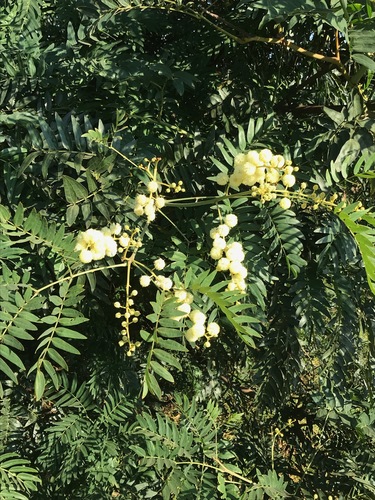
The leaves are bipinnate, with an 80–170 mm (3.1–6.7 in) long rachis borne on a 25–75 mm (0.98–2.95 in) long petiole. The upper leaf surface is dark green, while the lower surface is much paler.
Pinnae and Pinnules
Leaves have 2 to 7 pairs of pinnae that are 100–230 mm (3.9–9.1 in) long, each pinna bearing 8 to 22 pairs of lance-shaped to narrowly lance-shaped pinnules that are 20–60 mm (0.79–2.36 in) long.
Leaf Glands
A prominent, dark brown gland sits below the lowest pinna, and there is sometimes an additional gland at the base of the uppermost pinnae.
Flower Arrangement
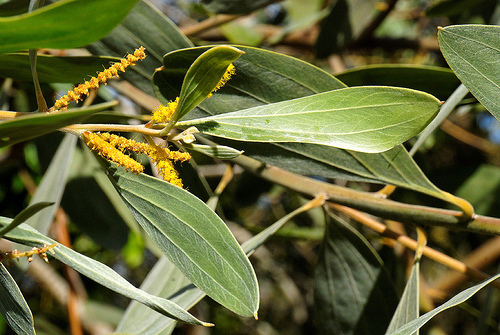
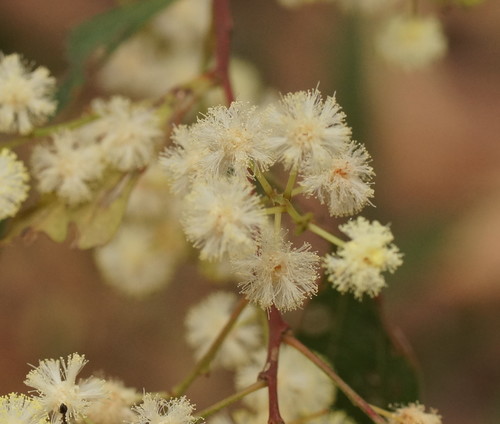
Flowers are borne in spherical heads arranged in panicles or racemes, on peduncles 2–11 mm (0.079–0.433 in) long.
Flower Characteristics
Each flower head is 7–10 mm (0.28–0.39 in) in diameter and holds 30 to 55 pale yellow to cream-coloured flowers.
Seed Pod Texture
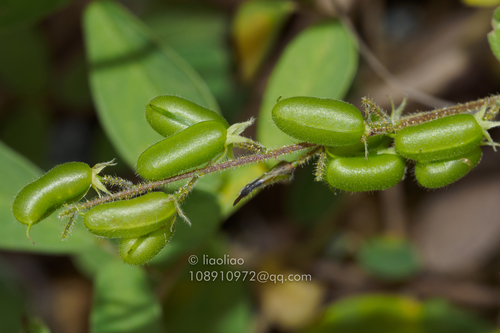
Seed pods are more or less straight, more or less flat, and range from firmly papery to leathery in texture.
Seed Pod Size and Pubescence
They are 40–175 mm (1.6–6.9 in) long and 9–15 mm (0.35–0.59 in) wide, and are densely covered in minute yellow hairs when young.
Distribution and habitat
Native Range
Cedar wattle is endemic to the coast and tablelands of New South Wales, Australia, occurring between the Orara River and the Budawang Range.
Native Habitat
It grows in tall open forest and rainforest, often along streams, in deep sandy soils.
Weed Status in Western Australia
This species sometimes escapes from cultivation, and is considered a weed in the wetter Warren and Jarrah Forest regions of south-western Western Australia, where it grows in loamy lateritic soils.
Additional Naturalised Ranges
It has also become naturalised in other parts of Australia, including Queensland, the Australian Capital Territory, and parts of Victoria.
Uses
Cultivation Suitability
Acacia elata is fast-growing, long-lived, and suitable for cultivation in parks and large gardens.
Wood Uses
It has been used for fuelwood, and has potential uses in carpentry and wood turning.