How to Identify Oleaceae

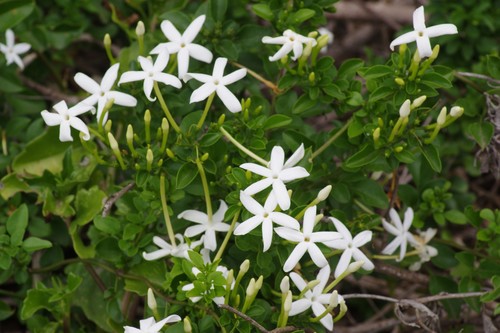
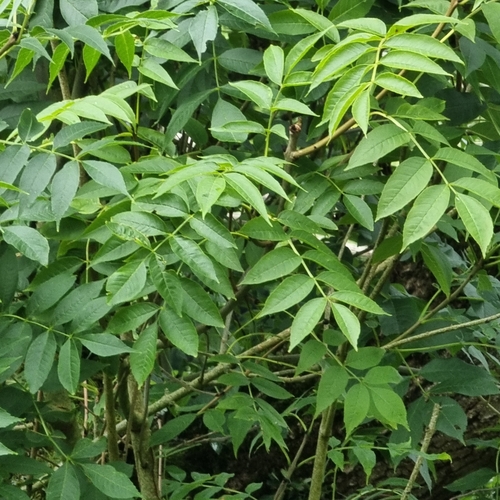
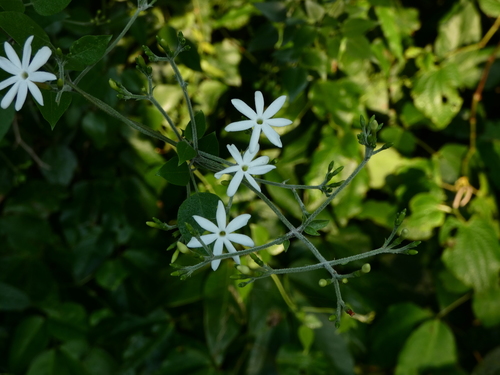
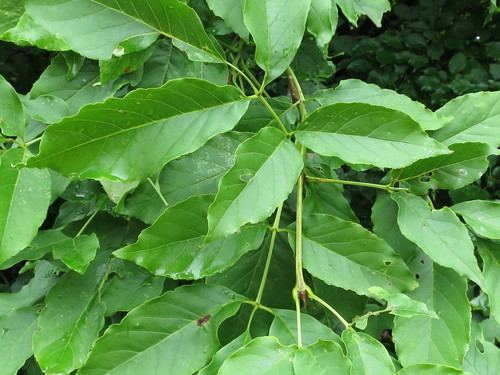
Oleaceae is a plant family in the Plantae kingdom, order Lamiales, class Magnoliopsida. The family contains 100 accepted species worldwide. Some species in this family are toxic — exercise caution when handling unknown specimens.

Key Identification Features

For instant identification in the field, use the iNature app — AI-powered, works offline.
Representative Oleaceae Species

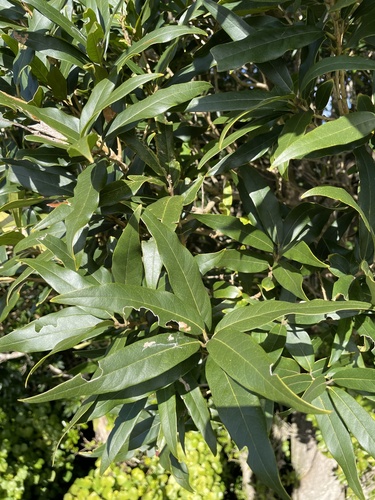
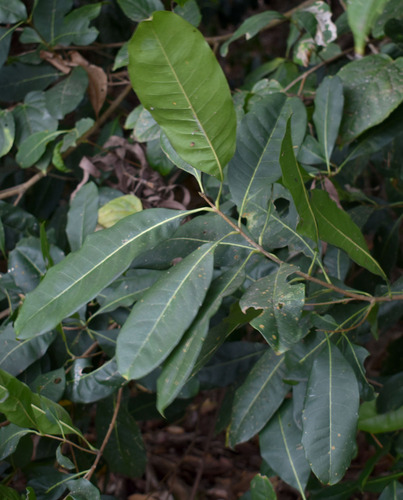
How to identify Chionanthus ramiflorus Roxb.

Chionanthus ramiflorus Roxb.

Chionanthus ramiflorus Roxb.

Chionanthus ramiflorus is an evergreen shrub or tree native to Asia, Oceania, an…

How to identify Nestegis cunninghamii (Hook.f.) L.A.S.Johnson

Nestegis cunninghamii (Hook.f.) L.A.S.Johnson

Nestegis cunninghamii (Hook.f.) L.A.S.Johnson

Black maire (Nestegis cunninghamii) is a large New Zealand native tree now restr…

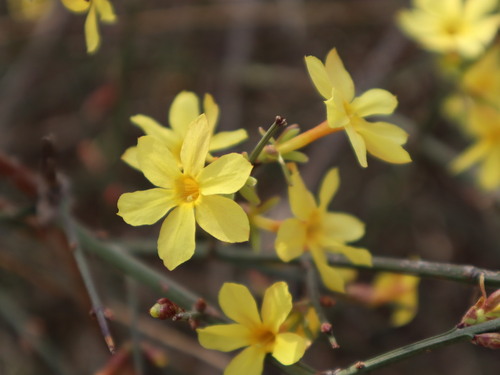
How to identify Jasminum nudiflorum Lindl.

Jasminum nudiflorum Lindl.

Jasminum nudiflorum Lindl.

Jasminum nudiflorum (winter jasmine) is a winter-flowering shrub native to China…

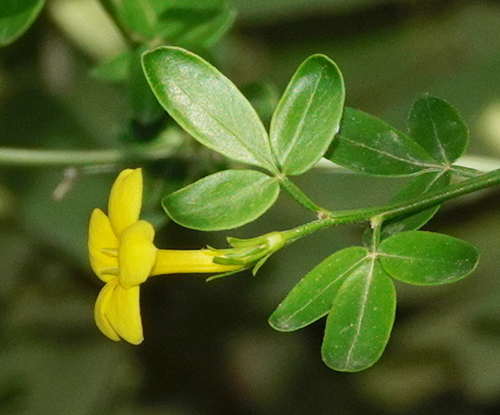
How to identify Chrysojasminum fruticans (L.) Banfi

Chrysojasminum fruticans (L.) Banfi

Chrysojasminum fruticans (L.) Banfi

Chrysojasminum fruticans, wild or common yellow jasmine, is a semi-evergreen Med…

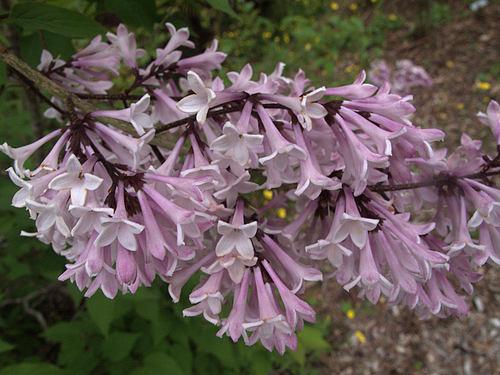
How to identify Syringa pubescens subsp. pubescens

Syringa pubescens subsp. pubescens

Syringa pubescens subsp. pubescens

Syringa pubescens is a deciduous flowering lilac shrub native to Korea and China…

How to identify Jasminum angulare Vahl

Jasminum angulare Vahl

Jasminum angulare Vahl

Jasminum angulare is a South African evergreen flowering jasmine, scented white …

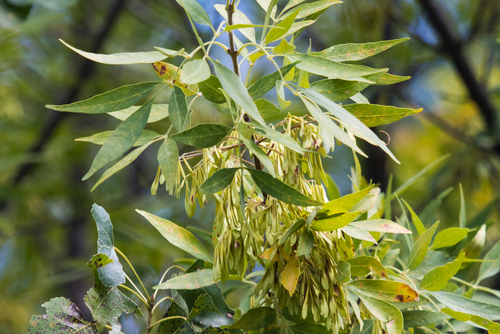
How to identify Fraxinus excelsior L.

Fraxinus excelsior L.

Fraxinus excelsior L.

Fraxinus excelsior, European ash, is a large deciduous tree native to Europe and…

How to identify Jasminum fluminense Vell.

Jasminum fluminense Vell.

Jasminum fluminense Vell.

Jasminum fluminense Vell. is a vine native to Africa and Arabia that grows in se…

How to identify Fraxinus chinensis Roxb.

Fraxinus chinensis Roxb.

Fraxinus chinensis Roxb.

Fraxinus chinensis (Chinese ash) is a dioecious ash tree whose leaves are used i…

How to identify Fraxinus velutina Torr.

Fraxinus velutina Torr.

Fraxinus velutina Torr.

Fraxinus velutina Torr. is a small deciduous dioecious tree native to western No…

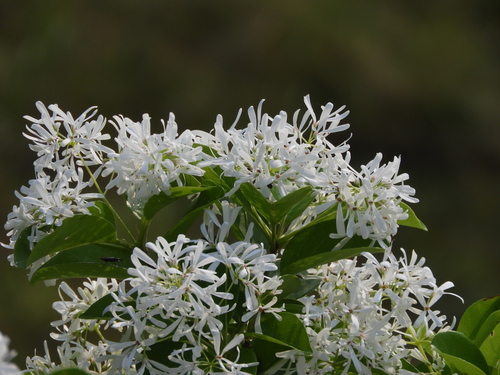
How to identify Chionanthus retusus Lindl. & Paxton

Chionanthus retusus Lindl. & Paxton

Chionanthus retusus Lindl. & Paxton

Chionanthus retusus (Chinese fringetree) is an Oleaceae flowering plant native t…

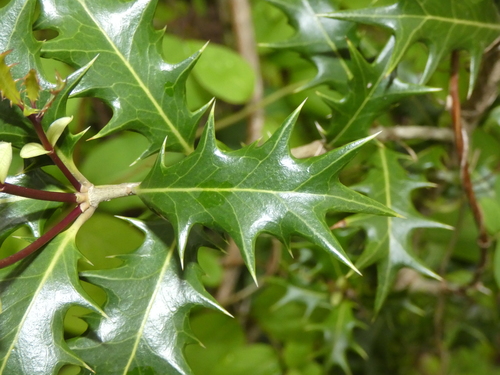
How to identify Osmanthus heterophyllus (G.Don) P.S.Green

Osmanthus heterophyllus (G.Don) P.S.Green

Osmanthus heterophyllus (G.Don) P.S.Green

Osmanthus heterophyllus is an evergreen flowering shrub or small tree widely gro…

Browse all 100 Oleaceae species →

Frequently Asked Questions

How do you identify Oleaceae?

Oleaceae plants belong to the Lamiales order in the Plantae kingdom. meyeri have noticeably distinct nearly palmate leaf venation, unlike the pinnate leaf venation found in other forms of S. For instant identification, use the iNature app — AI-powered and works offline.

What are the key characteristics of Oleaceae?

Oleaceae is classified in the order Lamiales, class Magnoliopsida, phylum Tracheophyta. The light colour and attractive grain of ash wood make it popular for modern furniture such as chairs, dining tables, doors, other architectural features, and wood flooring.

⚠️ Are any Oleaceae species poisonous?

Yes, some Oleaceae species are toxic or poisonous. Always exercise caution with unknown specimens. View poisonous Oleaceae species or browse the full poisonous species guide.

Sources: GBIF, iNaturalist, Wikipedia · Disclaimer

Start Exploring Nature Today

Download iNature for free. 10 identifications on us. No account needed. No credit card required.

App Store
Scan to download from App Store

Scan with iPhone camera

Google Play
Scan to download from Google Play

Scan with Android camera