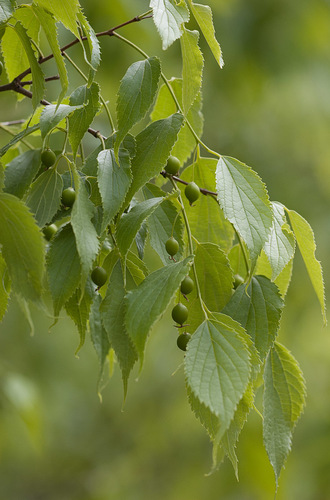
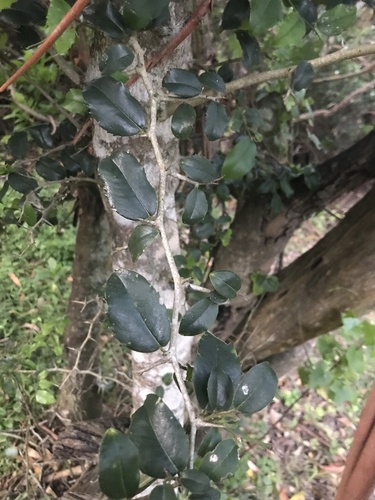
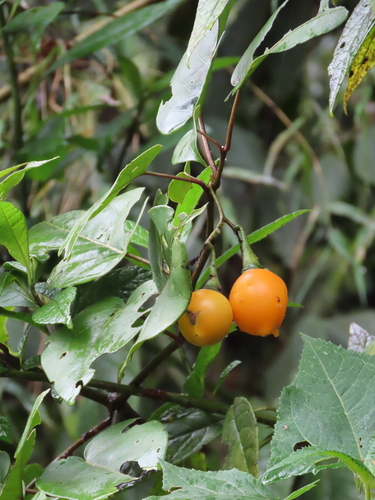
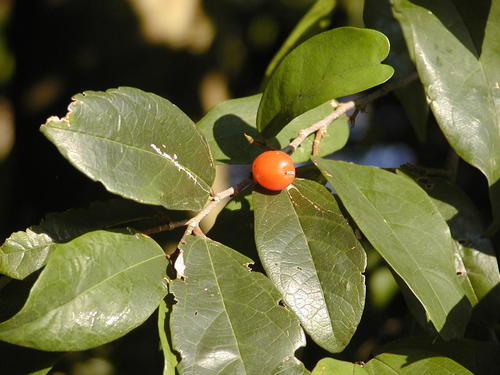
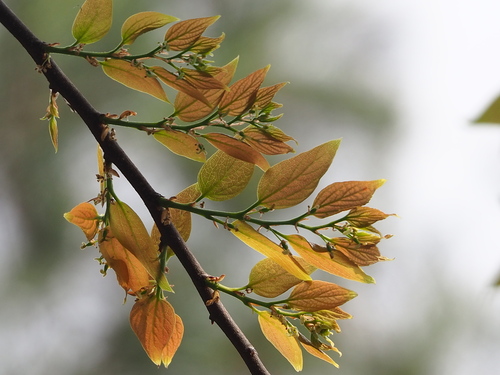
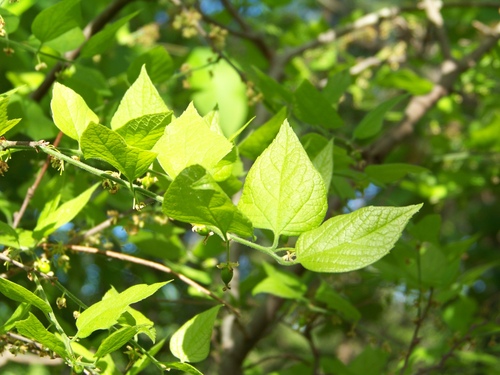
How to Identify Cannabaceae

Cannabaceae is a plant family in the Plantae kingdom, order Rosales, class Magnoliopsida. The family contains 32 accepted species worldwide. Some species in this family are toxic — exercise caution when handling unknown specimens.

Key Identification Features

For instant identification in the field, use the iNature app — AI-powered, works offline.
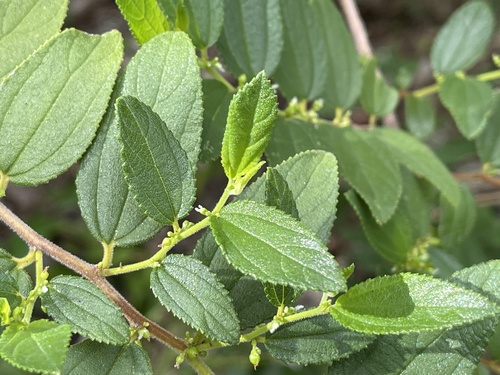
Representative Cannabaceae Species

How to identify Trema lamarckianum (Roem. & Schult.) Blume

Trema lamarckianum (Roem. & Schult.) Blume

Trema lamarckianum (Roem. & Schult.) Blume

Trema lamarckianum is a shade-intolerant pioneer shrub native to parts of the Ca…

How to identify Celtis australis L.

Celtis australis L.

Celtis australis L.

Celtis australis L. is a hardy deciduous tree with edible fruit, ornamental valu…

How to identify Chaetachme aristata Planch.

Chaetachme aristata Planch.

Chaetachme aristata Planch.

Chaetachme aristata is the only species in the monotypic genus Chaetachme, a spi…

How to identify Celtis iguanaea (Jacq.) Sarg.

Celtis iguanaea (Jacq.) Sarg.

Celtis iguanaea (Jacq.) Sarg.

Iguana hackberry (Celtis iguanaea) is a deciduous tree in genus Celtis found acr…

How to identify Celtis mildbraedii Engl.

Celtis mildbraedii Engl.

Celtis mildbraedii Engl.

Celtis mildbraedii is a rare African forest tree in the Cannabaceae family, used…

How to identify Aphananthe aspera (Thunb.) Planch.

Aphananthe aspera (Thunb.) Planch.

Aphananthe aspera (Thunb.) Planch.

Aphananthe aspera is a flowering Cannabaceae plant native to East and Southeast …

How to identify Trema tomentosum (Roxb.) H.Hara

Trema tomentosum (Roxb.) H.Hara

Trema tomentosum (Roxb.) H.Hara

Trema tomentosum is a toxic evergreen small tree or shrub native to South, East,…

⚠️ Poisonous
How to identify Humulus scandens (Lour.) Merr.

Humulus scandens (Lour.) Merr.

Humulus scandens (Lour.) Merr.

Humulus scandens, also called Japanese hop, is an Asian native invasive plant in…

How to identify Pteroceltis tatarinowii Maxim.

Pteroceltis tatarinowii Maxim.

Pteroceltis tatarinowii Maxim.

Pteroceltis tatarinowii is an endemic Chinese tree, the only extant member of Pt…

How to identify Aphananthe philippinensis Planch.

Aphananthe philippinensis Planch.

Aphananthe philippinensis Planch.

Aphananthe philippinensis (native elm) is a variable-sized tree that provides fo…

How to identify Celtis sinensis Pers.

Celtis sinensis Pers.

Celtis sinensis Pers.

Celtis sinensis Pers. is a deciduous tree native to East Asia, used in medicine …

How to identify Celtis tenuifolia Nutt.

Celtis tenuifolia Nutt.

Celtis tenuifolia Nutt.

Celtis tenuifolia Nutt., commonly dwarf hackberry, is a small slow-growing hackb…

Browse all 32 Cannabaceae species →

Frequently Asked Questions

How do you identify Cannabaceae?

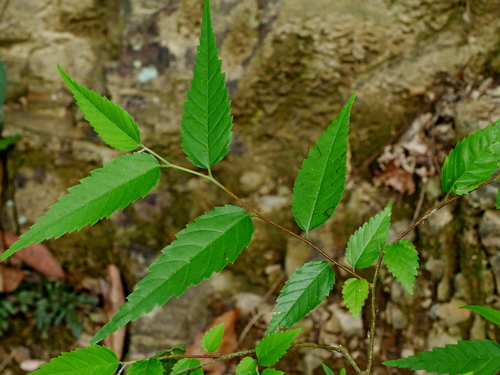
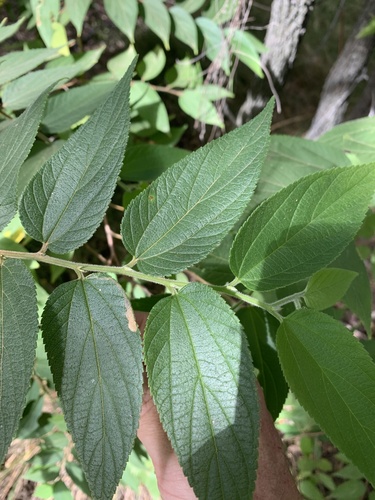
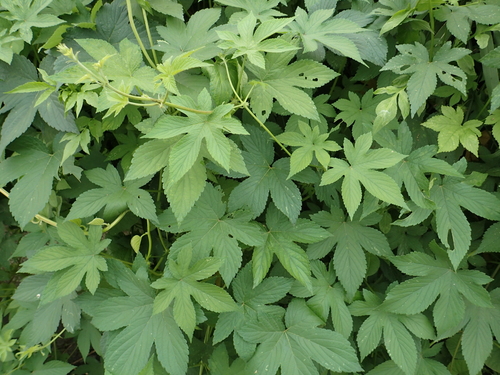
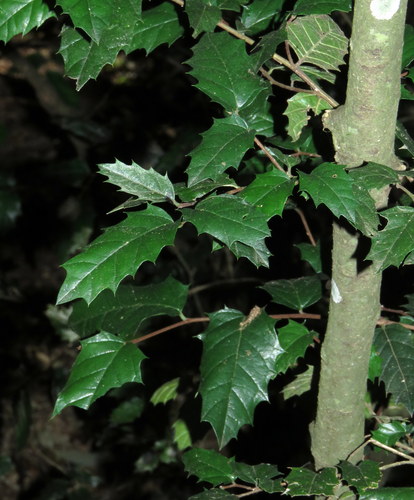
Cannabaceae plants belong to the Rosales order in the Plantae kingdom. Leaves are arranged alternately, have serrated margins, and feature three veins at their base. For instant identification, use the iNature app — AI-powered and works offline.

What are the key characteristics of Cannabaceae?

Cannabaceae is classified in the order Rosales, class Magnoliopsida, phylum Tracheophyta. Its infructescence is rarely longer than 2 cm, with bracts and bracteoles less than 1 cm long, and distinctly spinulose-ciliate.

⚠️ Are any Cannabaceae species poisonous?

Yes, some Cannabaceae species are toxic or poisonous. Always exercise caution with unknown specimens. View poisonous Cannabaceae species or browse the full poisonous species guide.

Sources: GBIF, iNaturalist, Wikipedia · Disclaimer

Start Exploring Nature Today

Download iNature for free. 10 identifications on us. No account needed. No credit card required.

Download Free on App Store