Cannabaceae
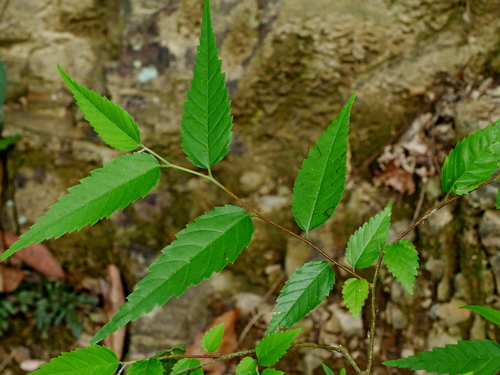
Aphananthe aspera (Thunb.) Planch.
Aphananthe aspera (Thunb.) Planch.
Aphananthe aspera is a flowering Cannabaceae plant native to East and Southeast Asia with a variety of practical uses.
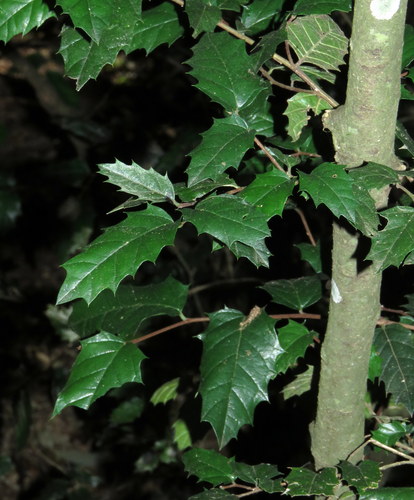
Aphananthe philippinensis Planch.
Aphananthe philippinensis Planch.
Aphananthe philippinensis (native elm) is a variable-sized tree that provides food for certain butterflies and many bird species.
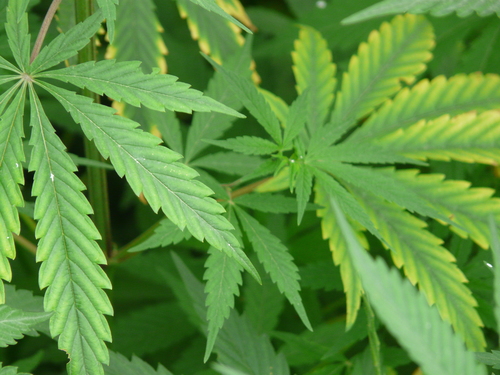
Cannabis sativa L.
Cannabis sativa L.
Cannabis sativa L. is a usually dioecious flowering plant with a range of cultivation uses and applications.
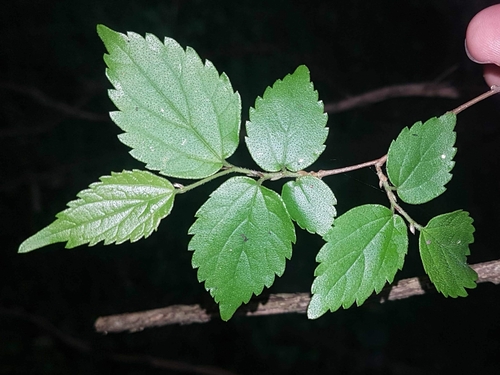
Celtis africana Burm.fil.
Celtis africana Burm.fil.
Celtis africana (white stinkwood) is a deciduous African tree popular for bird-friendly gardens.
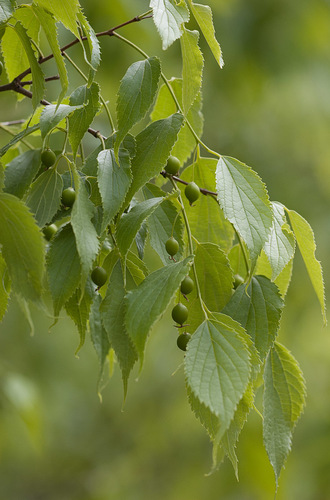
Celtis australis L.
Celtis australis L.
Celtis australis L. is a hardy deciduous tree with edible fruit, ornamental value, and multiple medicinal and practical uses.
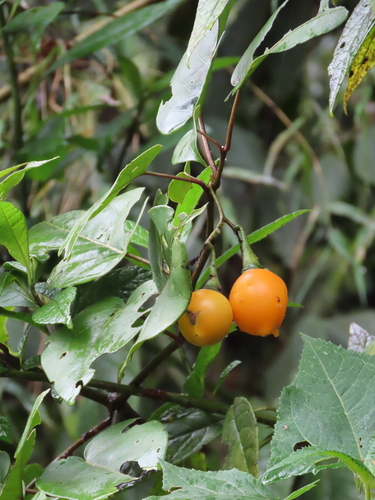
Celtis iguanaea (Jacq.) Sarg.
Celtis iguanaea (Jacq.) Sarg.
Iguana hackberry (Celtis iguanaea) is a deciduous tree in genus Celtis found across parts of the Americas and Caribbean.
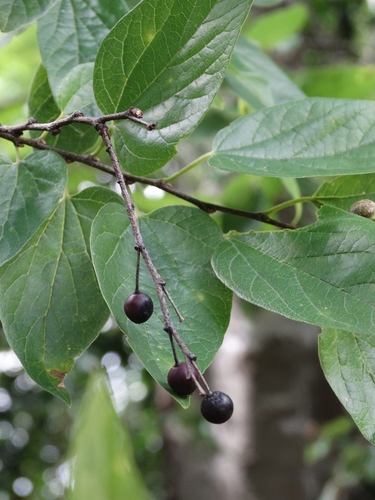
Celtis laevigata Willd.
Celtis laevigata Willd.
Celtis laevigata, commonly sugarberry, is a medium North American native tree used for lumber and as a landscape shade tree.
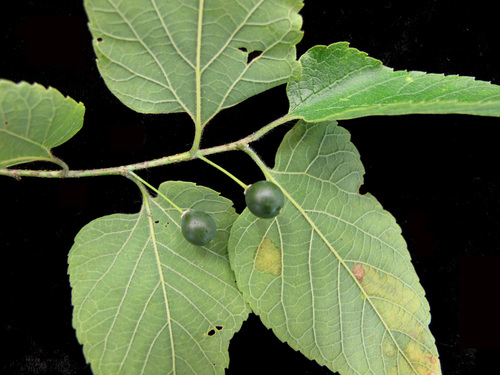
Celtis occidentalis L.
Celtis occidentalis L.
Common hackberry (Celtis occidentalis L.) is a North American native medium tree with distinctive bark, edible berries, and urban tolerance.
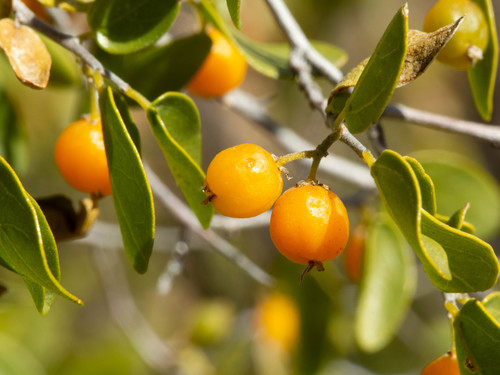
Celtis pallida Torr.
Celtis pallida Torr.
Celtis ehrenbergiana (formerly often called C. pallida) is a thorny dry-habitat hackberry native to the south-central US and Latin America.
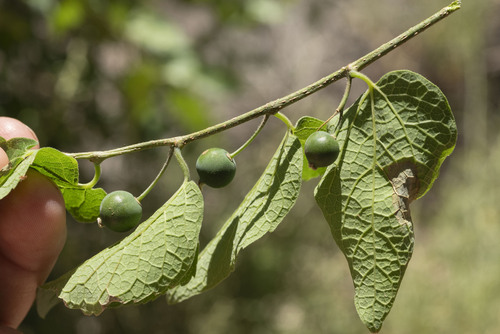
Celtis reticulata Torr.
Celtis reticulata Torr.
Celtis reticulata is a small North American hackberry tree with edible berries used by Native Americans and wildlife.
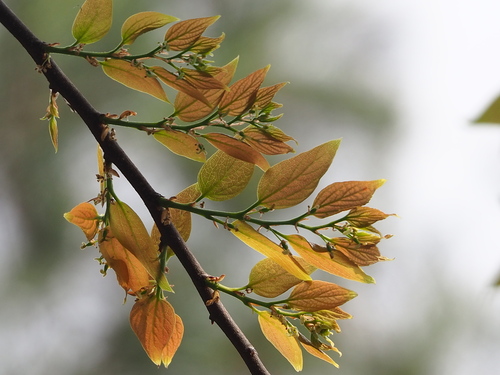
Celtis sinensis Pers.
Celtis sinensis Pers.
Celtis sinensis Pers. is a deciduous tree native to East Asia, used in medicine and gardening, and weedy in parts of eastern Australia.
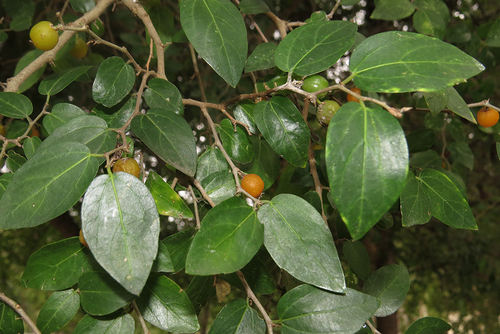
Celtis tala Gillies ex Planch.
Celtis tala Gillies ex Planch.
Celtis tala is a variable-sized tree with spiny zigzag branches, spring flowers, and small sweet edible drupes.
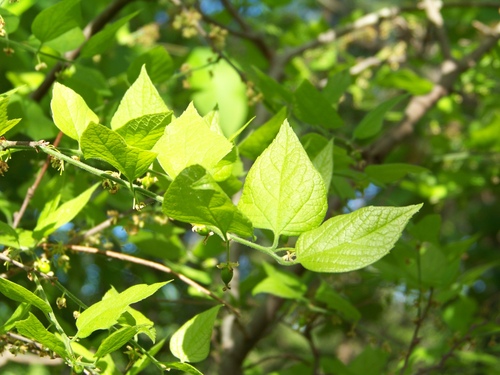
Celtis tenuifolia Nutt.
Celtis tenuifolia Nutt.
Celtis tenuifolia Nutt., commonly dwarf hackberry, is a small slow-growing hackberry with edible fruit eaten by wildlife
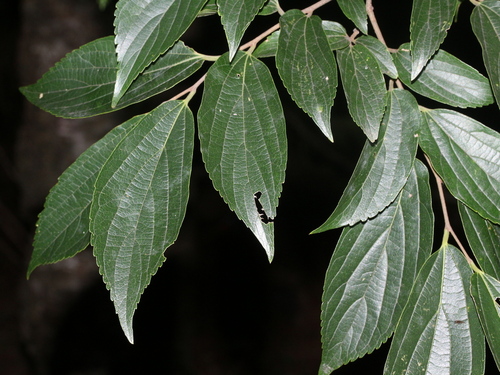
Celtis tetrandra Roxb.
Celtis tetrandra Roxb.
Celtis tetrandra, the Nilgiri elm, is a flowering hackberry species found across South and East Asia, occasionally available commercially.
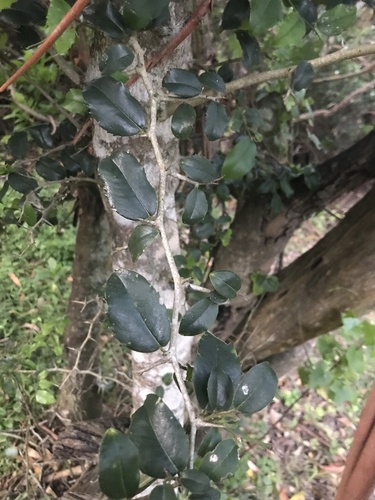
Chaetachme aristata Planch.
Chaetachme aristata Planch.
Chaetachme aristata is the only species in the monotypic genus Chaetachme, a spiny shrub or small tree native to parts of Africa.
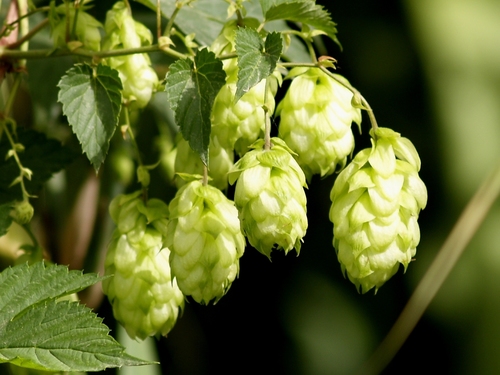
Humulus lupulus L.
Humulus lupulus L.
Humulus lupulus L., common hop, is a perennial dioecious climbing plant whose female strobili are known as hops.
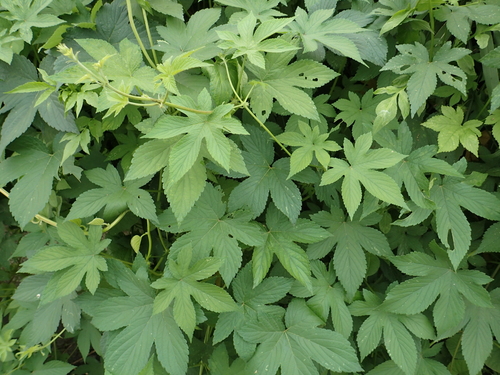
Humulus scandens (Lour.) Merr.
Humulus scandens (Lour.) Merr.
Humulus scandens, also called Japanese hop, is an Asian native invasive plant in North America with limited traditional uses.
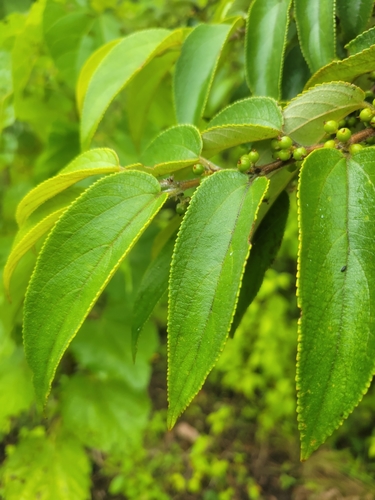
Trema micranthum (L.) Blume
Trema micranthum (L.) Blume
Trema micranthum is a fast-growing pioneer shrub or small tree whose bark is now used to make handmade amate paper in Mexico.
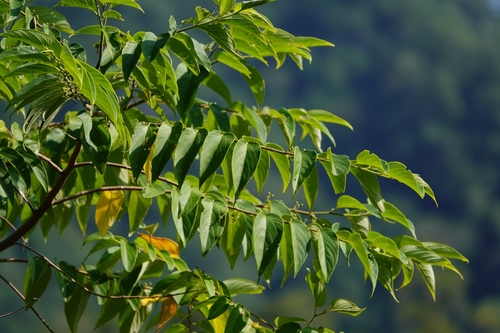
Trema orientale (L.) Blume
Trema orientale (L.) Blume
Trema orientale is a flowering Cannabaceae tree with wide Old World distribution, ecological roles, and various human uses.
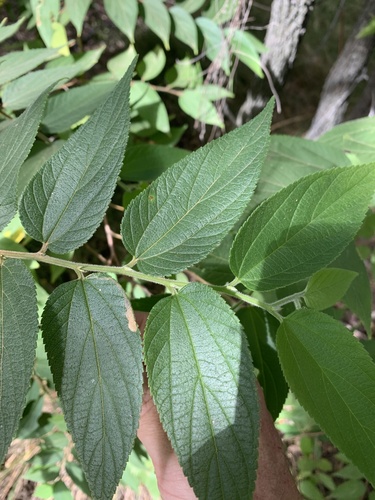
Trema tomentosum (Roxb.) H.Hara
Trema tomentosum (Roxb.) H.Hara
Trema tomentosum is a toxic evergreen small tree or shrub native to South, East, Southeast Asia and parts of Australia and the Pacific.
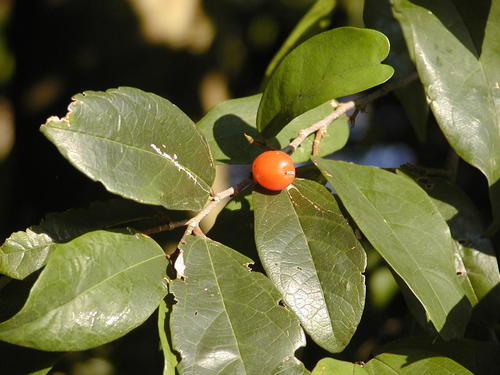
Celtis mildbraedii Engl.
Celtis mildbraedii Engl.
Celtis mildbraedii is a rare African forest tree in the Cannabaceae family, used for timber and as primate food.
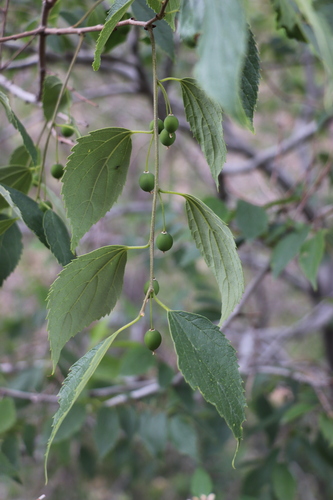
Celtis caucasica Willd.
Celtis caucasica Willd.
Celtis caucasica is a hardy nitrogen-fixing flowering plant native to Eurasia, often used as a street tree.
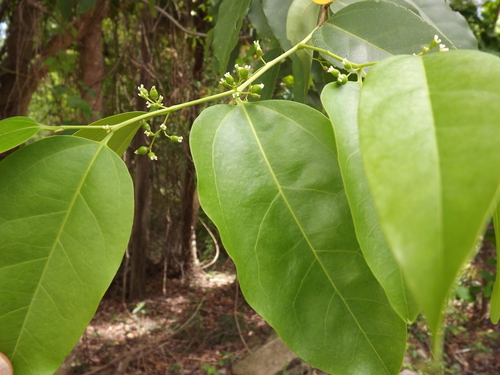
Celtis paniculata (Endl.) Planch.
Celtis paniculata (Endl.) Planch.
Celtis paniculata is a tropical Asia-Pacific tree that supports wildlife and provides usable general-purpose timber.
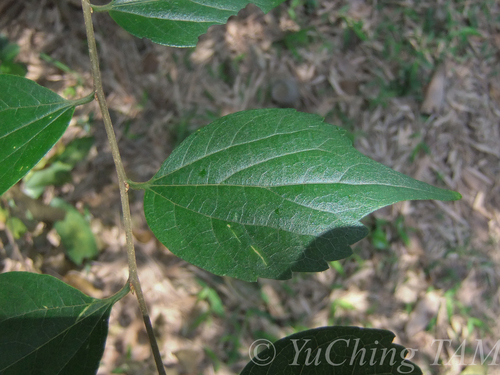
Celtis biondii Pamp.
Celtis biondii Pamp.
Celtis biondii is a deciduous hackberry species native to East Asia that favors growing on limestone.
Related Families
Start Exploring Nature Today
Download iNature for free. 10 identifications on us. No account needed. No credit card required.
Download Free on App Store
