Key Identification Features
- It has a scattered distribution, with northernmost populations genetically distinct from the southernmost.
For instant identification in the field, use the iNature app — AI-powered, works offline.
Asteraceae (Daisy Family) is a plant family in the Plantae kingdom, order Asterales, class Magnoliopsida. The family contains 3,760 accepted species worldwide. Some species in this family are toxic — exercise caution when handling unknown specimens.
For instant identification in the field, use the iNature app — AI-powered, works offline.
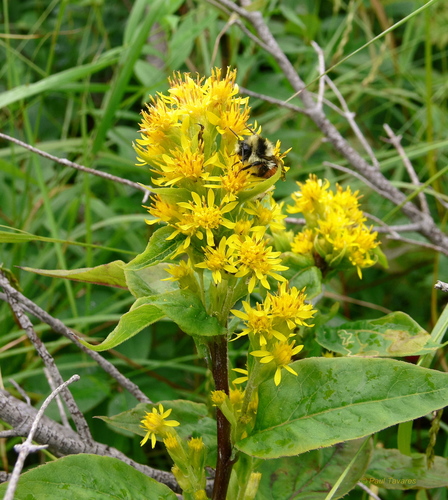
Solidago macrophylla Banks ex Pursh
Solidago macrophylla, largeleaf goldenrod, is a North American herbaceous perenn…
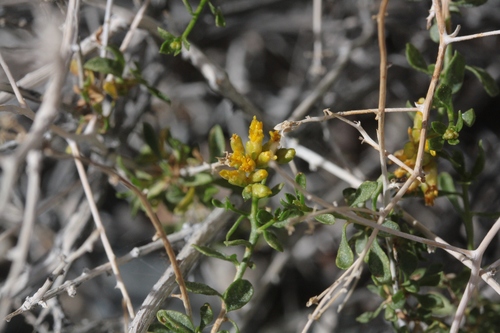
Amphipappus fremontii Torr. & A.Gray
Amphipappus fremontii, the only species in the North American Asteraceae genus A…
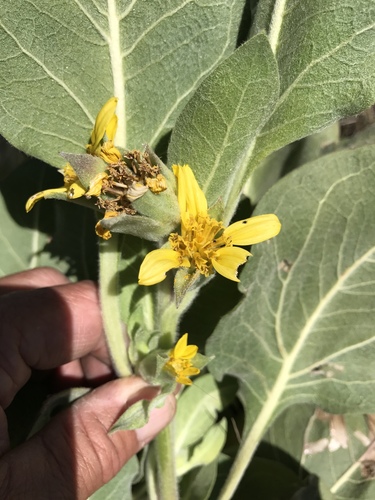
Agnorhiza ovata (Torr. & A.Gray) W.A.Weber
Agnorhiza ovata is a perennial yellow-flowered herb that grows across multiple N…
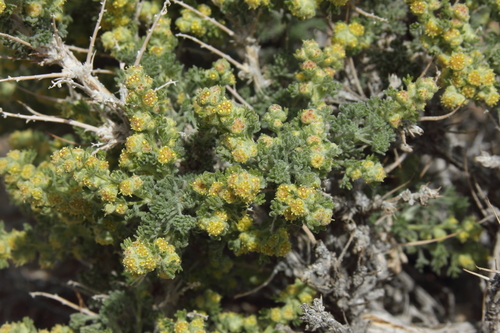
Artemisia spinescens Eaton
Artemisia spinescens Eaton is a aromatic deciduous squat shrub native to dry are…
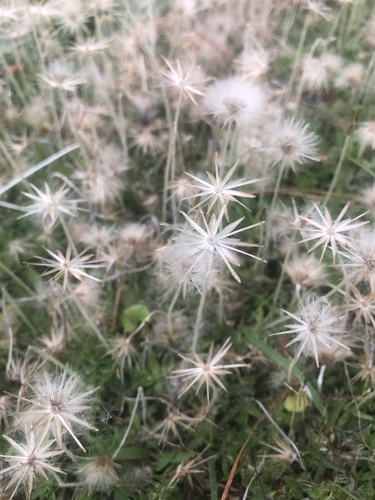
Chevreulia acuminata Less.
Chevreul's sharp lawn-weed is a plant species of the genus Chevreulia found in s…
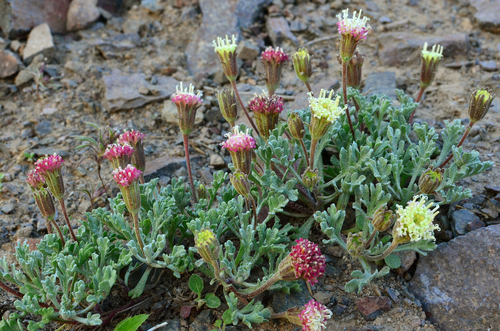
Chaenactis nevadensis (Kellogg) A.Gray
Chaenactis nevadensis is a perennial herb native to mountain habitats of Califor…
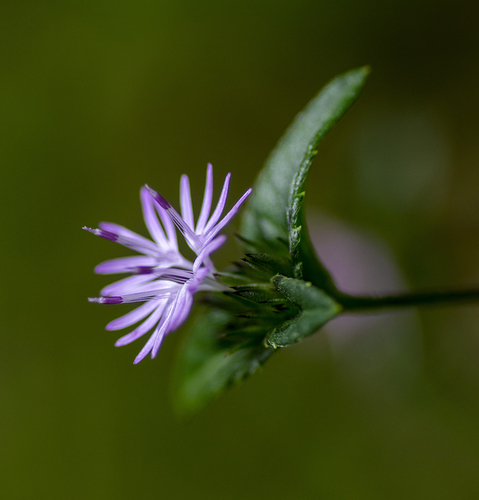
Elephantopus nudatus A.Gray
Elephantopus nudatus A.Gray is a perennial herb native to North America that gro…
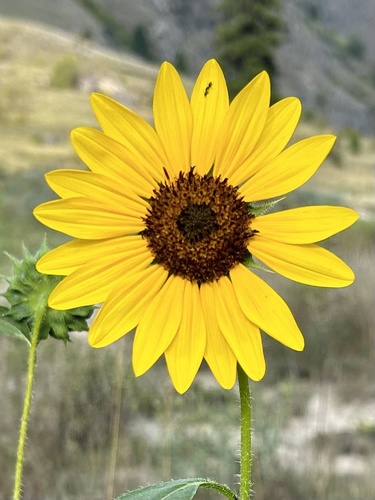
Helianthus annuus L.
Helianthus annuus L. (common sunflower) is a widely cultivated crop with many ed…
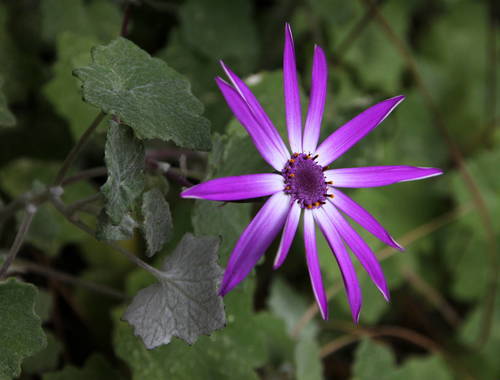
Pericallis lanata (L'Hér.) B.Nord.
Pericallis lanata is an endemic flowering plant of the Canary Islands in the Ast…
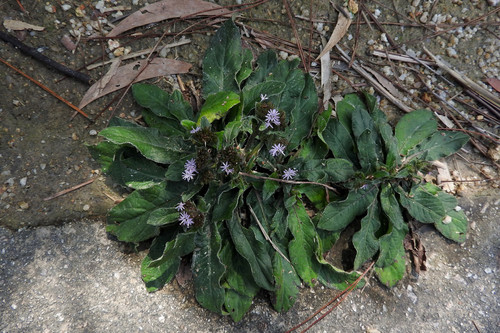
Elephantopus scaber L.
Elephantopus scaber L. is a tropical flowering aster used widely in traditional …
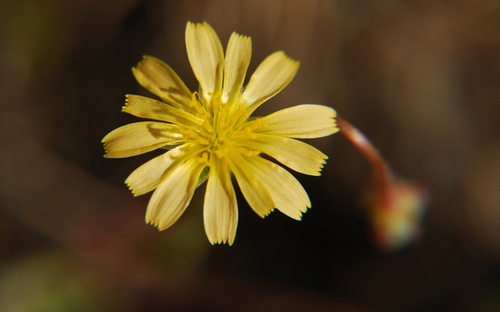
Microseris bigelovii (A.Gray) Sch.Bip.
Microseris bigelovii is an annual herb that grows in scattered North American ro…
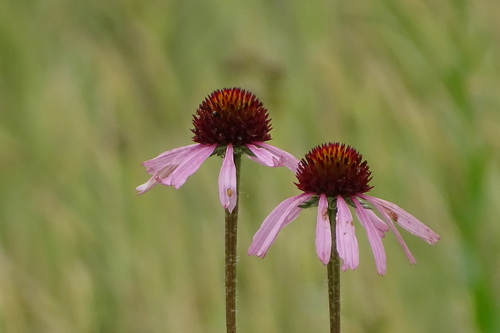
Echinacea angustifolia DC.
Echinacea angustifolia DC. is a North American prairie perennial coneflower, gro…
Asteraceae plants belong to the Asterales order in the Plantae kingdom. It has a scattered distribution, with northernmost populations genetically distinct from the southernmost. For instant identification, use the iNature app — AI-powered and works offline.
Asteraceae is classified in the order Asterales, class Magnoliopsida, phylum Tracheophyta. The family contains 3,760 accepted species worldwide.
Yes, some Asteraceae species are toxic or poisonous. Always exercise caution with unknown specimens. View poisonous Asteraceae species or browse the full poisonous species guide.
Sources: GBIF, iNaturalist, Wikipedia · Disclaimer
Download iNature for free. 10 identifications on us. No account needed. No credit card required.
Download Free on App Store
