About Ziziphus jujuba Mill.
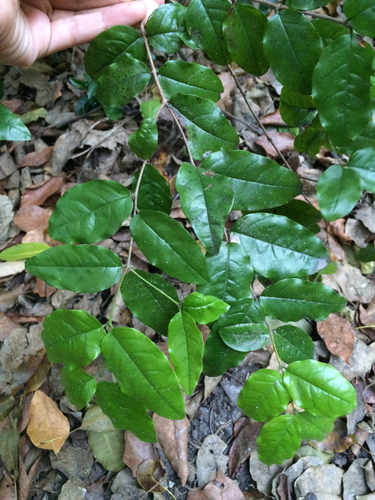
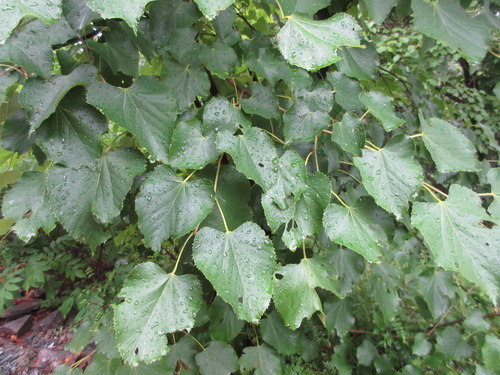
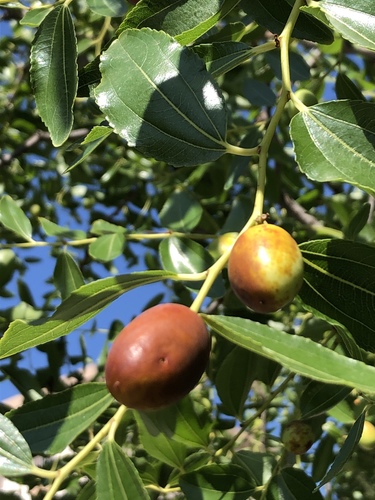
Ziziphus jujuba Mill., commonly known as jujube or Chinese jujube, is a small deciduous tree or shrub that reaches 5–10 metres (16–33 feet) in height, and usually has thorny branches. Its leaves are shiny-green, ovate-acute, 2–7 centimetres (3⁄4–2+3⁄4 inches) long and 1–3 cm (3⁄8–1+1⁄8 in) wide. They have three conspicuous veins at the base and a finely toothed margin. For leaves of trees grown in climate regions of Turkey, the average length ranges between 3.8–4.28 cm, and average width ranges between 1.79–1.98 cm.
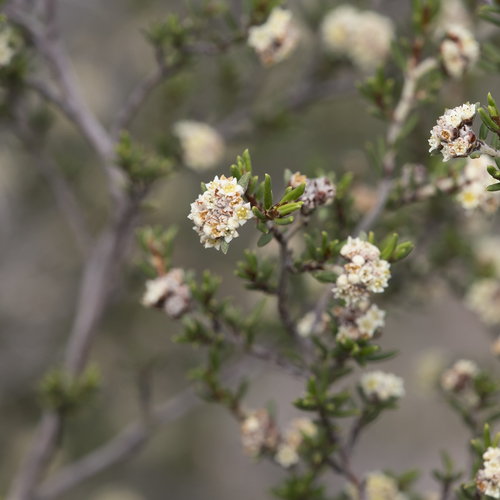
The flowers of Ziziphus jujuba are small, 5 millimetres (1⁄4 in) wide, with five inconspicuous yellowish-green petals. The fruit is an edible oval drupe, 1.5–3 cm (5⁄8–1+1⁄8 in) deep. When immature, it is smooth-green, with the consistency and taste of a low-acidity apple. As it matures, it turns brown to purplish-black, and eventually wrinkles to look like a small date. There is a single hard kernel, similar to an olive stone, that contains two seeds. Modern cultivated jujubes have kernels up to 3.8 times larger than those of wild jujubes.
Ziziphus jujuba's precise natural distribution is uncertain due to extensive cultivation. It is thought to originate from eastern Asia, specifically southern and central China, Korea, and Japan, and possibly also southwestern Asia ranging between Lebanon and northern India, as well as southeastern Europe, though it is more likely that it was introduced to those latter regions. Chinese jujube grows across a diverse range of climates from temperate to tropical, while the related Indian jujube is restricted to warmer subtropical and tropical climates. The tree tolerates a wide range of temperatures and rainfall, but it requires hot summers and sufficient water to produce acceptable fruit. Unlike most other species in the Ziziphus genus, it tolerates fairly cold winters, surviving temperatures down to about −15 °C (5 °F); for example, it is commonly cultivated in Beijing. This wide climate tolerance allows jujube to grow in mountain or desert habitats, as long as it has access to underground water throughout the summer. Z. jujube grows in cool regions of Asia, while five or more other Ziziphus species are widely distributed in milder climates to warmer deserts of Asia and Africa. This plant has been introduced to Madagascar, where it grows as an invasive species in the western part of the island, mostly threatening protected areas. It is also cultivated in parts of southern California.
In Madagascar, free-ranging zebus widely eat Ziziphus jujube, and its seeds germinate easily in zebu faeces.
Chinese jujubes have been cultivated in parts of Asia for thousands of years. Wild jujube kernels have been found at three Neolithic period sites in the Qi River basin of northern China. It may have originated in Syria, but had spread across the Mediterranean region at least 3,000 years ago. Today, it is most widely grown in China. The tree is tolerant of both drought and flooding, and can be cultivated on a large scale. Jujubes are grown as garden shrubs throughout most of the southern half of North America, and perform particularly well in parts of California. Common cultivars include Li, Lang, Sherwood, Silverhill (also called Tiger Tooth), So, Shui Men, and GA 866. Agricultural growers in Australia began planting Chinese jujubes around 2000. A family farm in Renmark, South Australia has grown the fruit since 2015. Seeka, Australia's largest producer of kiwi fruit and nashi pears, grows abundant jujube crops, and was exploring exporting some of its output as a dried product. In 2023, the company planned to expand production by planting approximately 40,000 jujube trees on its land near Shepparton, Victoria. According to AgriFutures Australia, by mid-2025 there were about 60 growers and around 50,000 planted jujube trees in Australia. Australian growers have stated that a national industry body is needed to develop export markets and increase public awareness of the fruit domestically.
The fruit and seeds of Ziziphus jujuba are used in Traditional Chinese Medicine, Traditional Korean Medicine, and Kampo Japanese medicine for many purposes. Some preliminary investigational research supports potential effects aligned with its traditional use to alleviate stress and act as a sedative. In these traditional medicine systems, it is also believed to act as an antiseptic/antifungal agent, anti-inflammatory, contraceptive, and muscle relaxer. It is also thought to help regulate blood pressure, stimulate the immune system, prevent ulcers, and aid wound healing. Jujube fruit is combined with other herbs to treat colds and influenza, and is used to protect and heal the kidneys, heart, and spleen. Jujube is also an ingredient in Chinese medicine used to moderate the effects of other herbs, preventing overpowering effects or conflicting properties. The fruit contains many beneficial compounds including vitamins and amino acids.
In Japan, the jujube (called natsume there) gave its name to a style of tea caddy used in the Japanese tea ceremony, due to the caddy's similar shape to the fruit. Starting in the 8th century and continuing through the 19th century, jujube's hard, oily wood was used alongside pear for woodcuts to print books in China and neighboring countries; as many as 2000 prints could be produced from a single jujube woodcut. The timber is sometimes used for small items such as instrument tuning pegs. Select grade jujube timber is often used for parts of traditional Asian instruments including fingerboards, pegs, rests, soundposts, ribs, and necks. It has a medium to hard density similar to luthier-grade European maple, and has excellent tonal qualities. Jujube wood is used for local folk instruments from Sri Lanka and India through to China and Korea. It is also commonly used in China for making violins and cellos for export, and is usually stained black to mimic the appearance of ebony.