About Zale obliqua Guenée, 1852
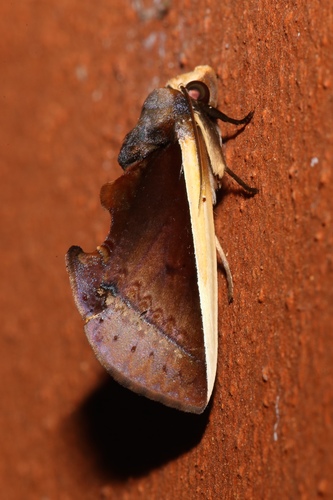
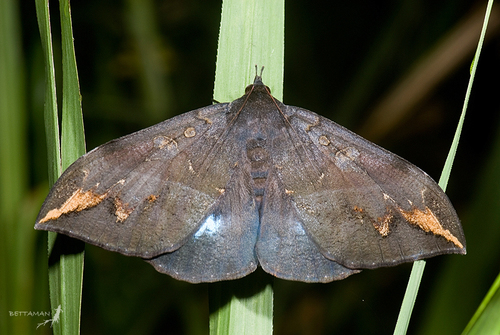
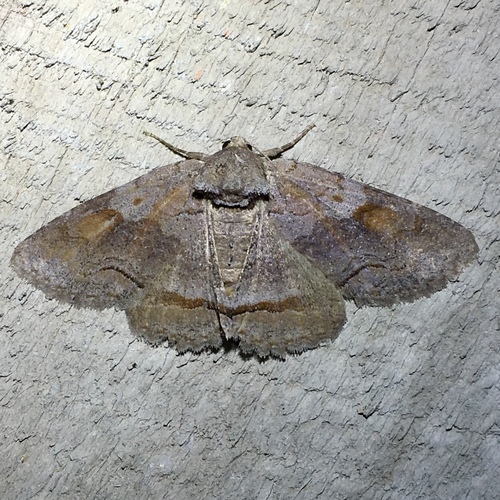
Zale obliqua, commonly known as the oblique zale, is a moth species belonging to the family Noctuidae. It was first formally described by Achille Guenée in 1852. This species inhabits barrens and pine woodlands in the United States, with a range extending from Ohio to southern Maine, and south to northern Florida, Mississippi, and Texas. Compared to related Zale species, Zale obliqua has a less contrasting wing pattern and lacks a bluish gray band. The wingspan of adult moths ranges from 36 to 40 mm. Adult flight periods vary by region: adults are on wing in late March in southeastern North Carolina, and in early summer in areas from New Jersey northward. There is one annual generation in regions north of New Jersey, while areas from eastern Maryland south to northeastern North Carolina have two generations per year. The larvae feed on pitch pine in the northern part of the species' range, and likely feed on loblolly pine, pond pine, and longleaf pine in the southern range.