About Yucca gigantea Lem.
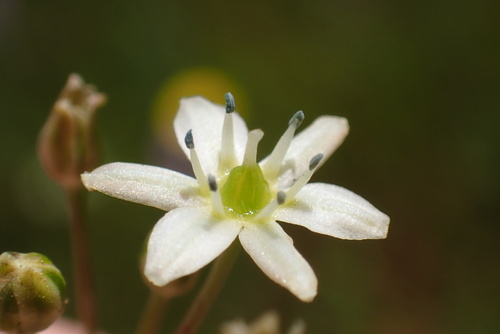
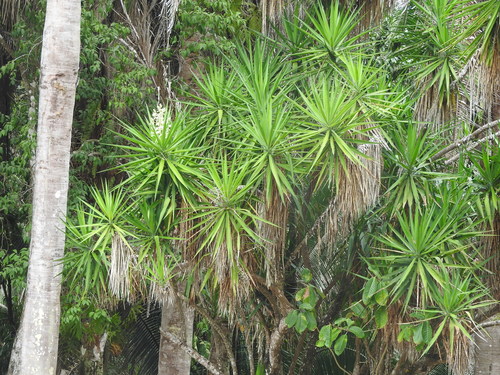
Yucca gigantea Lem. typically grows to less than 6 meters (20 feet) tall. It can develop a thick single trunk or multiple trunks, growing from a thickened, inflated, trunk-like lower base shaped similar to an elephant's foot. It produces exceptionally narrow, strap-like, spineless leaves that grow in spreading clumps and can reach up to 1.2 meters (4 feet) in length. White flowers bloom in summer: mature plants produce erect flower spikes holding hanging flowers, with the entire spike growing up to 1 meter (3 feet 3 inches) long. After flowering, the plant develops brown, fleshy, oval fruits that reach up to 2.5 centimeters (1 inch) long. Its native distribution spans Belize, Costa Rica, El Salvador, Guatemala, Honduras, Nicaragua, and eastern Mexico, including the states of Quintana Roo, Yucatán, Campeche, Tabasco, Chiapas, Veracruz, eastern Puebla, and southern Tamaulipas. It has also been reported naturalized in Puerto Rico, the Leeward Islands, and Ecuador. This species can be grown in many different soil types and is drought tolerant. Young plants are sometimes used as houseplants, though the species grows best in a hot semi-arid climate. Overwatering causes root rot, and older plants are generally the most susceptible to this issue. For this reason, young, shorter trees make better houseplants, as they are more adaptable to changing environmental conditions. It has some cold tolerance, rated for hardiness zone 9b, and is far less cold hardy than other yucca species from more northern deserts. It can be damaged by several pests, including scale, yucca moth borers, and yucca weevils. Leaf spot may change the appearance of its leaves, but it does not harm the overall health of the plant. Propagation can be done via suckers, cuttings, or seed. Under its synonym Yucca elephantipes, this species has received the Royal Horticultural Society's Award of Garden Merit. This species has documented gastronomic use of its flowers in Latin America, though this general use of yucca flowers is not unique to this region. Hundreds of indigenous tribes across North and South America have eaten yucca flowers, leading to hundreds of distinct cooking preparations. Flower petals are commonly eaten in Central America; the bitter reproductive organs (anthers and ovaries) are removed before consumption. The petals are blanched for 5 minutes, then cooked a la mexicana with tomato, onion, and chile, or prepared as tortitas con salsa, which are egg-battered patties served with green or red sauce. In Guatemala, the petals are boiled and eaten with lemon juice. In El Salvador, the tender tips of the plant's stems are eaten, and are known locally as cogollo de izote.