About Yucca faxoniana (Trel.) Sarg.
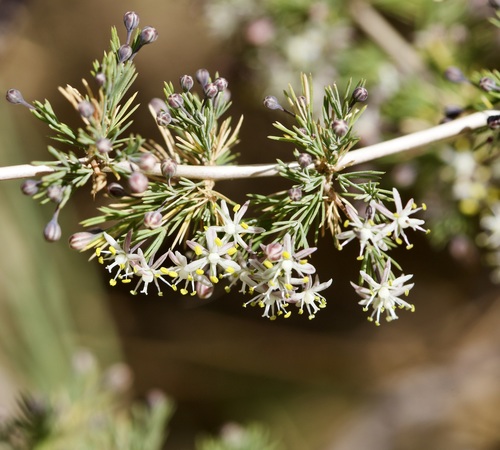
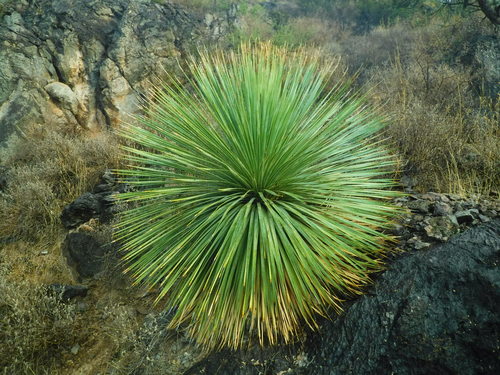
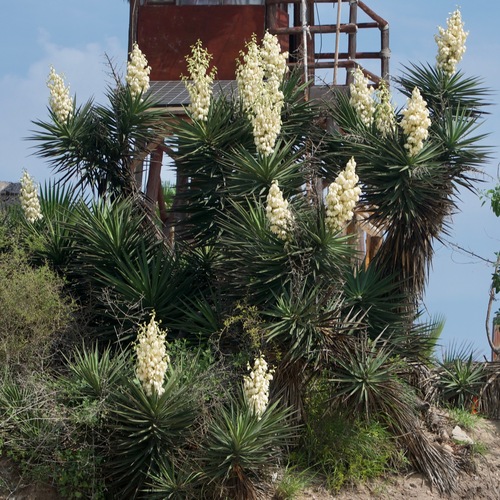
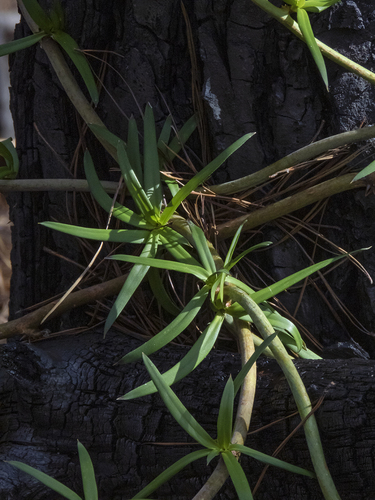
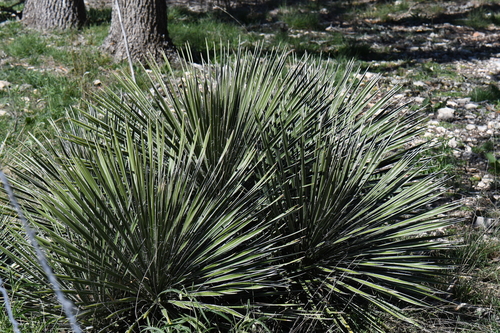
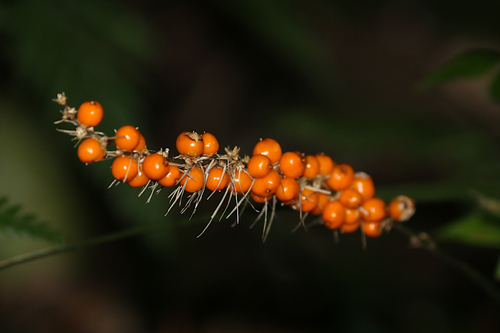
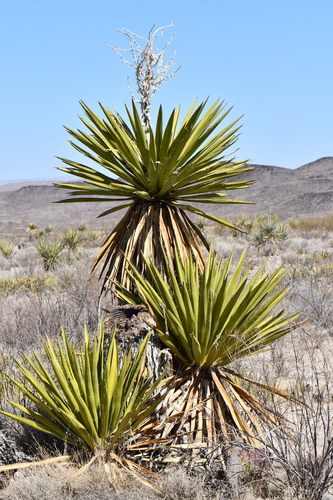
Yucca faxoniana (Trel.) Sarg. is most often a multi-trunked shrub growing between 0.91–3.05 m (3–10 feet) tall. It can also grow as a single-trunked tree-like form reaching up to 6.1 m (20 feet) tall. Its stiff bladed leaves measure 0.6 to 1.4 m (2 to 4.5 feet) in length. The species produces ivory to creamy white, bell-shaped flowers arranged on a flower head up to 0.6 m (2 feet) long. These flowers, which are pollinated by moths of the genus Tegeticula, typically bloom in April. After flowering, the plant produces sweet, pulpy, oblong fruits.
This yucca is native to the Chihuahuan Desert region, found in northern Mexico, southern New Mexico, and southwestern Texas. Its range is centered on Big Bend National Park in the central Rio Grande valley of the Chihuahuan Desert. It occurs mainly in the Mexican states of Chihuahua and Coahuila, and is also found in small scattered locations in Durango and Nuevo León. It is not present in the upper Rio Grande Basin section of central New Mexico, nor in the lower third of the Rio Grande Valley toward the Gulf of Mexico.
Native Americans used this plant's fruit as food, consuming it raw, roasted, or dried and ground into meal. They also used the plant's leaves to obtain fiber for making baskets, cloth, mats, ropes, and sandals. The roots were used as a red pattern element in Apache baskets.