About Xestia perquiritata Morrison, 1874
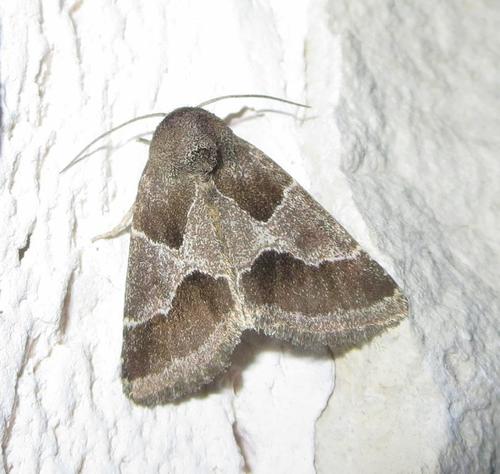
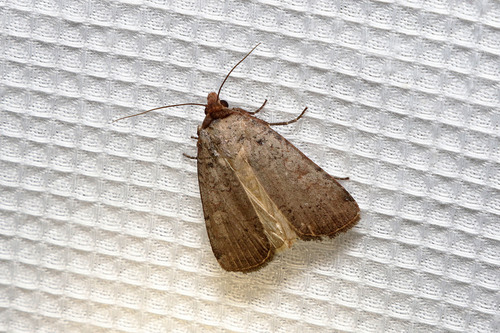
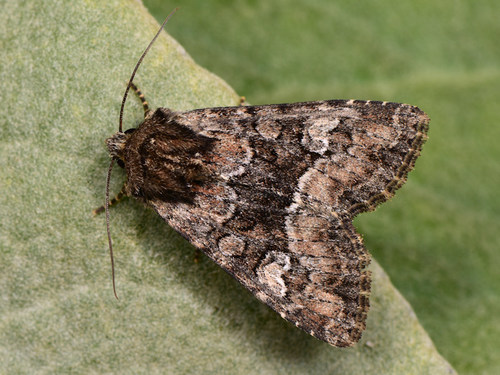
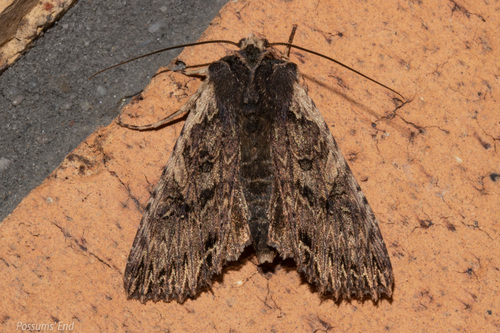
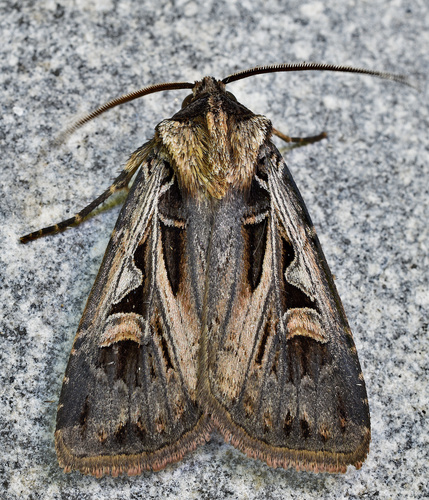
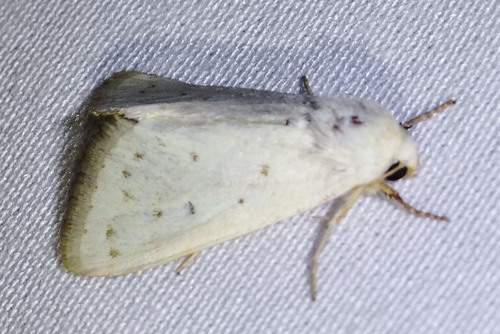
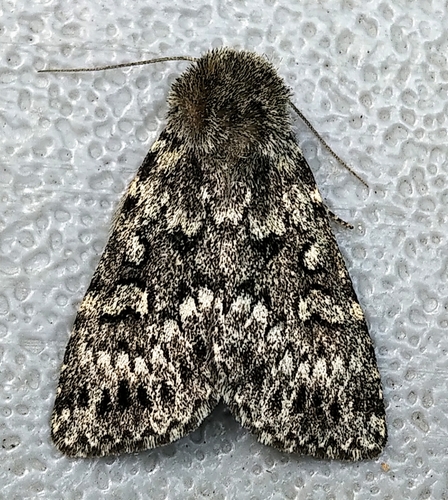
Xestia perquiritata, commonly called the boomerang dart, is a moth species that belongs to the family Noctuidae. This species was first formally described by Herbert Knowles Morrison in 1874. It is distributed across North America, ranging from Newfoundland, Labrador and northern New England in the east, westward to central Yukon, British Columbia and Washington. The species has several separate disjunct populations, including populations in Great Smoky Mountains National Park, the Rocky Mountains of Colorado, and a coastal bog in central Oregon. The wingspan of adult boomerang darts measures 38 to 45 millimeters. Adults can be seen in flight from June to August, and the species produces only one generation per year. The larvae of Xestia perquiritata feed on a variety of spruce and fir species. Larvae have successfully been reared on Picea glauca, Picea engelmannii, Abies balsamea and Abies lasiocarpa.