About Withania somnifera (L.) Dunal
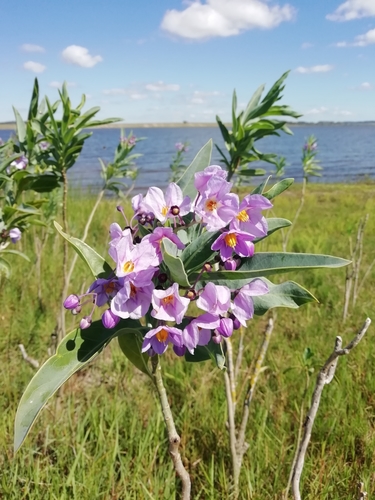
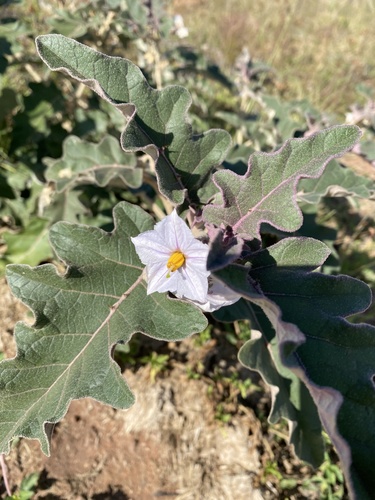
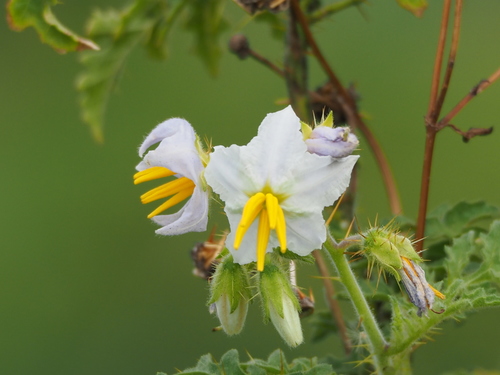
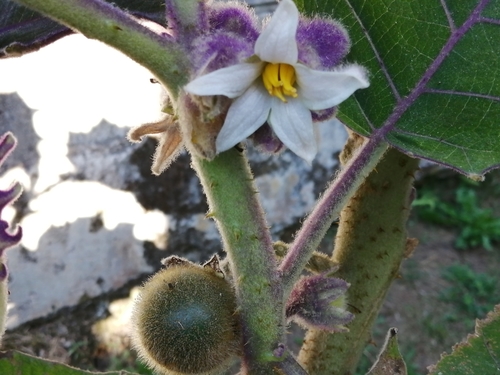
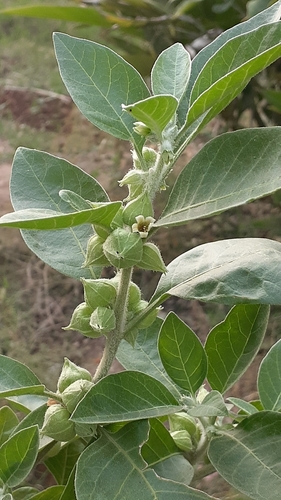
Withania somnifera (L.) Dunal is a short shrub that grows 35–75 cm (14–30 in) tall. Its tomentose branches extend radially from a central stem. The leaves are dull green, elliptic, and typically reach 10–12 cm (3.9–4.7 in) in length. The species produces small, green, bell-shaped flowers, and its ripe fruit is orange-red. W. somnifera may cause adverse effects when taken alone, or when combined with prescription drugs. The most common side effects are diarrhea, headache, sedation, and nausea. Ashwagandha may increase testosterone levels, which can cause adverse interactions with cancer medications. W. somnifera can cause hepatotoxicity, and its use as a supplement has been linked to herb-induced liver injury, especially among people with preexisting liver conditions. Use of W. somnifera is not recommended during pregnancy, or for people with hormone-sensitive prostate cancer. W. somnifera is cultivated in many drier regions of India, and is also found in Nepal, Sri Lanka, China, and Yemen. It prefers dry, stony soil and grows best in full sun to partial shade. It can be propagated from seeds in early spring, or from greenwood cuttings in late spring. The plant, particularly its root powder, has been used for centuries in traditional Indian medicine. W. somnifera is commonly sold as a dietary supplement containing root or leaf powder, or extracts. It is currently undergoing research for potential effects on stress, anxiety, and sleep, but current clinical evidence is insufficient to confirm its safety or efficacy.