About Veronica salicifolia G.Forst.
Nomenclature and Common Name
Veronica salicifolia G.Forst. (also referred to as Hebe salicifolia) has an overall willow-like drooping form, which gives it the common name New Zealand willow.
Seed Capsule Characteristics
Unlike most Hebe species, which have erect seed structures, this species produces downward hanging capsules that disperse via gravity.
Size and Growth Form
It is one of the larger hebe species; its woody structure lets it grow between 1 and 5 meters tall, and it can develop quite a wide spread of foliage.
Leaf Morphology
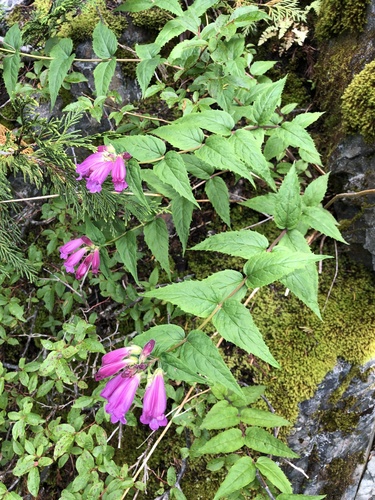
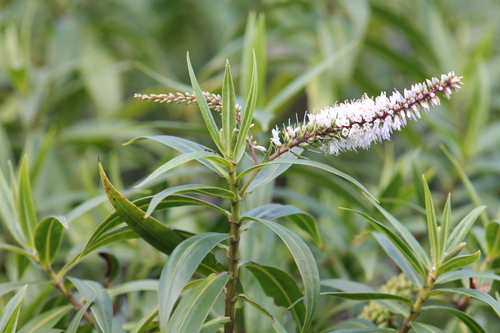
Its narrow, oblong leaves are oppositely arranged, range in color from dark green to yellowish green, and have hairs located on the leaf midrib.
Flowering Period
V. salicifolia is a perennial plant that flowers in summer and autumn.
Flower Structure
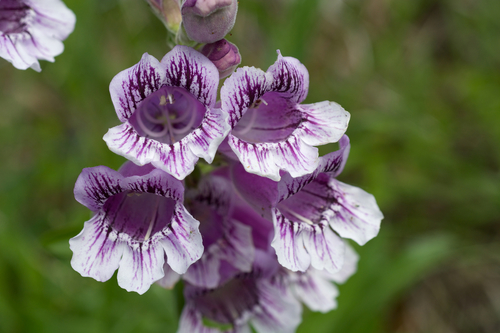
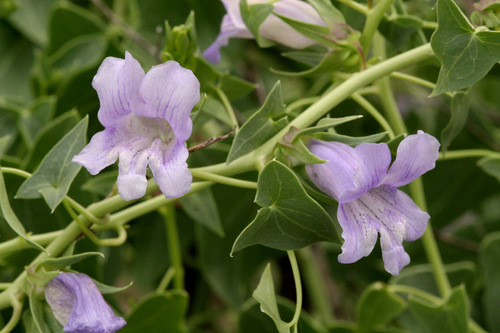
It produces multiple white and/or violet flowers, clustered together on stems that can grow up to 24 centimetres (9.4 in) long.
Floral Scent and Nectar Production
It is also one of the few Hebes that produces a pleasantly strong scent, and it produces a generous amount of nectar compared to other Hebes.
Distinguishing Morphological Features
Several less obvious structural features help distinguish it from other Hebes: its distinctive leaf buds, large nodules, and the shape and colour of its reproductive structures.
Stamen and Anther Traits
For example, its stamens are short, and its anthers are violet in colour.
Native Distribution
Veronica salicifolia is found in Chile, the South Island of New Zealand, and Stewart and Auckland Islands.
Naturalized Range
It has also been recorded as naturalized in Europe.
Habitat and Elevation Range
It displays wide ecological and morphological diversity, and inhabits areas from coastal margins to alpine regions up to 2,800 metres (9,200 ft) above sea level, the highest elevation recorded for a flowering plant in New Zealand.
Pollinator Visitors Overview
V. salicifolia attracts a wide range of unspecialized, promiscuous insects.
Insect Resource Use Patterns
Beetles and flies, especially syrphids, collect mainly pollen; bees visit the flowers for both pollen and nectar; tachinid flies and Lepidoptera primarily collect nectar.
Low Altitude Floral Visitors
Small native solitary bees and flies are common visitors especially at low altitudes.
Butterfly Nectar Use Record
A 2013 survey by Mark & Steve recorded that New Zealand native butterflies feed on nectar from Veronica species.
Documented Pollinator Species
The New Zealand endemic moth Scoparia rotuella is known to pollinate V. salicifolia.
Flower Effect on Butterfly Fitness
Laboratory tests have shown that its flowers significantly increase the fitness of female butterflies.
Shield Bug Egg Laying Host Use
Australasian green shield bugs often leave their egg shells on a wide range of native and naturalized trees and shrubs, including this species (called koromiko).
Shield Bug Feeding Habits
Adult and juvenile Australasian green shield bugs feed by inserting a stylet into the plant to suck plant sap and berries.
Pathogen Susceptibility
In poor growing conditions, V. salicifolia may develop leaf spot or downy mildew.
Cultivation Light Requirements
In cultivation, V. salicifolia is a hardy plant, but it is not shade tolerant. It needs to be grown in full sun, in a sheltered location with well-drained soil.
Soil and Moisture Tolerance
It can tolerate wet areas, and is often found naturally on the edges of bush and wetlands.
Drought and Cold Tolerance
Once established, it has considerable drought tolerance, and it is also tolerant of freezing.
Freezing Damage Threshold
Tests have recorded 50% leaf damage at −0.6 °C (30.9 °F).
Frost Protection Adaptation
Hebe salicifolia has closed vegetative buds that protect the vulnerable growing apex from frost; buds only open once they are fully grown.
Cultivation Hardiness Limits
However, Dallimore (1913) noted that most Hebes are specialized for habitats similar to those of New Zealand, and may not be hardy when grown except in the southern and western countries of England, western Scotland, Ireland, and various islands off the west coast of Britain.