About Valeriana tripteris L.
Classification and Habitat
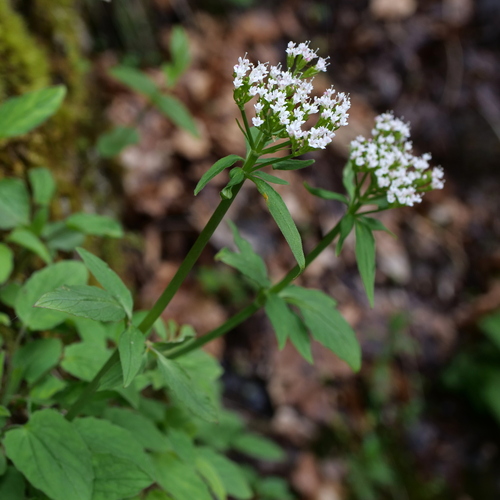
Valeriana tripteris, commonly known as three-winged valerian, is a perennial herbaceous plant belonging to the Valerianaceae family. Native to North America, this plant thrives in various habitats, including wet meadows, stream banks, and open woods.
Size and Stem Features
The plant can grow up to 1.5 meters tall and features a stout stem with oppositely arranged leaves that are pinnately divided into three leaflets.
Flower Characteristics
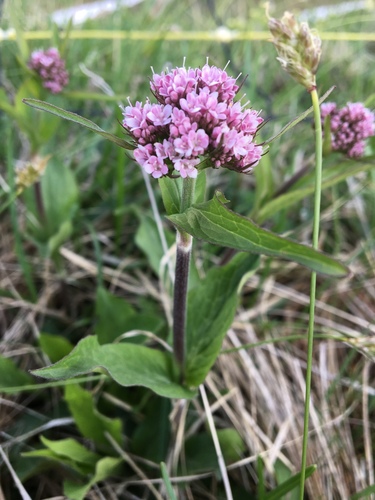
Its small flowers are typically white or pinkish and have five petals, forming clusters at the end of the stem.
Traditional Medicinal Uses
Traditionally, Valeriana tripteris has been used for its medicinal properties, including its sedative effects on the nervous system, treatment of anxiety disorders, relief of insomnia, and pain alleviation.
Active Therapeutic Compound
The plant's roots contain valerenic acid, which is believed to contribute to its therapeutic effects.
Ecological Role
Beyond its medicinal applications, Valeriana tripteris is also an important food source for various pollinators, such as bees and butterflies.
Overall Value
Overall, Valeriana tripteris is a fascinating perennial herb that offers medicinal benefits while also supporting pollinators in their natural habitats, contributing to ecological well-being.