About Valanga irregularis (Walker, 1870)
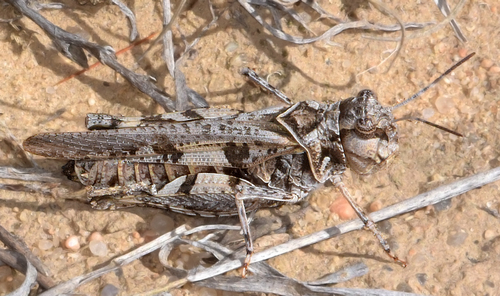
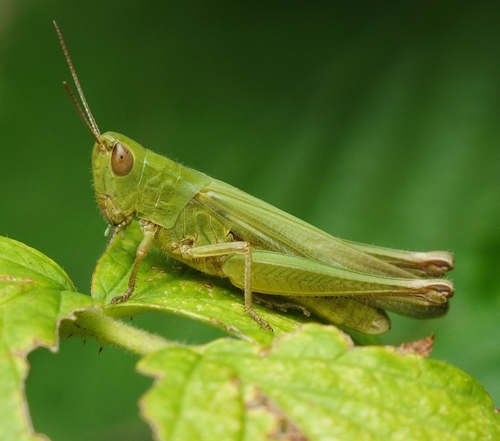
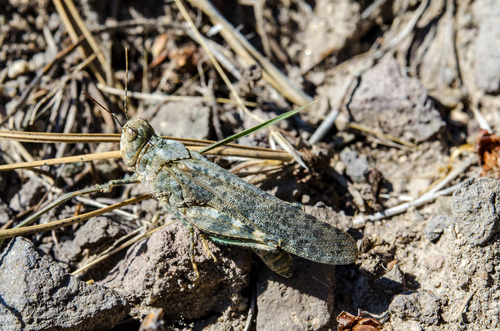
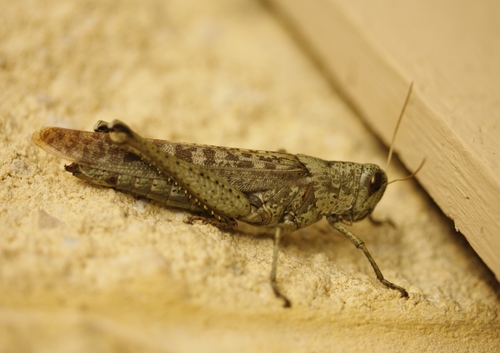
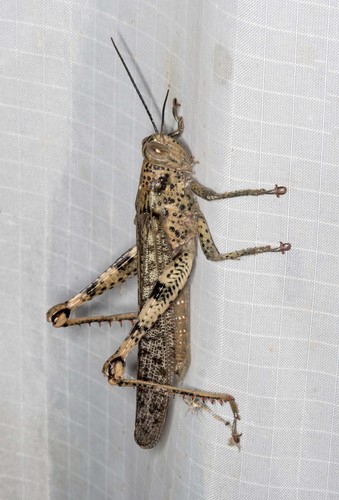
Description: Both sexes of Valanga irregularis look similar but differ in body size. Females can reach 60 to 75 millimetres in length, while males reach about 45 to 55 millimetres. This makes Valanga irregularis the largest grasshopper found in Australia and Southern African countries. Some reports note that body length can reach up to 90 millimetres. Body colour and pattern varies widely among individuals. Adults range in colour from creamy brown to greyish green. The forewings have a black dot pattern, while the hindwings are dark grey, and are sometimes colourless or light green. Orange and red spines with black tips are visible on the hind tibia. Distribution: Valanga irregularis is native to the tropical and subtropical regions of Australia north of Sydney; in Western Australia, individuals can be found as far south as Perth. The species prefers a moist climate. In spring and autumn, they are often found in grassland or forest. When atmospheric conditions are ideal, they sometimes move into suburban gardens. Ecology: Valanga irregularis feeds on shrubs, particularly Acalypha, Hibiscus and Bauhinia. Palm trees in the family Arecaceae are another common food source. They have strong mandibles, which they use to feed on plants starting from the leaf margin. They feed throughout the night, and remain hidden behind branches during hot and rainy days. Adult Valanga irregularis are good jumpers, and can defend themselves against predators such as mantises (order Mantodea) and lynx spiders using the spines on their hindlegs. In addition, Valanga irregularis is well camouflaged, as its body colour matches the colour of the plant stems and leaves it hides behind. Valanga irregularis mostly lives alone and does not form swarms. However, under favourable conditions, they may gather in small groups and cause damage, for example to young coffee berries. Even so, the species is not considered an ecological pest. Adults generally spend the winter months in their shelter, but are not completely inactive, and leave their hiding places from time to time to feed or sunbathe. The mating season begins on the first warm days of spring. Males produce calling noises to attract females, and the two sexes typically meet on their food source.