About Urochloa eminii (Mez) Davidse
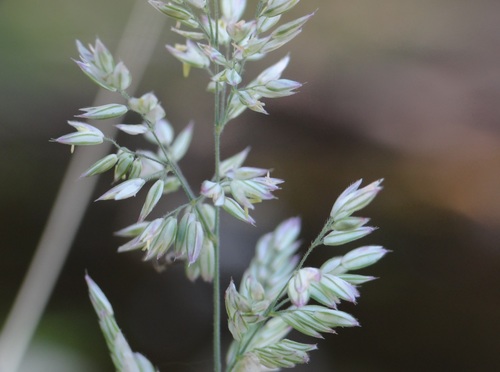
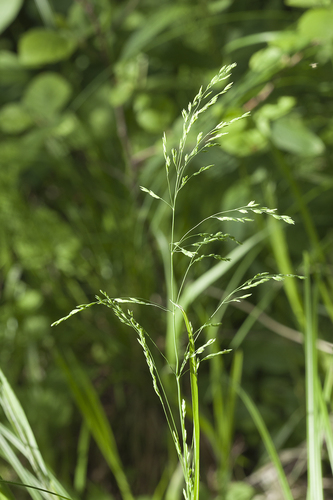
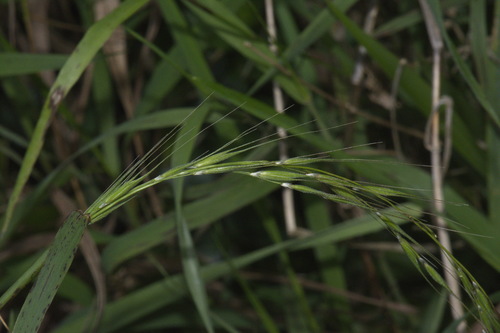
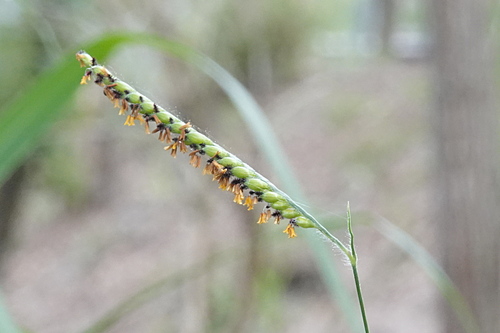
Urochloa eminii (Mez) Davidse is a tufted, creeping perennial grass with short rhizomes that form a dense leafy ground cover. Its stems grow from many-noded creeping shoots and short rhizomes, reaching 1.5 meters in height when flowering. The leaves are soft, hairy, and average 15 mm wide by 25 mm long; the seed count of this species is 250,000 seeds per kilogram. For cultivation, seeds should be drilled into a well-prepared seed bed, sown in rows spaced 60 cm apart, and the grass can be grazed once it is established.
Urochloa eminii has many common names worldwide, including Congo grass, Congo signal, Congo signal grass, Chinese cabbage, Kennedy ruzi, Kennedy ruzigrass, prostrate signal grass, ruzi, ruzigrass, and ruzi grass. It is native to Burundi, Rwanda, and eastern DR Congo, which is the origin of its common name "Congo grass", and has become naturalized across the humid tropics as a forage crop. Currently, four Brachiaria species cover up to 85% of Brazil's cultivated pastures.
Congo grass can be used as either permanent or semi-permanent pasture. It can be grazed by animals, or cut to use for green feed and conservation. This forage crop occurs across much of the humid tropics in South America, Africa, and Southeast Asia, and is a valuable forage for ruminants.