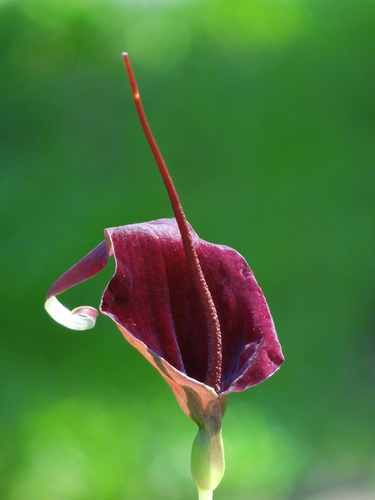
About Typhonium blumei Nicolson & Sivad.
Taxonomy and Native Range
Typhonium blumei, commonly known as the Arum family plant, is a perennial herbaceous species belonging to the Araceae family. Native to Southeast Asia, it can be found in countries such as Thailand, Malaysia, and Indonesia.
Leaf Characteristics
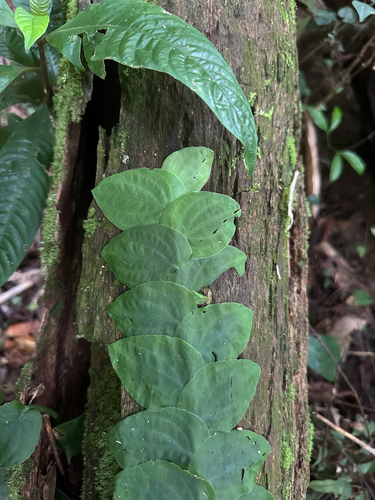
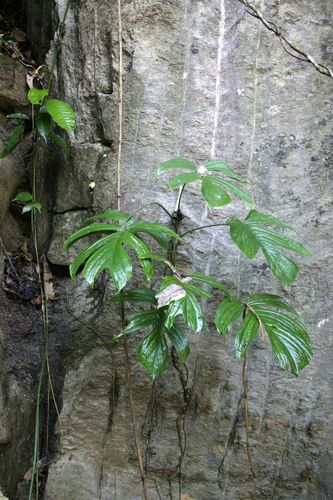
The plant is notable for its distinctive large, arrow-shaped leaves that can grow up to 30 cm in length and 20 cm in width.
Flower Structure
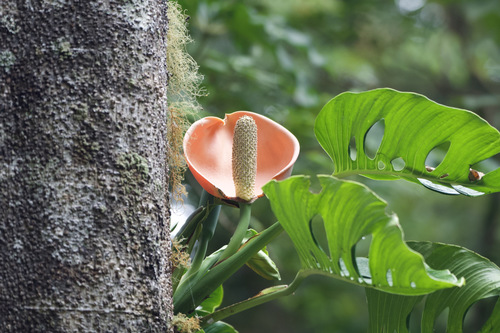
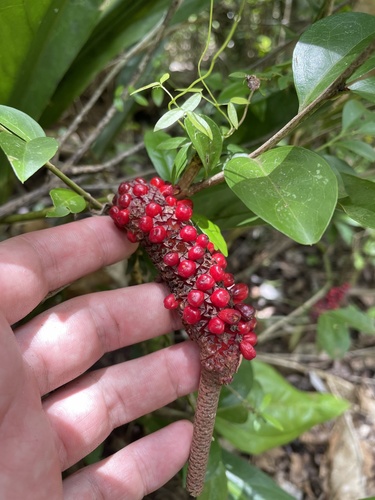
Typhonium blumei produces small flowers that are concealed within its spadix. These flowers are surrounded by a spathe, typically green or purple in color, which can grow up to 10 cm long.
Spathe Features
The spathe has a unique shape that resembles an elephant's trunk.
Traditional Medicinal Use
For centuries, traditional healers across Southeast Asia have used Typhonium blumei for its medicinal properties. The plant contains various bioactive compounds, such as flavonoids, alkaloids, and terpenoids, which exhibit anti-inflammatory effects.
Ornamental Value
In addition to its medicinal benefits, Typhonium blumei is also prized for its ornamental value, making it popular among gardeners worldwide due to its unique appearance.
Toxic Compounds
However, it is important to note that this plant contains calcium oxalate crystals, which can cause skin irritation or even poisoning if ingested.
Safety Precautions
Therefore, caution should be exercised when handling Typhonium blumei, especially if pets or children are present in your garden, as accidental contact could pose a risk.