About Trisetum flavescens (L.) P.Beauv.
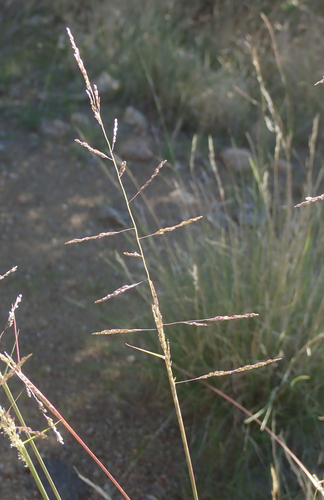
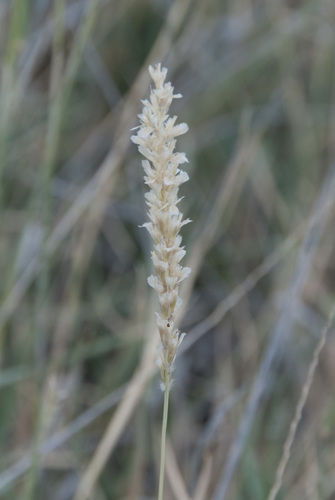
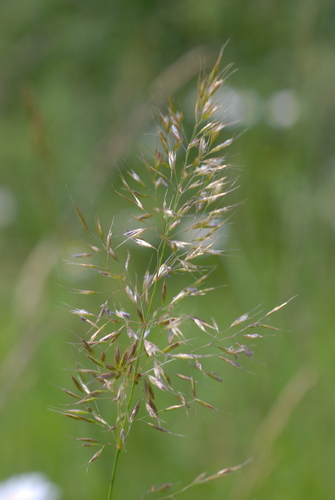
Trisetum flavescens, also known by its scientific name Trisetum flavescens (L.) P.Beauv., is a perennial bunchgrass that grows in clumps. It typically reaches 60 to 80 centimetres (24 to 31 inches) in height, and occasionally grows over 1 metre (3.3 feet) tall. Its inflorescence is a narrow panicle that is greenish yellow to purple when new, and ages to a bright golden yellow. This grass is susceptible to yellow oat grass mosaic virus (YOgMV), a virus from the genus Tritimovirus. This grass is documented to be toxic to livestock, and causes calcinosis, a condition where calcium is deposited in soft tissues including muscle, tendons, the heart, and large arteries such as the aorta. In affected cattle, the toxicity causes difficulty moving and standing, plus reduced milk production. In affected goats, it causes heart murmurs, heart arrhythmias, weight loss, difficulty walking, kneeling, and rising, and reduced milk production. In affected horses, it causes tenderness in tendons and ligaments, weight loss, and movement problems.