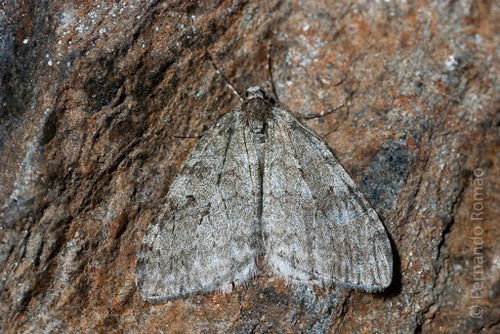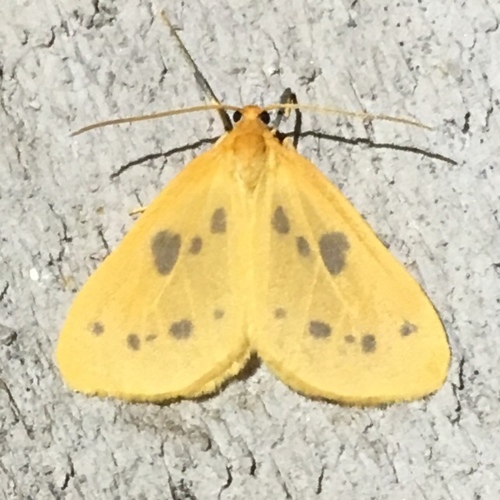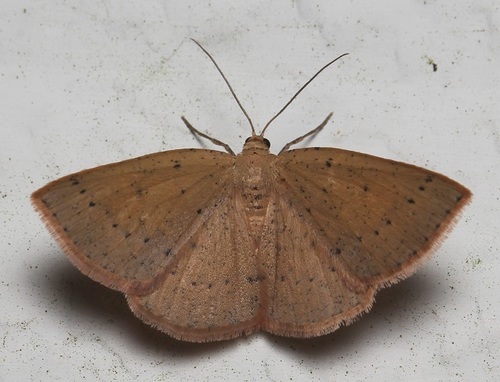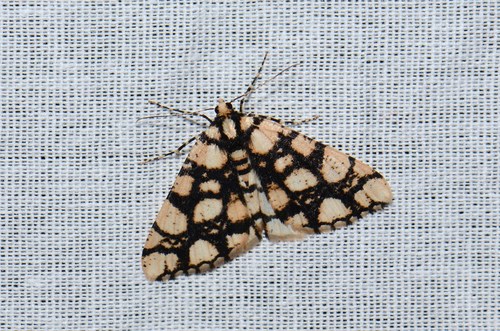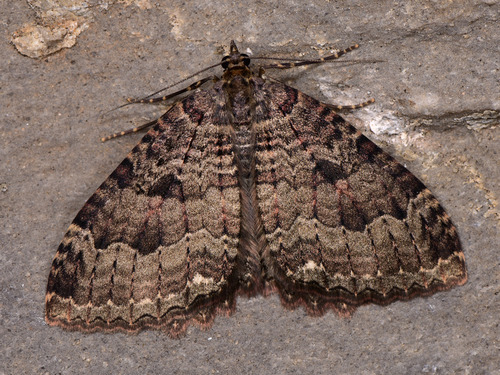
Triphosa dubitata (Linnaeus, 1758) is a animal in the Geometridae family, order Lepidoptera, kingdom Animalia. Not known to be toxic.

Photo of Triphosa dubitata (Linnaeus, 1758) (Triphosa dubitata (Linnaeus, 1758))
🦋 Animalia

Triphosa dubitata (Linnaeus, 1758)

Triphosa dubitata (Linnaeus, 1758)

Triphosa dubitata, the tissue, is a Geometridae moth described by Linnaeus in 1758, found across the Palearctic from northwest Africa to Japan.

Family
Genus
Triphosa
Order
Lepidoptera
Class
Insecta

About Triphosa dubitata (Linnaeus, 1758)

Triphosa dubitata, commonly known as the tissue, is a moth species belonging to the family Geometridae. This species was first formally described by Carl Linnaeus in the 10th edition of his work Systema Naturae, published in 1758. It ranges from north-west Africa, across the Palearctic realm, all the way to Japan. The wingspan of adult Triphosa dubitata measures between 38 and 48 mm. Depending on location, adult moths are active in flight from August to September. The larvae of this species feed on bird cherry (Prunus padus), various Rhamnus species including alder buckthorn (Rhamnus frangula) and common buckthorn (Rhamnus cathartica), and ash (Fraxinus excelsior).
Photo: (c) Paolo Mazzei, some rights reserved (CC BY-NC), uploaded by Paolo Mazzei · cc-by-nc

Taxonomy

Animalia › Arthropoda › Insecta › Lepidoptera › Geometridae › Triphosa

More from Geometridae

Sources: GBIF, iNaturalist, Wikipedia, NCBI Taxonomy · Disclaimer

Identify Triphosa dubitata (Linnaeus, 1758) instantly — even offline

iNature uses on-device AI to identify plants, animals, fungi and more. No internet needed.

Download iNature — Free

Start Exploring Nature Today

Download iNature for free. 10 identifications on us. No account needed. No credit card required.

Download Free on App Store