About Trifolium amabile Kunth
Taxonomy and Native Range
Trifolium amabile, commonly known as lovely clover or showy clover, is a species of flowering plant in the legume family Fabaceae. This plant is native to eastern Asia, where it can be found in China, Japan, Korea, and Russia.
Growth and Foliage
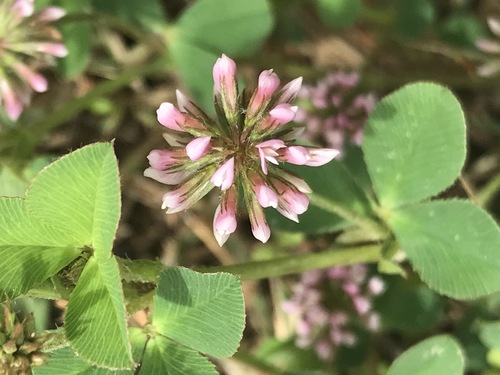
It typically grows to a height of 20-30 cm and features trifoliate leaves with oval-shaped leaflets that are green on top and slightly hairy underneath.
Flower Characteristics
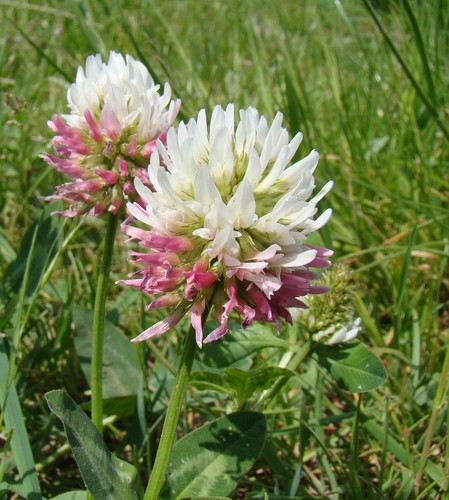
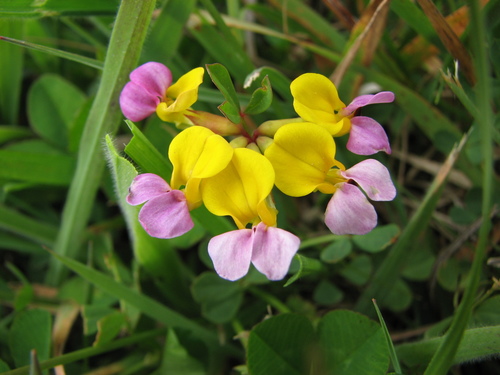
The flowers, which are pink or purple with a white center that turns yellow as they age, bloom from late spring to early summer on long stalks above the foliage.
Ornamental Uses
Trifolium amabile is often cultivated for its attractive flowers and foliage, making it a popular ornamental plant. It can be used for ground cover or planted in borders alongside other perennials, such as daisies or phlox.
Soil Preferences
The plant thrives in well-drained soil that is slightly acidic but can also tolerate some degree of alkalinity.
Traditional Medicinal Applications
Beyond its ornamental appeal, Trifolium amabile has been utilized in traditional Chinese medicine for centuries due to its anti-inflammatory properties, which may help alleviate symptoms of arthritis and other inflammatory conditions.
General Summary
Overall, Trifolium amabile is a charming flowering perennial with both aesthetic and potential medicinal benefits, making it a popular choice among gardeners worldwide.