About Trema lamarckianum (Roem. & Schult.) Blume
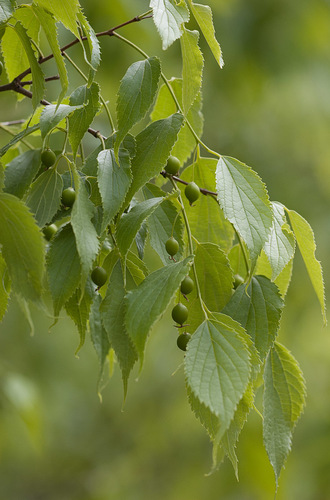
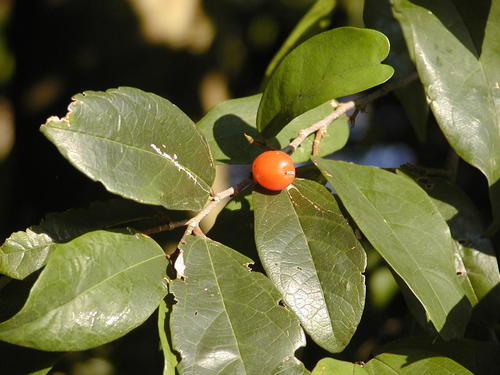
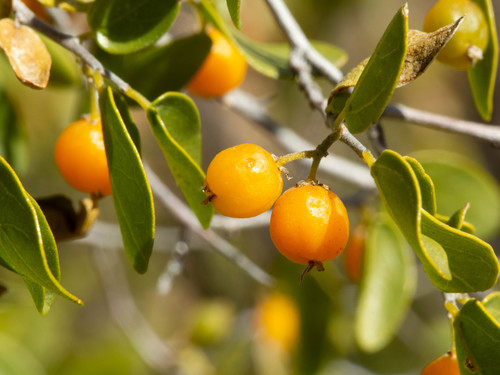
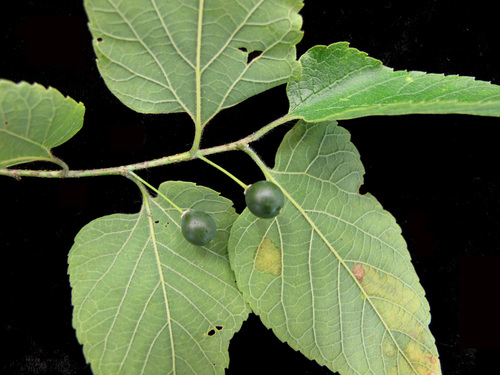
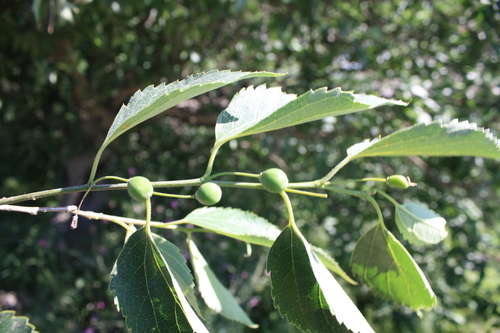
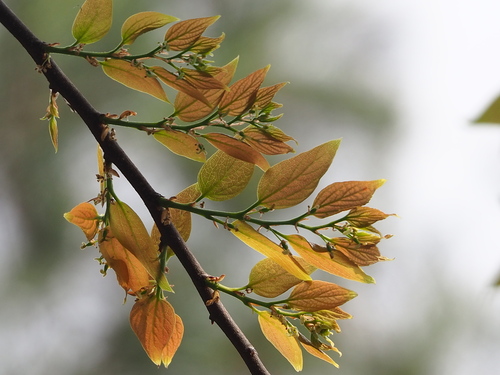
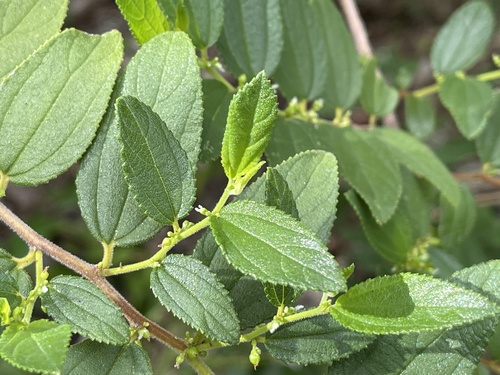
Trema lamarckianum (Roem. & Schult.) Blume has lateral, rigid yet flexible roots that provide the main structural support for the plant. It typically grows a single main stem covered in brownish-grey bark with small lenticels, and the inner bark beneath is pinkish-brown. This species is monopodial, meaning the main stem continuously produces branches; as the plant ages, some of these branches thicken and develop into the plant's main structural branches. Its leaves are alternate, attached to twigs by petioles 8 to 10 mm long. Leaf blades are approximately 2-4(-6) × 2-2.5(-3) cm, ovate-lanceolate, green, and have a rough surface. This species is native to Florida (North America), the West Indies, Bermuda, Grand Cayman, and the Bahamas. Trema lamarckianum is a pioneer species that grows across a wide range of disturbed habitats, even in areas where the ground is dominated by sedimentary or igneous rock. In Puerto Rico, populations grow in regions with annual rainfall between 1200 and 3000 mm. It is shade-intolerant, and most often grows in areas where the dominant vegetation is herbs and shrubs. It can be found growing on road cuts, unstable slopes, and landslide areas, where it disrupts work activities at these sites.