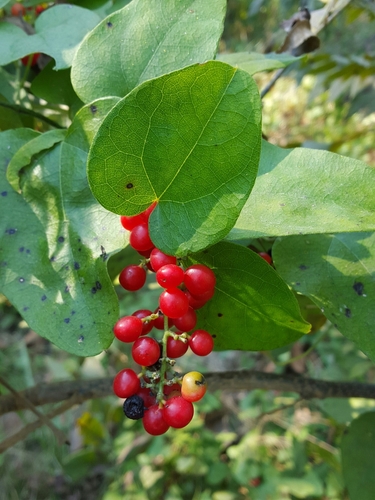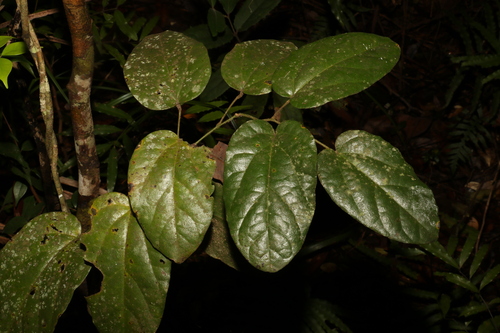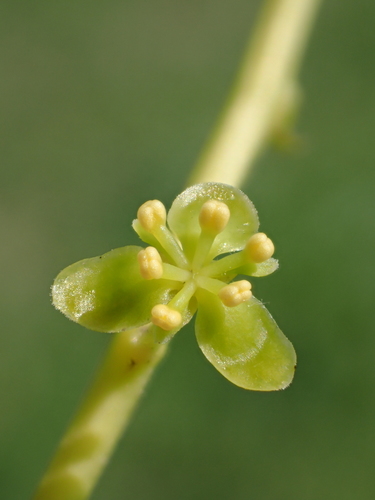
About Tinospora crispa (L.) Miers ex Hook.fil. & Thomson
Taxonomy and Geographic Origin
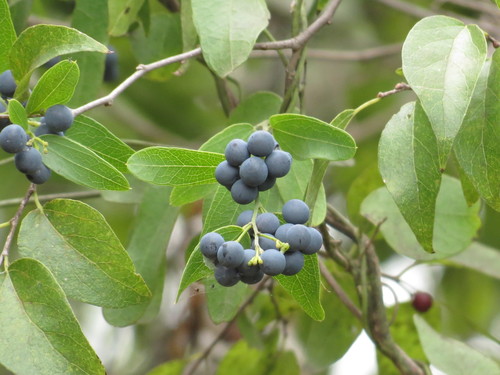
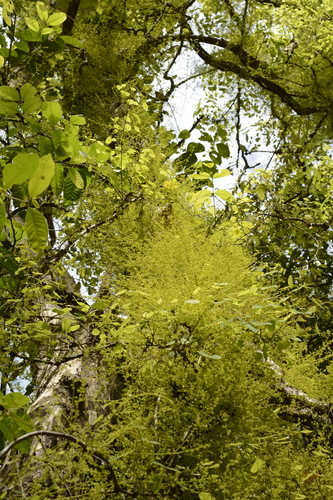
Tinospora crispa, also known as the "heart-leaved moonseed," is a perennial climbing vine belonging to the Menispermaceae family. Native to Southeast Asia, it is commonly found in countries such as Malaysia, Indonesia, and Thailand.
Foliage and Flower Features
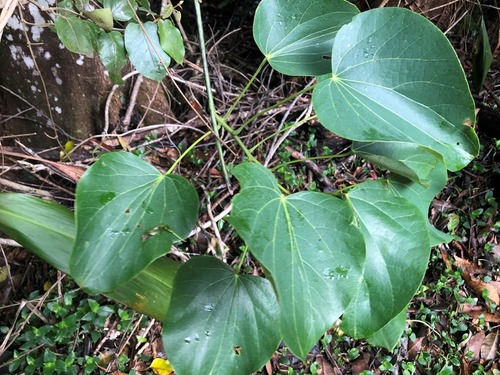
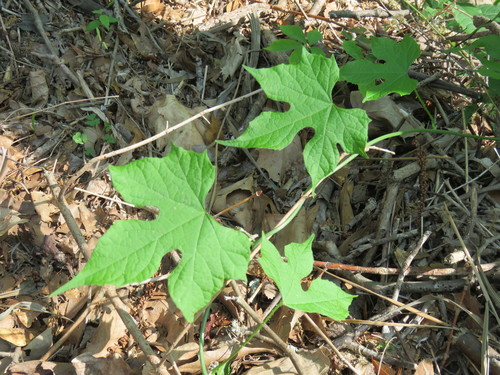
The plant features heart-shaped leaves that are green on top and pale underneath, and it produces small, yellow-green flowers that bloom in clusters during the summer months.
Traditional Use History
Tinospora crispa has been utilized for centuries in traditional medicine for its numerous health benefits.
Key Bioactive Compounds
The plant contains several bioactive compounds, including alkaloids, flavonoids, and terpenoids, which have been found to possess anti-inflammatory, antioxidant, and antidiabetic properties, among others.
Internal Medicinal Applications
The stem of Tinospora crispa is often used in traditional medicinal preparations, such as teas or decoctions, for treating various ailments including fever and digestive disorders like diarrhea and constipation.
Topical Medicinal Applications
It has also been used topically on wounds or skin infections due to its antimicrobial properties.
Current Research Status
Overall, Tinospora crispa is a valuable medicinal plant with potential therapeutic benefits that continue to be studied by researchers today.