About Thiodia citrana (Hübner, 1796-1799)
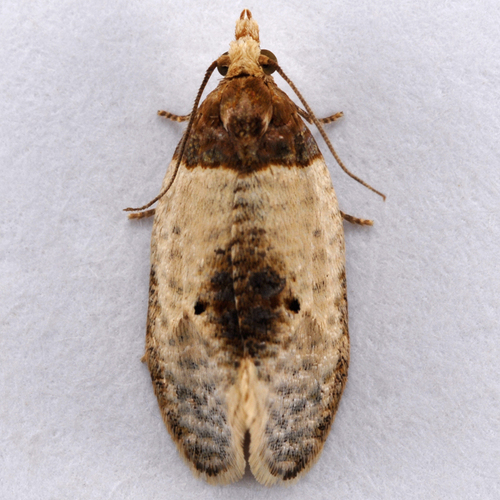
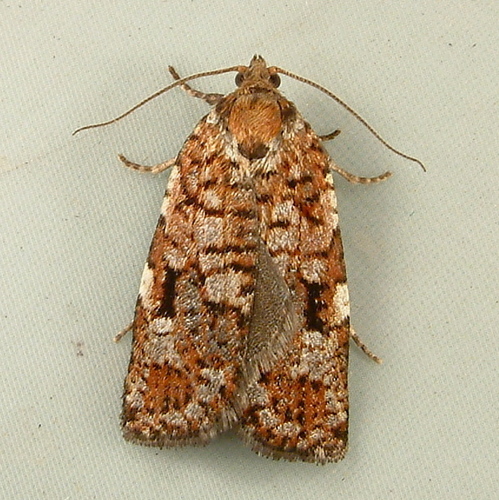
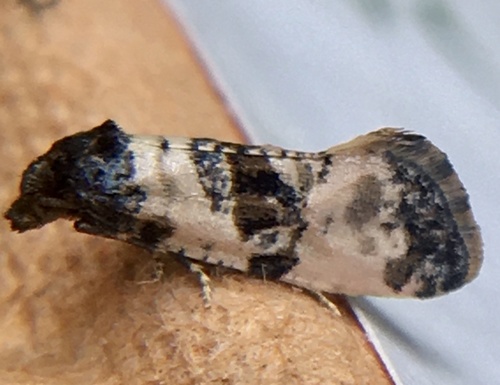
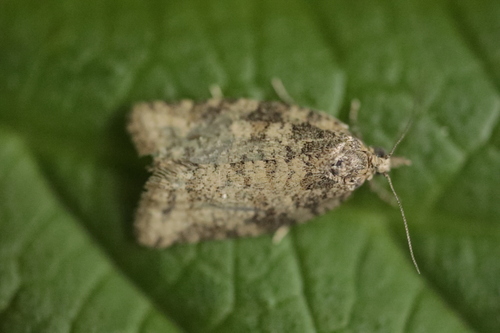
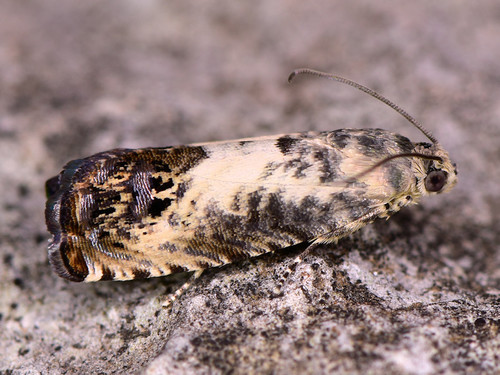
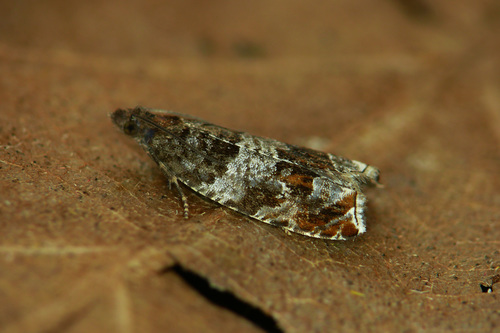
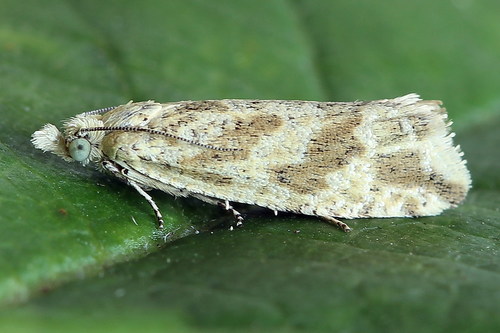
Thiodia citrana, commonly known as the lemon bell, is a species of moth in the family Tortricidae. It is distributed in China (specifically Hebei and Xinjiang), Japan, Iran, Asia Minor, Turkmenistan, Russia, Kazakhstan, North Africa, and Europe. Its natural habitat includes rough grasslands and dry pastures. The wingspan of this moth measures 16 to 21 millimeters. While it can resemble some species belonging to the group Cochylini, it is not closely related to these moths. Its palpi are relatively large and extend forward from the head in the shape of a short beak. The forewings are slightly pointed, pale yellow in color, and marked with small black cross-shaped spots along the costal edge. They also have brownish markings, which are formed by two slanted lines and a wide band near the wing tip. The hindwings are light brown, with a paler color at the base. In western Europe, adult moths are active on the wing from June to September. The larvae feed on Achillea millefolium, Artemisia campestris, Artemisia vulgaris, Tanacetum vulgare, and Anthemis cotula. They feed on the flowerheads of their host plants while staying inside a silk spinning, a shelter similar to a spider's web.