About Theobroma grandiflorum (Willd. ex Spreng.) Schum.
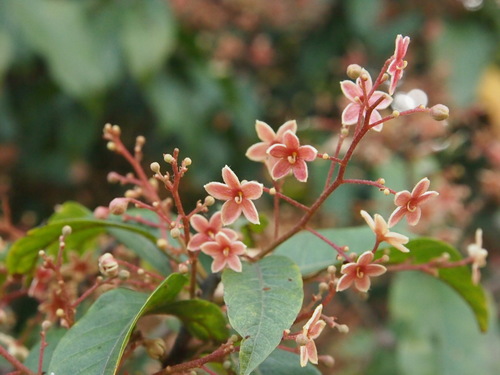
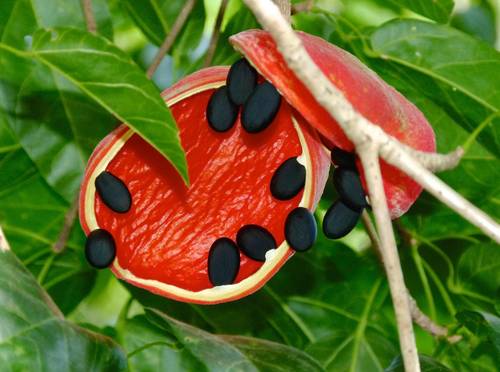
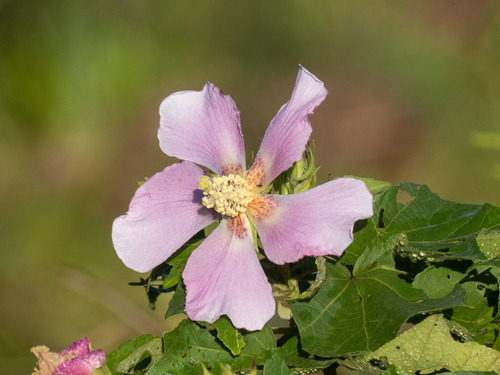
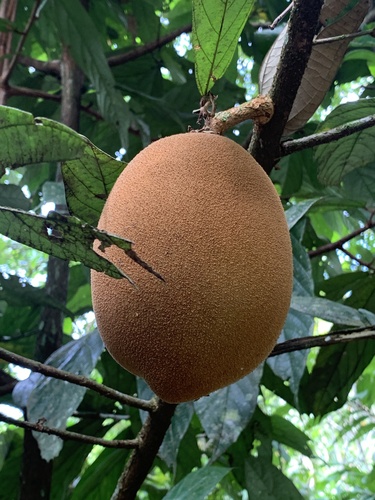
This species, Theobroma grandiflorum, is commonly known as cupuaçu. Cupuaçu trees typically grow between 5 and 15 meters (16 to 49 feet) tall, though some individuals can reach up to 20 meters (66 feet). They have brown bark, and their leaves measure 25 to 35 centimeters (9.8 to 13.8 inches) long and 6 to 10 centimeters (2.4 to 3.9 inches) wide, with 9 or 10 pairs of veins. As the trees mature, their leaves change from pink-tinted to green, before the trees begin producing fruit. Cupuaçu flowers are structurally complex and require pollination by living biotic vectors. Most cupuaçu trees are self-incompatible, which can lead to lower pollination rates and, as a result, reduced fruit yields. Environmental conditions can also negatively impact pollination: pollinators such as chrysomelid weevils and stingless bees cannot fly between flowers during heavy rains. The white pulp of cupuaçu has a scent described as a mixture of chocolate and pineapple, and it is often used in desserts, juices, and sweets. The juice tastes primarily of pear, banana, passion fruit, and melon. Chocolate produced from cupuaçu, which is very similar to chocolate made from cocoa, is called cupulate. For cultivation, cupuaçu is most often propagated from seed, though grafting and rooted cuttings are also used. Throughout the Amazon, cupuaçu trees are commonly included in agroforestry systems because they tolerate the infertile soils that are widespread across the Amazon region. Cupuaçu fruits are generally harvested from the ground after they have fallen naturally from the tree. It can be hard to identify when the fruit is at peak ripeness, because there is no noticeable change to the fruit's external color. However, studies conducted in the conditions of the Western Colombian Amazon have found that fruits generally reach full maturity 117 days after fruit set. Brazilians eat cupuaçu either raw, or use it to make sweets. Commercial food products made from cupuaçu include pulp and powder.