About Tetrix undulata (Sowerby, 1806)
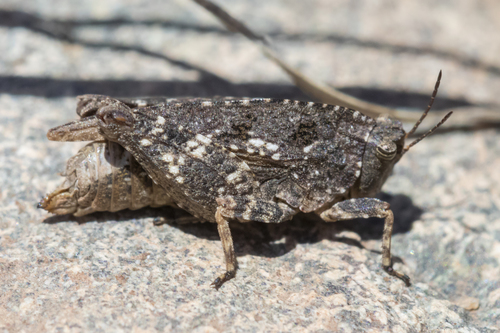
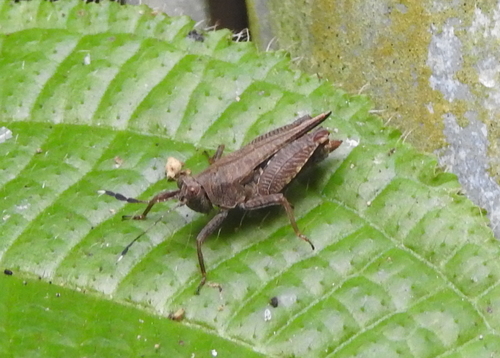
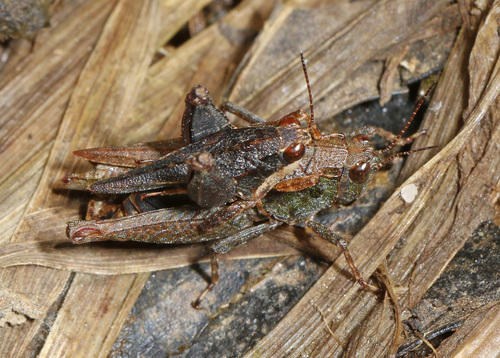
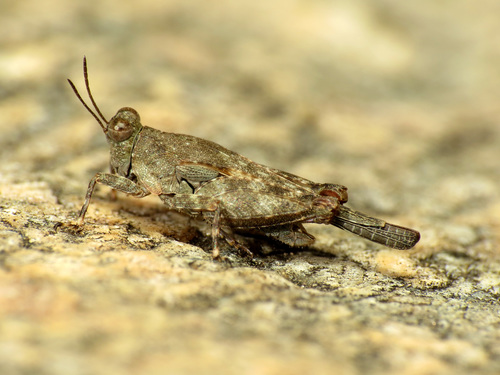
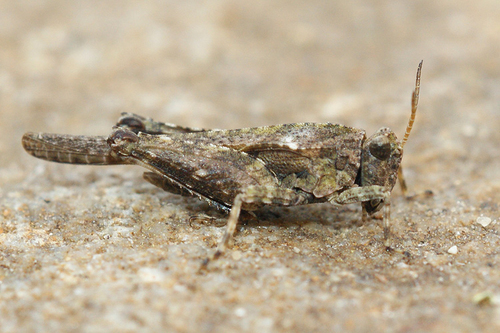
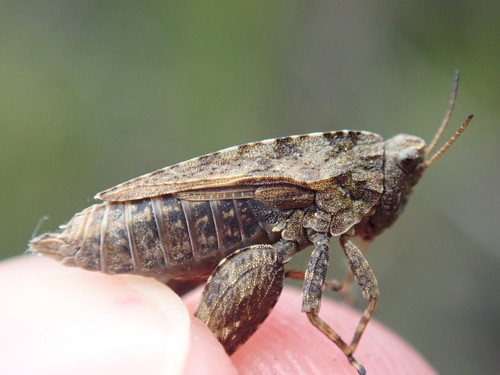
Tetrix undulata, first described by Sowerby in 1806, has a body length ranging from 6 to 12 millimeters (0.24 to 0.47 inches), with females typically being slightly larger than males. Its body color varies widely between individuals, with multiple distinct morphs occurring; these range from darker brownish shades to lighter yellow-white tones. Most light-colored individuals have darker body patterns. Tetrix undulata is primarily a European species, and it has a widespread distribution across the continent. Its range extends from Spain, through France, the Benelux countries, most of the British Isles, Germany, Denmark, southern Scandinavia, the southwestern tip of Finland, and Poland, eastward to the Baltic States, Belarus, Ukraine, Romania, and the European portion of Russia. The southern boundary of its distribution runs through Provence, the Jura, southern Baden-Württemberg, along the northern edge of the Alps, through northern Austria, and continues west of the Czech Republic and Poland. In more eastern parts of its range, the species occurs in isolated populations. It is the most common member of its family found in northern Europe.