About Symphyotrichum laeve (L.) Á.Löve & D.Löve
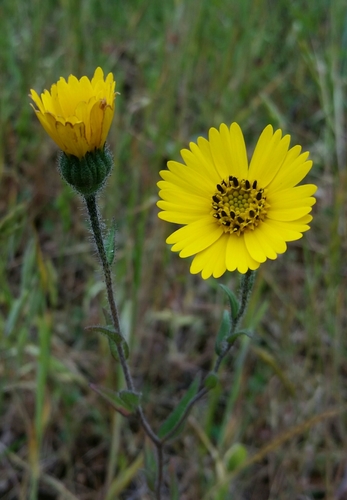
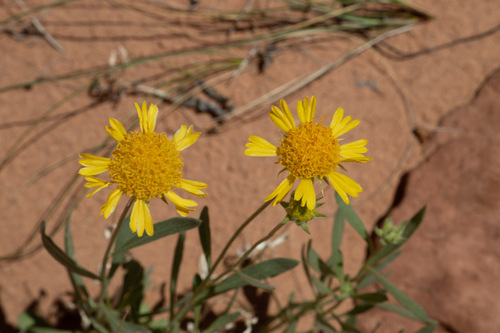
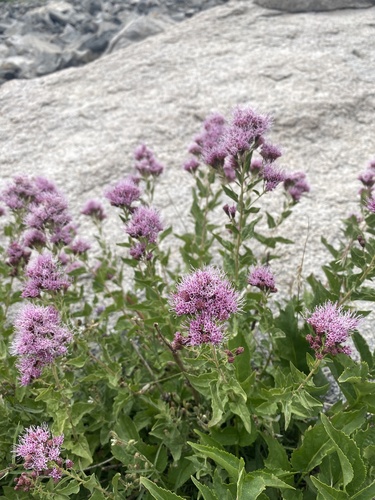
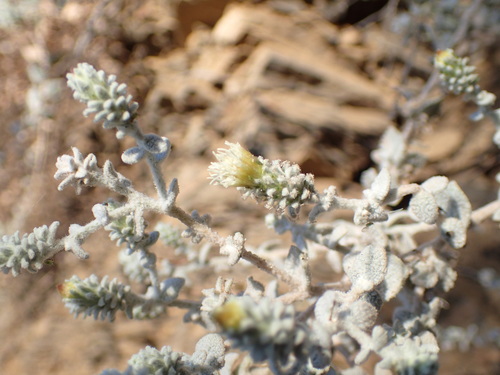
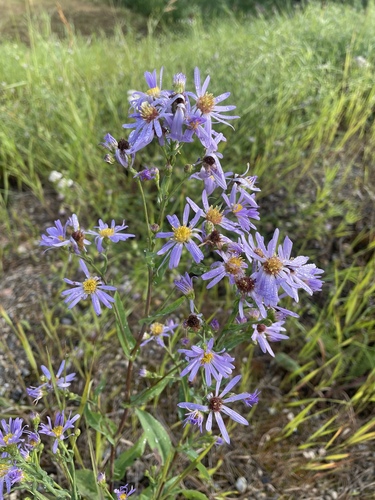
Smooth aster, with the scientific name Symphyotrichum laeve (L.) Á.Löve & D.Löve, grows to a height of 20 to 70 centimeters, which equals 8 to 28 inches. Its leaves grow in an alternating arrangement along the stems, and can have one of several shapes: lanceolate, oblong-ovate, oblong-obovate, or ovate. Leaves range from 3 to 20 centimeters (1 to 8 inches) in length, and 1 to 2.5 centimeters (3⁄8 to 1 inch) in width. Most leaves are hairless, and their edges are either smooth (entire), bluntly toothed (crenate), sharply toothed (serrate), or sometimes have smaller teeth (serrulate). Flower heads grow in clustered panicles. Each flower head holds 13 to 23 ray florets, with pale to dark blue or purple petal-like laminae, and 19 to 33 disc florets that begin yellow and eventually turn purplish-red. The entire flower head measures 13 to 25 millimeters (1⁄2 to 1 inch) across. Its seeds are cypselae with pappi (bristles at the seed tip). Similar to the hairs on dandelion seeds, these pappi allow wind dispersal of the seeds. Varieties of Symphyotrichum laeve are native to Canada, the United States, and Coahuila, Mexico. The species is an introduced plant in Québec and New Brunswick. S. laeve grows in fields, open woods, and along roadsides, preferring rocky or dry soil and full sun. Symphyotrichum laeve blooms in late summer and early fall. It is pollinated by many types of native bees and also attracts butterflies. It acts as a larval host plant for the pearl crescent butterfly, Phyciodes tharos.