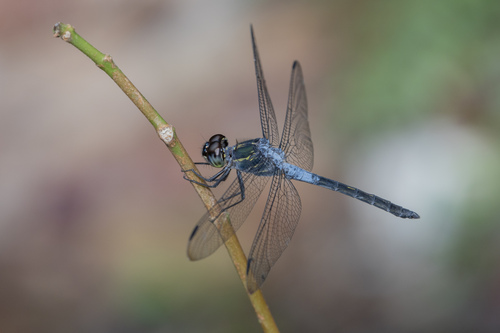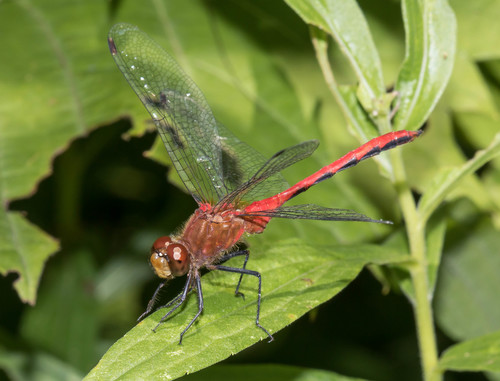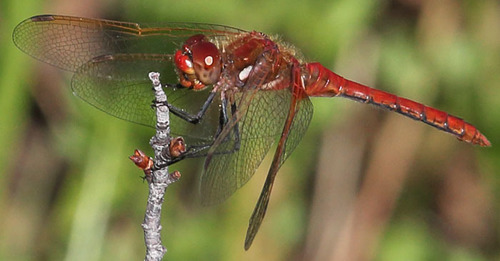
About Sympetrum madidum (Hagen, 1861)
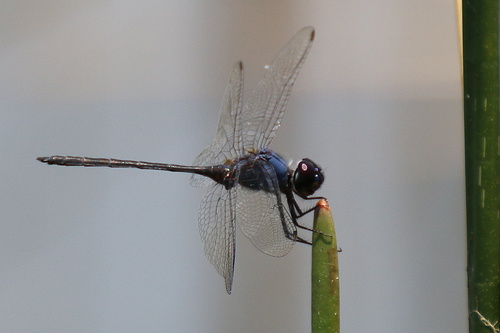
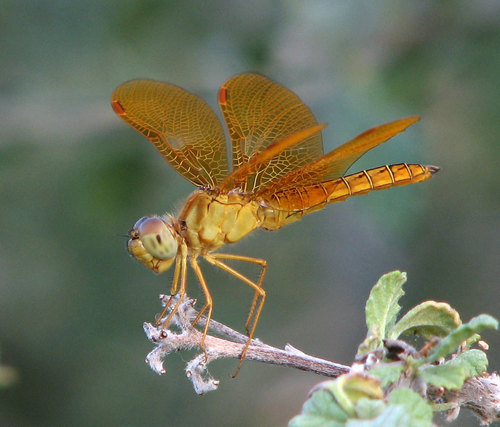
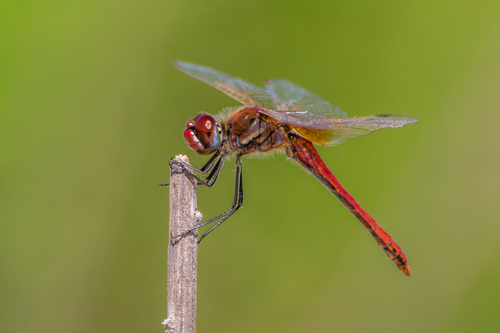
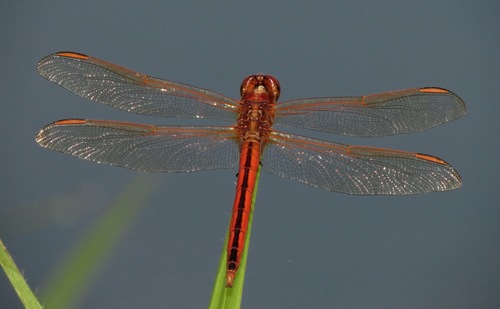
Sympetrum madidum, commonly known as the red-veined meadowhawk, is a species of dragonfly belonging to the family Libellulidae. It is distributed across the United States, where it has been recorded in Alaska, California, Colorado, Iowa, Idaho, Missouri, Montana, Nebraska, North Dakota, Oregon, Washington, and Wyoming. In Canada, it occurs in Alberta, British Columbia, Manitoba, the Northwest Territories, Nunavut, Saskatchewan, and Yukon. This dragonfly species lives along the edges of shallow, marshy ponds and lakes.
Red-veined meadowhawk naiads, the aquatic immature life stage, live in bottom debris of ponds and lakes. Their development can take place in ephemeral sites. Instead of actively chasing prey, naiads wait for passing prey, a strategy that protects them from other predators. Naiads emerge as adult dragonflies at night. Adult red-veined meadowhawks are thought to fly primarily between mid-June and mid-September, though they may also fly at other times of the year. Adults hunt flying insects from perches on rocks or bare branches.
This species is placed in the genus Sympetrum, a Latin name that translates to "with rock". The name refers to the genus's common habit of basking on rocks to absorb heat early in the day. Across most of its range, the red-veined meadowhawk is considered relatively uncommon, and it is not the most well-known species within the genus Sympetrum.
For reproduction, after mating the female remains flying while the male stays attached to her, a pairing position called in tandem. The female lays her eggs in shallow lakes and ponds by dipping the tip of her abdomen into the water's surface.