About Sympetrum depressiusculum (Selys, 1841)
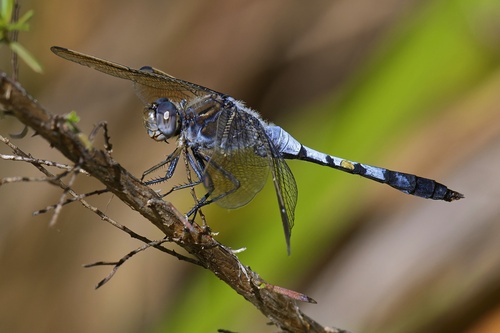
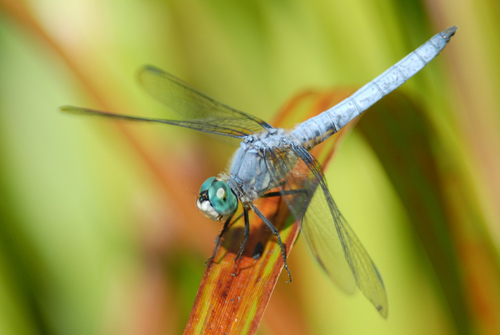
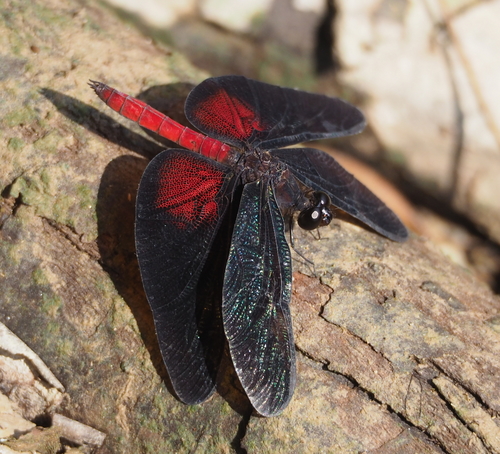
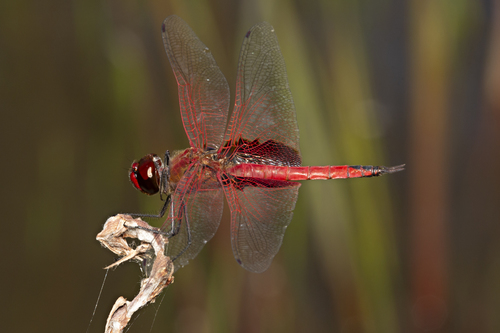
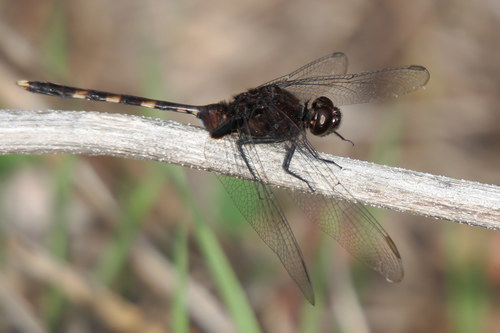
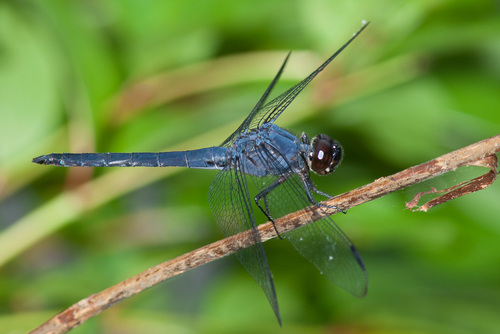
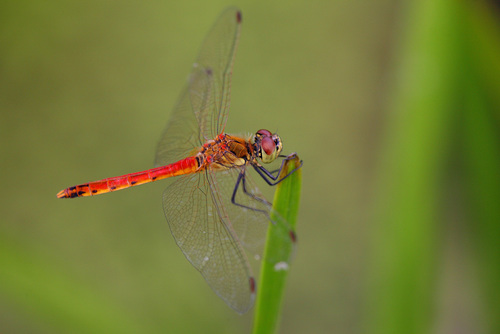
Adult Sympetrum depressiusculum reach a total body length of 29 to 34 mm, with an abdomen that makes up 20–24 mm of that length. Males can be identified by their flattened orange abdomen, which has a line of drop-shaped spots along each side, and an overall clubbed shape that is widest at the tip. Males of this species closely resemble males of the ruddy darter; ruddy darters have a more evenly flattened abdomen and noticeably darker pterostigmata. Adults of Sympetrum depressiusculum are weak fliers that fly during late summer.
This species breeds in temporary water bodies that dry out in autumn and refill in late spring when snow melts. It can also colonize man-made reservoirs and paddy fields that maintain this same water level dynamic. It is thought to have spread into parts of Europe due to carp aquaculture, which creates similar suitable water conditions. The species is distributed across temperate regions of Eurasia, ranging from Western Europe to Japan, but it is not found in the steppes and deserts of Central Asia. Most of the European population lives on Alpine slopes and in the lowlands of eastern Germany and Poland, and it only occurs locally across the rest of its range. Unlike populations of many other dragonfly species, which have recovered in recent decades following reductions in water pollution, the European population of Sympetrum depressiusculum is declining. This decline is caused by agricultural land use intensification and the abandonment of traditional agriculture. As a result, the species is classified as vulnerable in Europe.