About Stylurus flavipes (Charpentier, 1825)
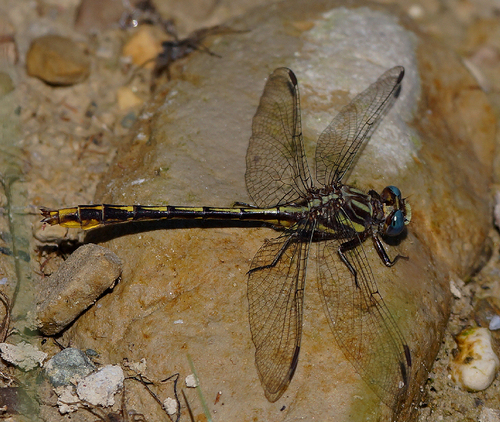
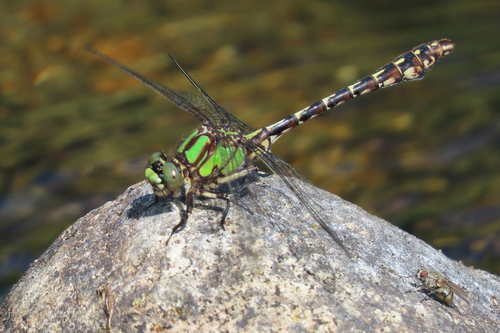
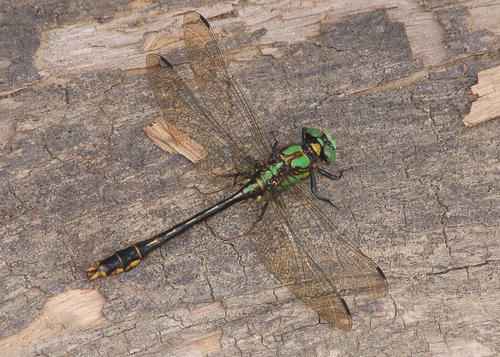
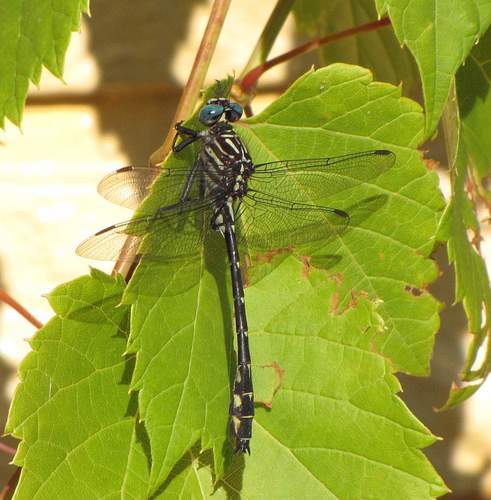
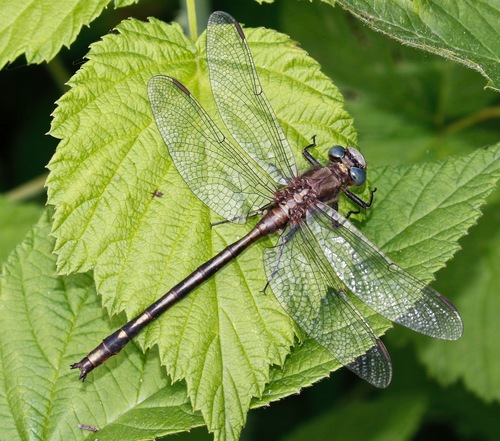
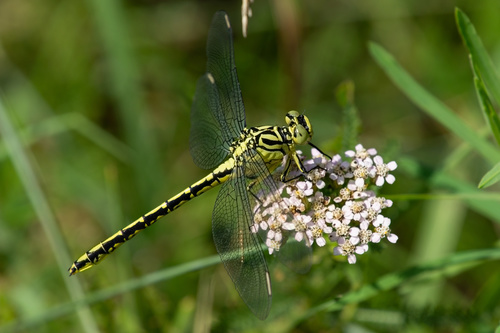
This species, currently classified as Stylurus flavipes (Charpentier, 1825) and previously referenced as Gomphus flavipes or G. flavipes, is a medium-sized dragonfly. Adults measure 50–55 mm in total length, with an average wingspan of 70–80 mm. A genus-specific characteristic of this species is widely separated eyes; males have blue eyes, while females have green eyes. Both sexes have predominantly yellow legs. Males have thin, angled terminal appendages, and the dorsal surface of their 10th abdominal segment is entirely black. Stylurus flavipes is a European dragonfly species. It has the largest geographical range of any European gomphid species, occurring from France eastward to eastern Siberia. Its southernmost confirmed record is from Greece. In Central Europe, the species occurs in very patchy, scattered populations, and it has become rare across Western Europe. In Southern Europe, Stylurus flavipes is replaced by other gomphid species. The exact full geographical range of this species remains unclear. Stylurus flavipes inhabits areas along the middle and lower reaches of slow-flowing medium-sized and large rivers. It favors riverbeds with substrates of mud, clay, loam, or fine sand, because its larvae develop while buried in this substrate. It avoids areas with decomposing organic matter and oxygen-poor stagnant water, and also avoids reaches with high water drift and coarse substrate. Occasionally, the species can be found in large, well-oxygenated lakes. Like all dragonflies, Stylurus flavipes is predatory, and adults capture smaller insects in flight. Adult imagos are rarely seen; they are easiest to observe during the mating period or when young adults emerge. Mating typically occurs in June or July. During the daytime, adult males search for females far from the riverbank, flying at low altitude above the waterfront. If a male successfully attracts a female, copulation occurs in sheltered vegetation beneath willows along the water edge. After fertilization, females fly 20–30 cm above the water surface and lay eggs into the water, either one at a time or in small packets.