About Stylidium spathulatum R.Br.
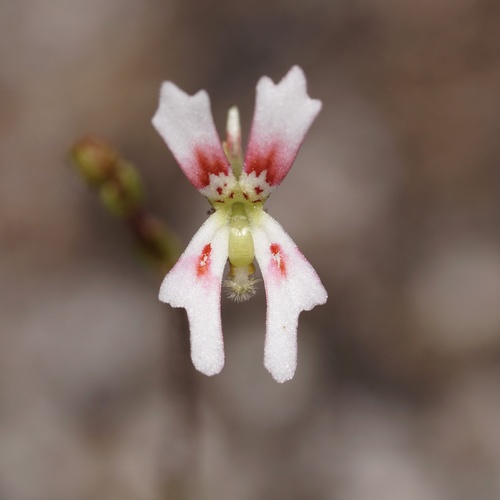
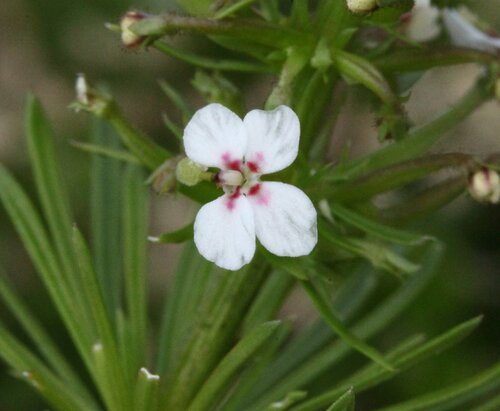
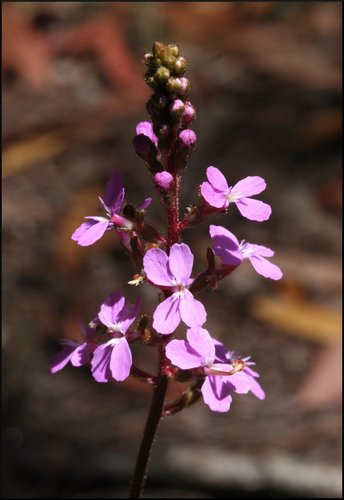
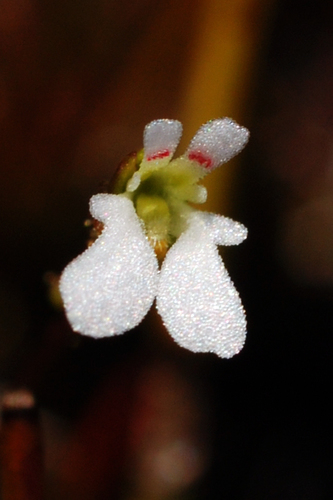
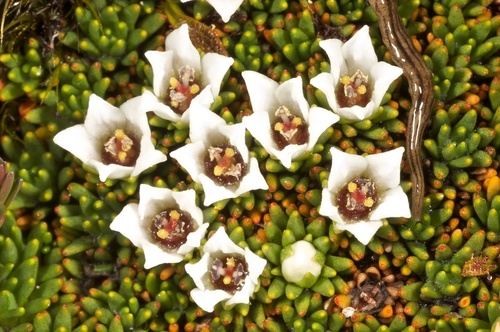
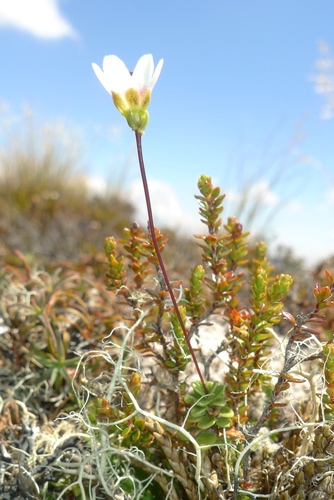
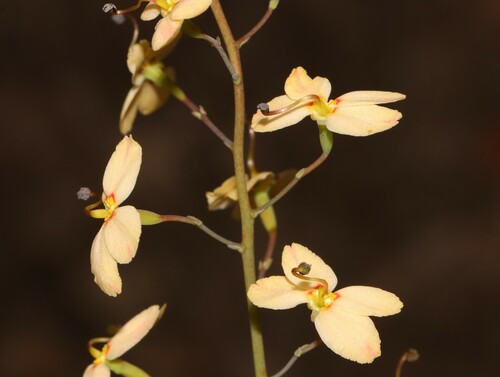
Stylidium spathulatum R.Br. is a dicotyledonous plant in the genus Stylidium of the family Stylidiaceae. It has the informal common name creamy triggerplant, named for the colour of its yellowish-white flowers. Its flowers bloom between October and January, and are borne on a scape that grows 0.05 to 0.5 metres above the ground; the base of this scape is glandular, while its upper sections are glabrous. The species has spathulate (inversely lance-shaped) leaves that grow in tufts and spread out just above ground level. Stylidium spathulatum grows on dunes, granite outcrops, swamps, and other moist areas, located within Eucalyptus woodland, heathland, or shrub communities. It is native to the Southwest Botanical Province of Western Australia. This species was first formally described by Robert Brown in his 1810 work Prodromus Florae Novae Hollandiae, based on a collection he made during his visit to King George Sound in 1801. Ferdinand Bauer, the botanical illustrator who accompanied Brown on the HMS Investigator expedition, sketched the collected material and added annotations for later colouring. The locality of the species' lectotype is recorded as Princess Royal Harbour, King George Sound.