About Sterculia rogersii N.E.Br.
Taxonomy and Native Range
Sterculia rogersii, a species of flowering plant in the Malvaceae family, is native to the tropical rainforests of Papua New Guinea.
Size and Trunk Features
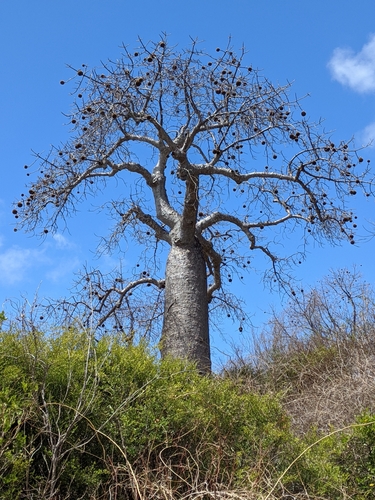
This medium-sized tree can reach heights of up to 30 meters, with a straight trunk and smooth bark.
Leaf Traits
Its large, glossy leaves are oval-shaped with pointed tips.
Reproductive Structures
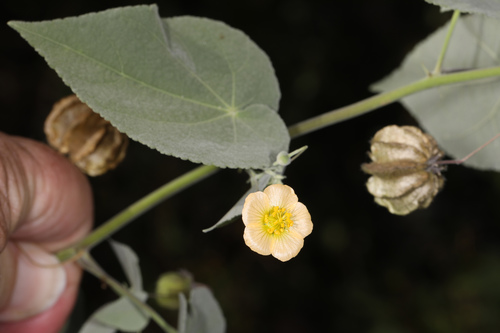
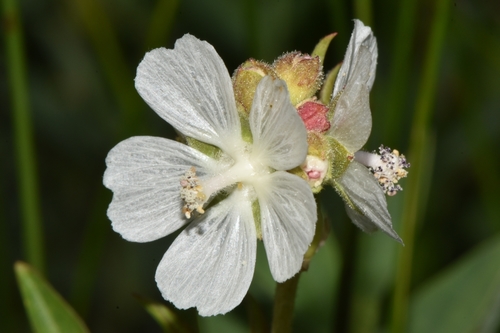
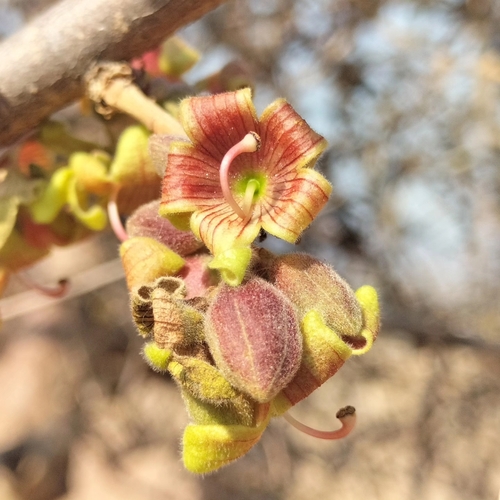
While the flowers are small and inconspicuous, the fruit is substantial, measuring up to 20 centimeters in diameter, and is woody with numerous seeds surrounded by edible pulp.
Traditional Medicinal Uses
The tree has various applications in traditional medicine. Its bark can be used as an antiseptic or for treating skin diseases, while the leaves can be used to treat fever or as a poultice for wounds.
Indigenous Food Use
Indigenous people have also used the seeds as a food source.
Ornamental Horticulture Use
Sterculia rogersii has gained popularity among horticulturists due to its attractive foliage, making it suitable for ornamental purposes in gardens or parks.
Shade Planting Use
Its dense foliage provides ample shade, making it ideal for planting along roadsides or near buildings.
Primary Threat
However, like many other tropical rainforest trees, Sterculia rogersii faces threats from deforestation caused by logging activities.
Conservation Requirement
If not properly managed through conservation efforts such as reforestation programs aimed at restoring degraded forest areas, this species could be driven towards extinction.