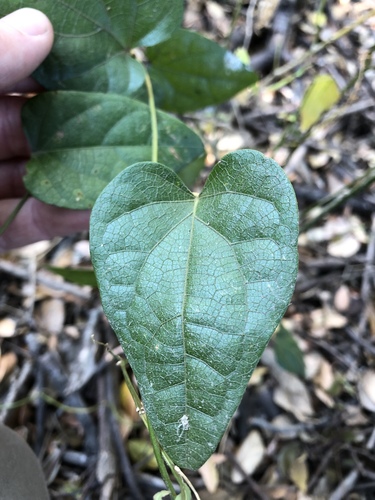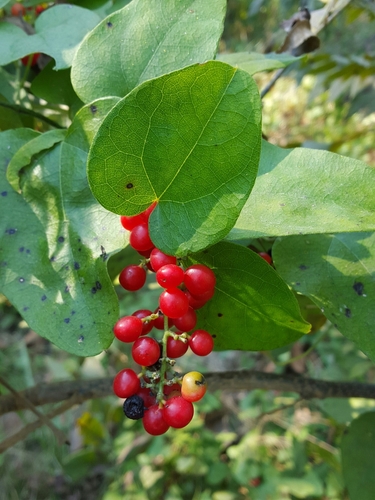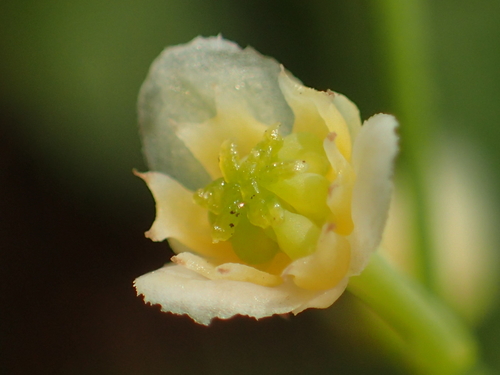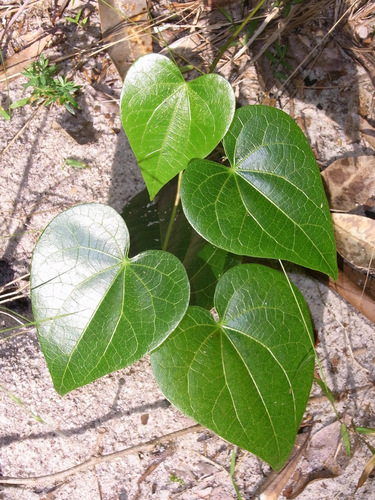
About Stephania tetrandra S.Moore
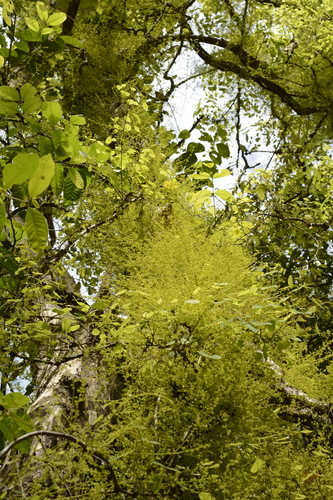
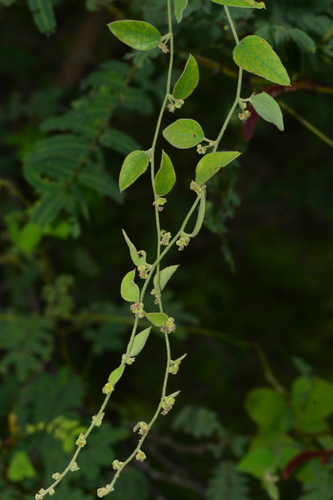
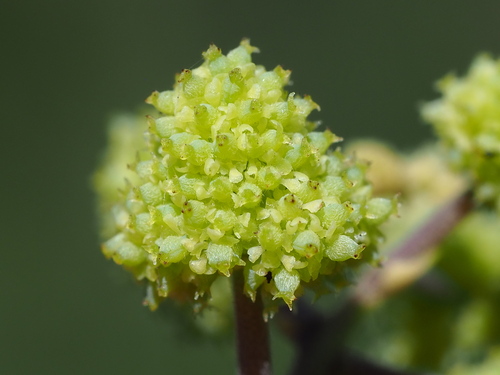
Botryodiscia is a genus of flowering plants in the family Menispermaceae. It is monotypic, containing only one species: Botryodiscia tetrandra. This plant is a herbaceous perennial vine or scrambling subshrub native to southern China, Hainan, Taiwan, and Vietnam. It grows from a short, woody caudex, and climbs to around three meters in height. Its leaves are arranged spirally on the stem, and are peltate, meaning the leaf petiole attaches near the center of the leaf. The root of this species is used in traditional Chinese medicine (TCM). The species was first described as Stephania tetrandra by Spencer Le Marchant Moore in 1875. In 2024, Lian Lian and Wei Wang placed it in the newly described monotypic genus Botryodiscia as Botryodiscia tetrandra. Botryodiscia tetrandra grows in shrublands at village margins, open fields, and roadsides. Its distribution includes South Central and East China (the provinces of Anhui, Fujian, Guangdong, Guangxi, Hainan, Hubei, Hunan, Jiangxi, and Zhejiang), Taiwan, and Vietnam. Botryodiscia tetrandra is among the 50 fundamental herbs used in TCM. According to the Herbal Pharmacopoeia of the People's Republic of China, the standard pinyin name is fen fang ji (Chinese: 粉防己; pinyin: fěn fáng jǐ), but it is more commonly known as Han Fang ji (Chinese: 漢防己; pinyin: hàn fáng jǐ). In traditional Chinese medicine, fen fang ji (the root of this plant) is used to dispel wind and dampness, relieve pain, and promote diuresis. It is classified as acrid, bitter and cold, and the root is the only part used medicinally.