About Sporobolus anglicus (C.E.Hubb.) P.M.Peterson & Saarela
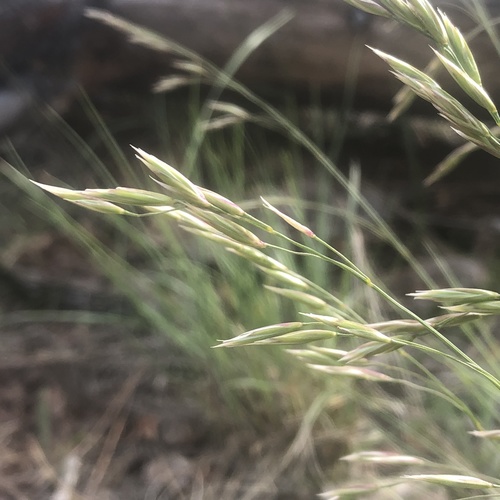
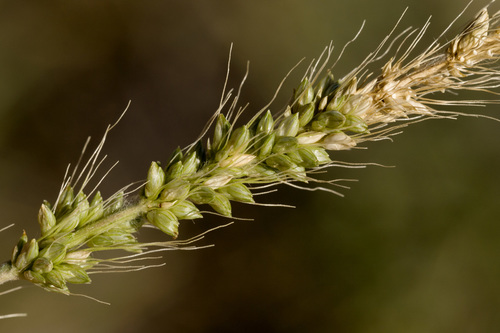
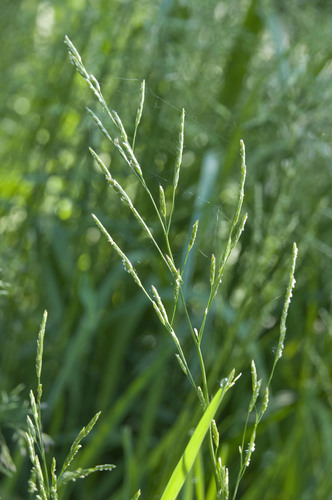
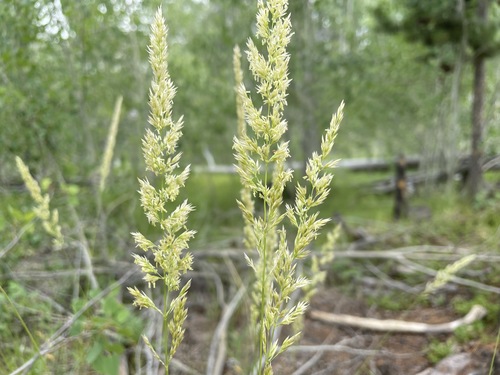
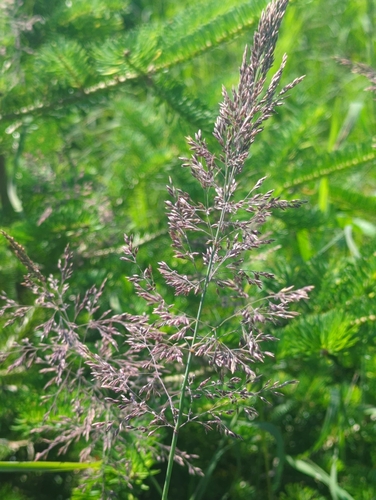
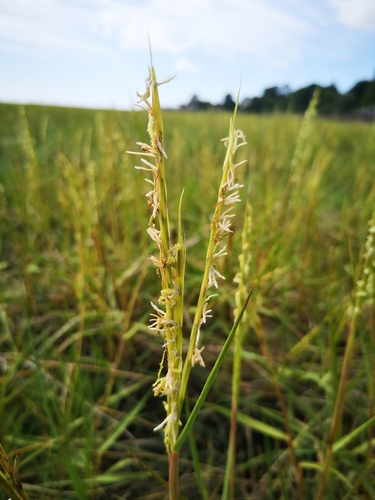
Sporobolus anglicus, commonly known as common cordgrass, is a hybrid-derived cordgrass species that originated in southern England around 1870, and is classified as a neonative species in Britain. A 2014 taxonomic revision reclassified this species as Sporobolus anglicus, though its older name Spartina anglica remains widely used. It is an allotetraploid species descended from the hybrid Sporobolus × townsendii. That hybrid formed when the European native small cordgrass, Sporobolus maritimus, crossed with the introduced American smooth cordgrass, Sporobolus alterniflorus. Common cordgrass is a herbaceous perennial that reaches 0.4 to 1.3 metres (1 to 4 feet) in height. It has round stems that are yellowish green during spring and summer, fading to light brown in autumn and winter. Its leaves grow 20 to 60 centimetres (8 to 24 inches) long, with a base width of 1.5 centimetres (1/2 inch), and taper to a sharp point. The species produces flowers and seeds only on one side of the stem. Its flowers are yellowish-green, and turn brown by winter.