About Spondias tuberosa Arruda
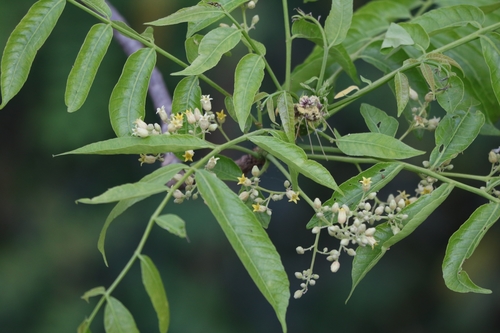
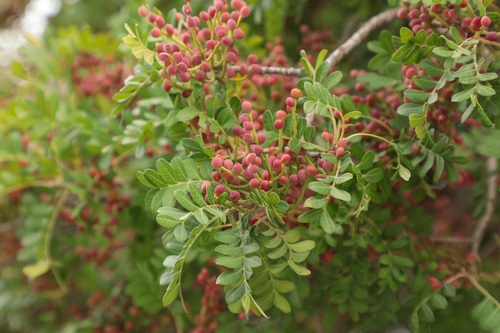
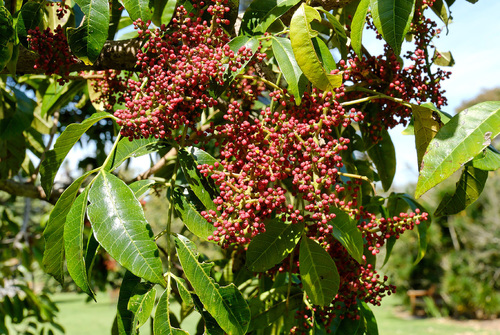
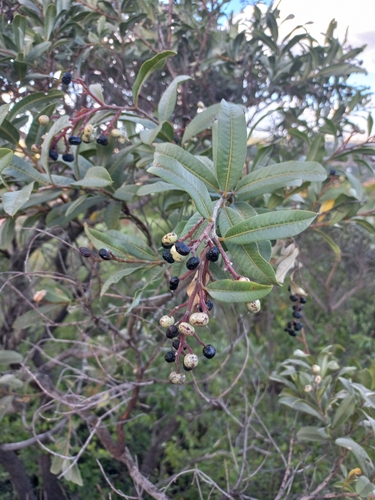
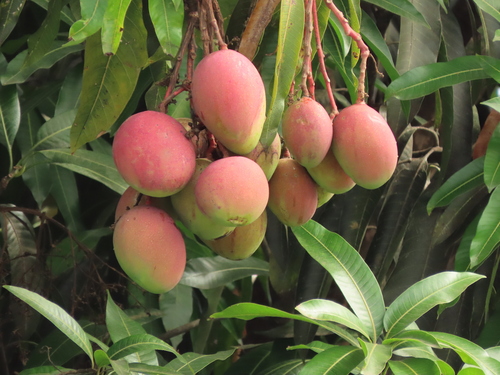
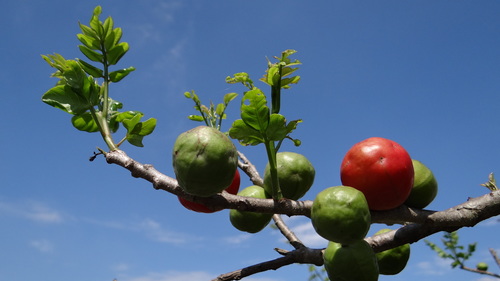
Spondias tuberosa Arruda, commonly known as imbu, umbu, or Brazil plum, has Portuguese pronunciations [ũˈbu] and [ĩˈbu]. This plant species is native to northeast Brazil, where it grows wild in the Caatinga, a dry-land chaparral scrub habitat. It grows as a small tree that seldom reaches over 6 m in height, with an expansive crown that can grow up to 10 m in diameter. It produces round fruit that ranges from light yellow to red in color, typically measuring 2–4 cm across. The fruit can vary in size anywhere from as small as a cherry to as large as a lemon. When ripe, the fruit has a smooth, leathery shell that is green or yellow. The fruit's flesh is soft, juicy, succulent, sweet, flavorful, and has a distinct aroma. A large dark pit is hidden within the soft flesh of the fruit. This tree is an important resource for one of the driest regions of Brazil, where local agriculture centers on corn, beans, and palma. Imbu fruit is collected by hand gently, as it is easily damaged; harvested fruits are placed in baskets and bags during collection. In the past, fruits were also collected by beating tree branches with long poles, a practice that negatively impacted the fruit's flavor.