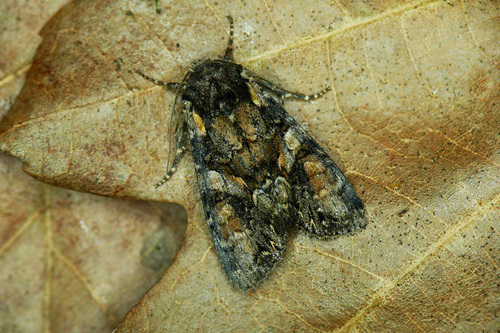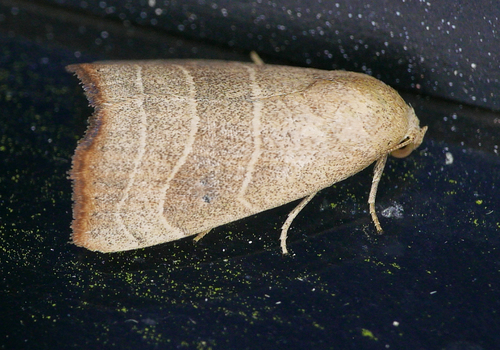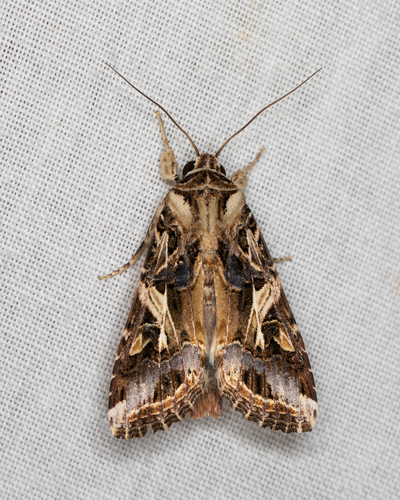
About Spodoptera litura (Fabricius, 1775)
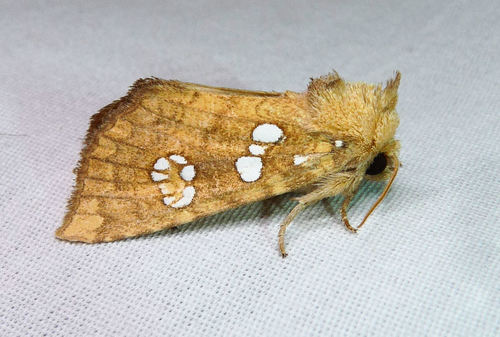
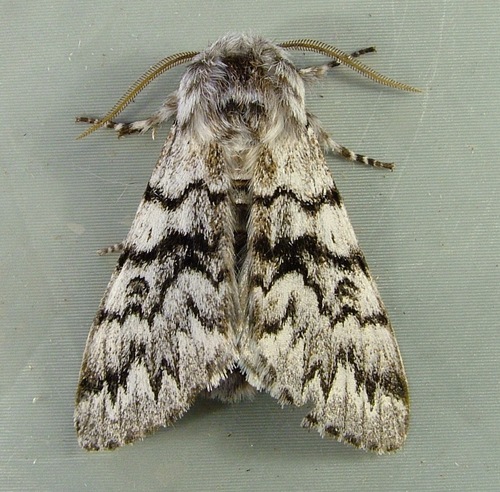
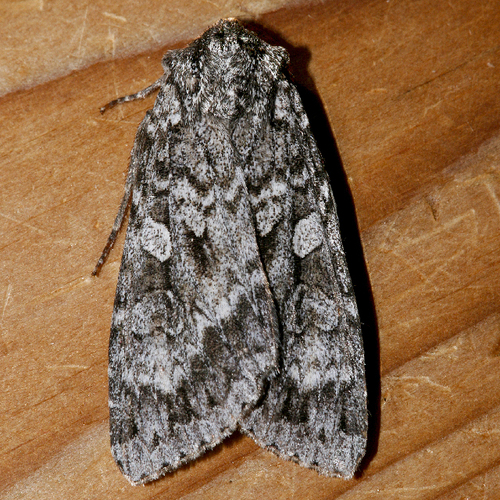
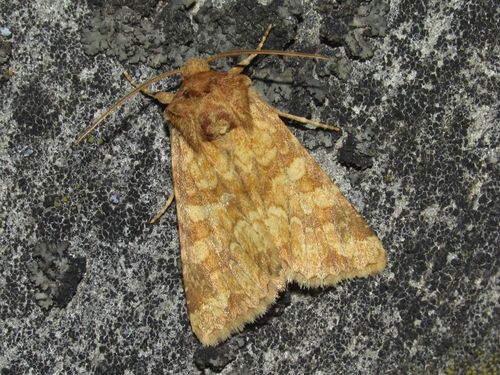
Spodoptera litura, first described in 1775 by Fabricius, shows slight but clear morphological differences between males and females that make the two sexes easy to tell apart. Male forewings measure 14–17 millimetres (1⁄2–5⁄8 in) long, while female forewings are slightly larger, at 15–18 millimetres (5⁄8–3⁄4 in). The orbicular spot on the forewing is also more distinct in males. S. litura is most common in South Asia. Its natural range extends from the Oriental and Australasian regions into parts of the Palearctic region, and the species has widespread populations in countries including China, Indonesia, India, Japan, and Malaysia. Its range has expanded into non-native regions via international trade; eggs, larvae, and pupae can be carried in transported soil, flowers, or vegetation, and pupae in particular can travel long distances without being crushed, thanks to their relatively long pupation period. S. litura is a general herbivore that lives on a wide variety of plants. The lowest temperature it can tolerate is 10 °C (50 °F), and the highest is 37 °C (99 °F), making it well adapted to both tropical and temperate climate regions. As caterpillars, S. litura can only move short distances, but adult moths can fly up to 1.5 kilometres (0.93 mi) over a total duration of 4 hours. This ability allows them to disperse to new habitats and different host plants when food sources are used up. While the total length of the S. litura life cycle varies slightly across regions, a typical population completes 12 generations per year. Each generation lasts approximately one month, with small variations driven by temperature: life cycles in winter tend to last slightly more than a month, while life cycles in summer tend to last less than a full month. Macronutrient intake regulation differs between male and female S. litura. When given two nutritionally complementary diet choices, one high in protein and one high in carbohydrates, females consume more protein than males, while there is no difference in carbohydrate consumption between the sexes. The way the two sexes use macronutrients in the body also differs. Females are very efficient at converting consumed protein into body growth and mass, which meets the biological requirements for egg production. Males, by contrast, are more efficient at storing lipid from ingested carbohydrates. This aligns with the mating-related movement patterns of the species: males typically travel to find females during mating season, so lipid stores are thought to act as energy reserves for this travel.