About Spinacia oleracea L.
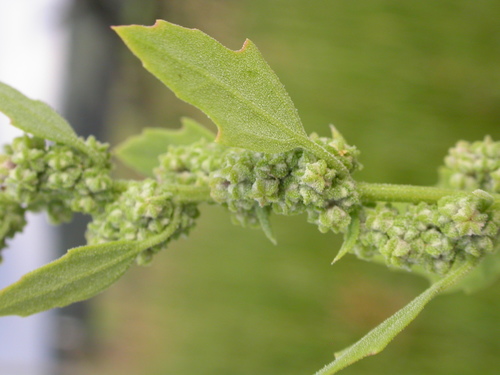
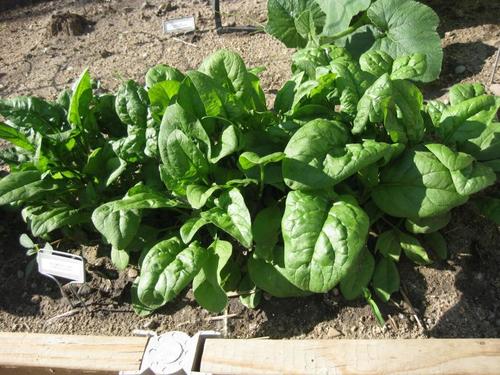
Spinacia oleracea L., commonly known as spinach, differs from most vegetable flowering plants because it is dioecious: individual plants produce either all female or all male flowers. The flowers of spinach are small, green, and pollinated by wind. Fresh spinach is marketed in three main forms: loose, bundled, or packaged fresh in bags. Fresh spinach loses a large portion of its nutritional value when stored for more than a few days. To extend its shelf life, fresh spinach may be packaged in regular air or nitrogen gas. Refrigeration slows this nutritional loss, extending shelf life to about eight days, but even under refrigeration, spinach loses most of its folate and carotenoid content over this period. For longer storage, spinach is preserved by canning, or by blanching, cooking, and freezing. Some packaged spinach is treated with radiation to eliminate harmful bacteria. The United States Food and Drug Administration approves irradiating spinach leaves up to an absorbed dose of 4.0 kilograys, and this treatment causes no or only a minor reduction in nutrient content. Spinach can have high levels of cadmium contamination, which depends on the soil and growing location of the crop. Because spinach naturally contains large amounts of vitamin K, people taking the anticoagulant medication warfarin (which works by inhibiting vitamin K activity) are advised to keep their consumption of spinach and other dark green leafy vegetables consistent and limited.