About Spilarctia lutea (Hufnagel, 1766)
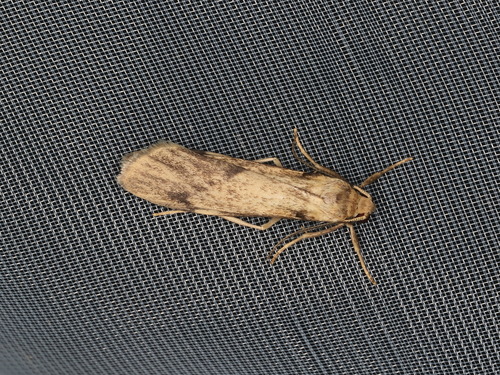
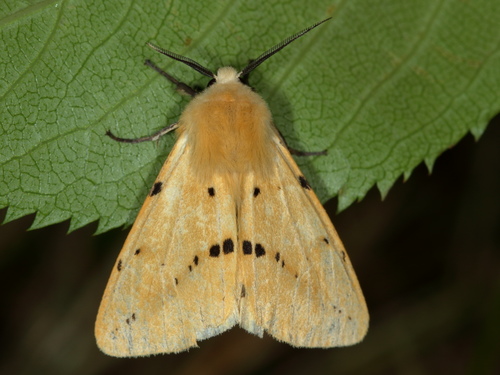
Spilarctia lutea, commonly known as the buff ermine, is a moth species in the family Erebidae. It is sometimes classified in the genus Spilosoma instead. This species was first described by Johann Siegfried Hufnagel in 1766. It occurs across the entire temperate belt of the Palearctic region, ranging south to northern Turkey, Georgia, Kazakhstan, southern Siberia (excluding Buryatia), eastern Mongolia, the Amur Region, China, Korea, and Japan. The wings of this species are buffish yellow; males are typically more yellow than females. Wings usually have a diagonal row of dark spots on the forewing, plus a small number of additional scattered spots on both the forewings and hindwings. The amount of black markings varies widely across individuals, ranging from nearly spotless specimens to largely black melanic forms. The wingspan of this moth measures 34–42 mm. In the British Isles, the adult species flies from May to July; this flight period may differ in other parts of its range. Adults are attracted to light. The larvae are pale brown and very hairy. Larvae are polyphagous, feeding on a wide variety of trees, shrubs, and herbaceous plants. This species overwinters in the pupal stage. Recorded larval food plants include: