About Sophora microphylla Aiton
Sophora microphylla, commonly known as weeping kōwhai, small-leaved kōwhai, and sometimes South Island kōwhai, is a species of flowering tree in the Fabaceae family, native to New Zealand. This name South Island kōwhai is misleading, as the species is widely distributed across New Zealand’s main islands. It is the most widespread of the eight recognized New Zealand kōwhai (New Zealand Sophora) species.
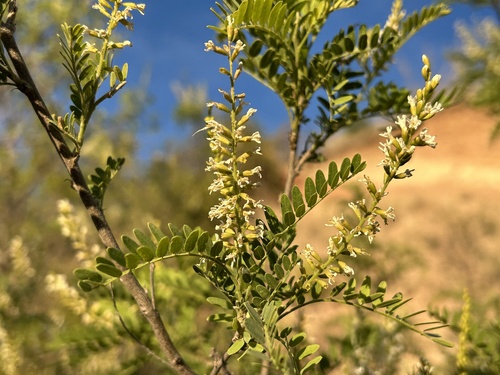
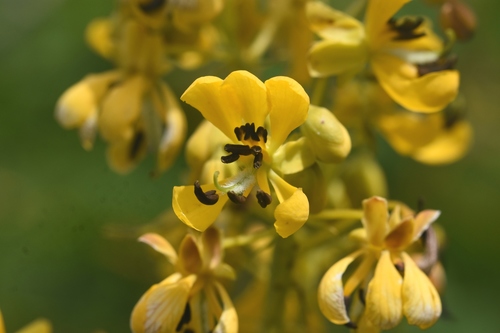
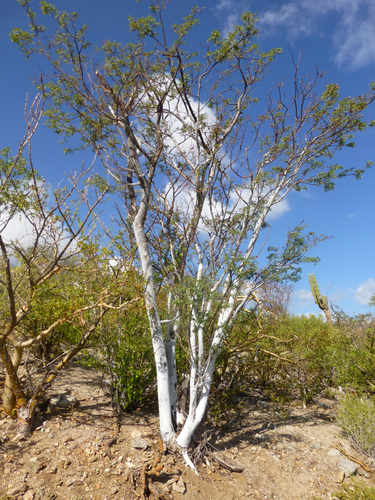
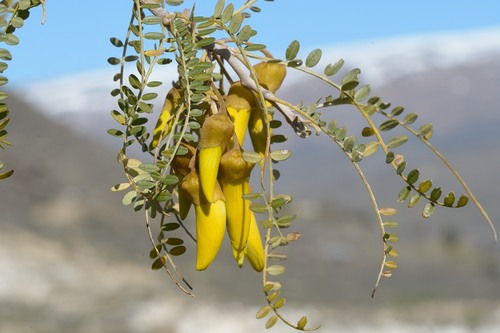
It grows as an evergreen shrub or small tree reaching 8 meters (26 feet) in both height and width. Each leaf grows to 10 cm (4 in) long, and holds up to 40 pairs of shiny oval leaflets. Its leaflets typically measure 3–6 mm long by 2–5 mm wide, smaller than the leaflets of the well-known related species Sophora tetraptera (large-leaved kōwhai); its flowers also measure 1.8–5.0 cm long, smaller than those of S. tetraptera. The specific epithet microphylla translates to 'small-leaved', referencing this trait. Young S. microphylla plants have a divaricating, bushy growth form with many interlacing branches; this characteristic habit gradually disappears as the tree matures.
While S. microphylla occurs throughout all of New Zealand’s main islands, it is scarce in parts of Northland and in parts of the eastern North Island, ranging from East Cape south to northern Wairarapa. The cultivar Sun King 'Hilsop' has received the Royal Horticultural Society's Award of Garden Merit.
In ecological terms, S. microphylla is one of only three known native New Zealand species that act as a host for the native longhorn beetle Coptomma variegatum. The nectar of this plant is toxic to honeybees.