About Solanum violaceum Ortega
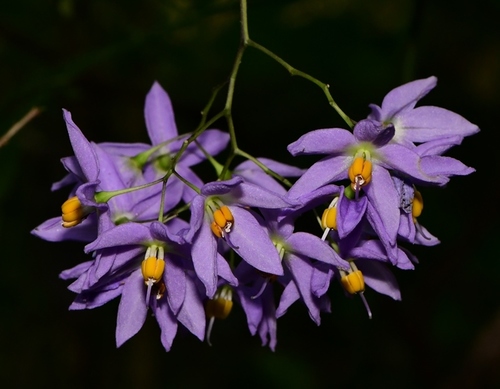
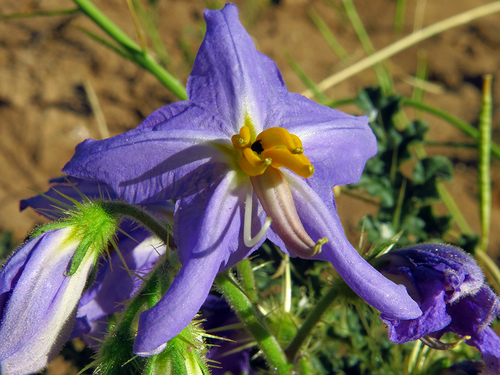
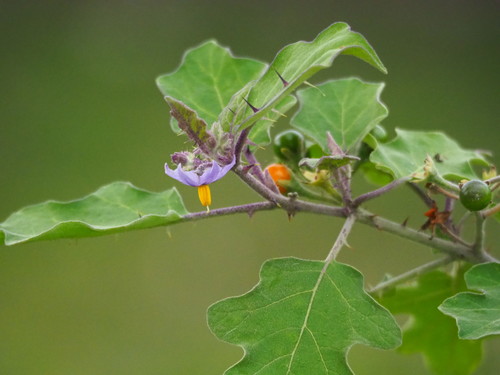
Solanum violaceum Ortega is a flowering plant in the Solanaceae family, found in China at elevations between 100 and 2700 meters. Many species in the Solanum genus, which belongs to the Solanaceae family, are widely used as vegetables and fruits. Solanum violaceum has been used in a variety of traditional medicinal treatments for conditions including asthma, dry cough, catarrh, colic, flatulence, worms, and fever. Different parts of this plant—roots, fruits, and seeds—are used for distinct treatments. Roots act as a digestive, carminative, and astringent for the bowels, and are also used as a cardiac tonic, expectorant, and aphrodisiac. Fruits are used to treat asthma, dry cough, catarrh, colic, flatulence, worm infections, and fever. Fruits are also used to relieve cough, alleviate toothache, and applied topically to treat skin diseases. Seeds are most often used to treat gonorrhea and dysuria. The indigenous Garo people of Bangladesh mix the seeds of Solanum violaceum with liquor to increase the liquor’s intoxicating effect. The root extract of this plant can also be used to treat obesity-related conditions.