About Solanum seaforthianum Andrews
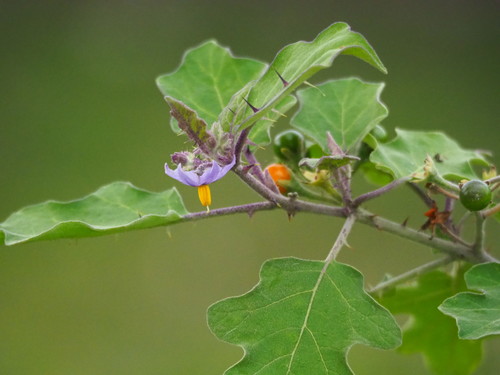
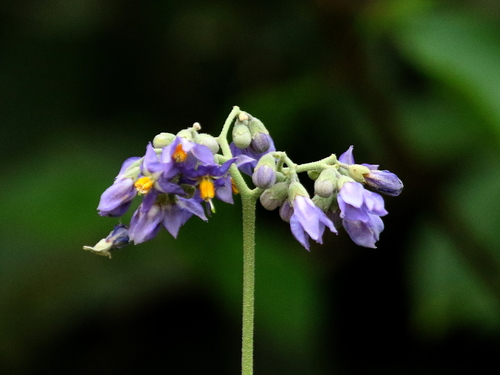
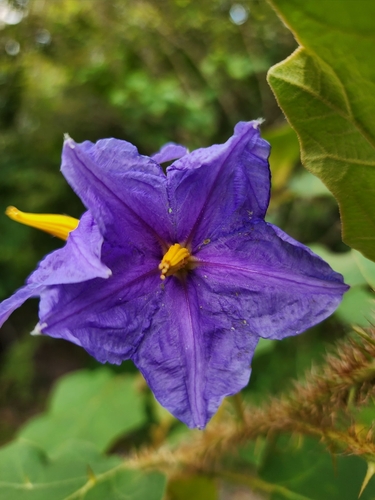
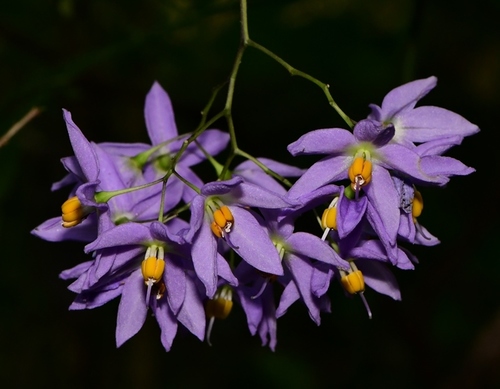
Solanum seaforthianum, commonly known as Brazilian nightshade, is a flowering evergreen vine in the Solanaceae family. It is native to tropical South America. As a member of the Solanum genus, it is related to crop plants like tomato and potato. This vine produces clusters of four to seven leaves, and can climb to a height of 6 meters (20 feet) when it has sufficient growing space. It blooms from mid to late summer, bearing clusters of star-shaped purple inflorescences. After blooming, it produces scarlet berries that are about the size of a marble. The plant is highly resistant to heat, but cannot tolerate frost. It contains modest amounts of several tropane alkaloids: atropine, scopolamine, and hyoscyamine, so it is classified as mildly toxic and not fit for human consumption. Extracts and fractions of S. seaforthianum have shown promising molluscicidal and schistosomicidal activities, which are linked to the plant's glycoalkaloid content. This species has become widely naturalized outside of its native range. It is an invasive species in Australia, Africa, Indochina, the Pacific Islands, and India, where it chokes out native vegetation and poisons livestock.